❌ Not for Human Consumption
●
✅ For Research Use Only
●
All products are intended strictly for laboratory research purposes only
●
❌ Not for Human Consumption
●
✅ For Research Use Only
●
All products are intended strictly for laboratory research purposes only
●

Lyophilized Vs. Reconstituted: Long-Term Storage Stability Studies For GLP-1 Peptides

Written By: Gary Hite, Research Content Writer
Reviewed By: Natalie Kunsman, M.D., Board-Certified Physician
Last Reviewed: August 26, 2026
Research Use Only. The compounds and information discussed in this article are intended strictly for laboratory research and educational purposes. They are not for human consumption, are not drugs, and are not approved for diagnostic, therapeutic, or clinical use of any kind. This content is written for licensed researchers, laboratory professionals, and academic institutions.
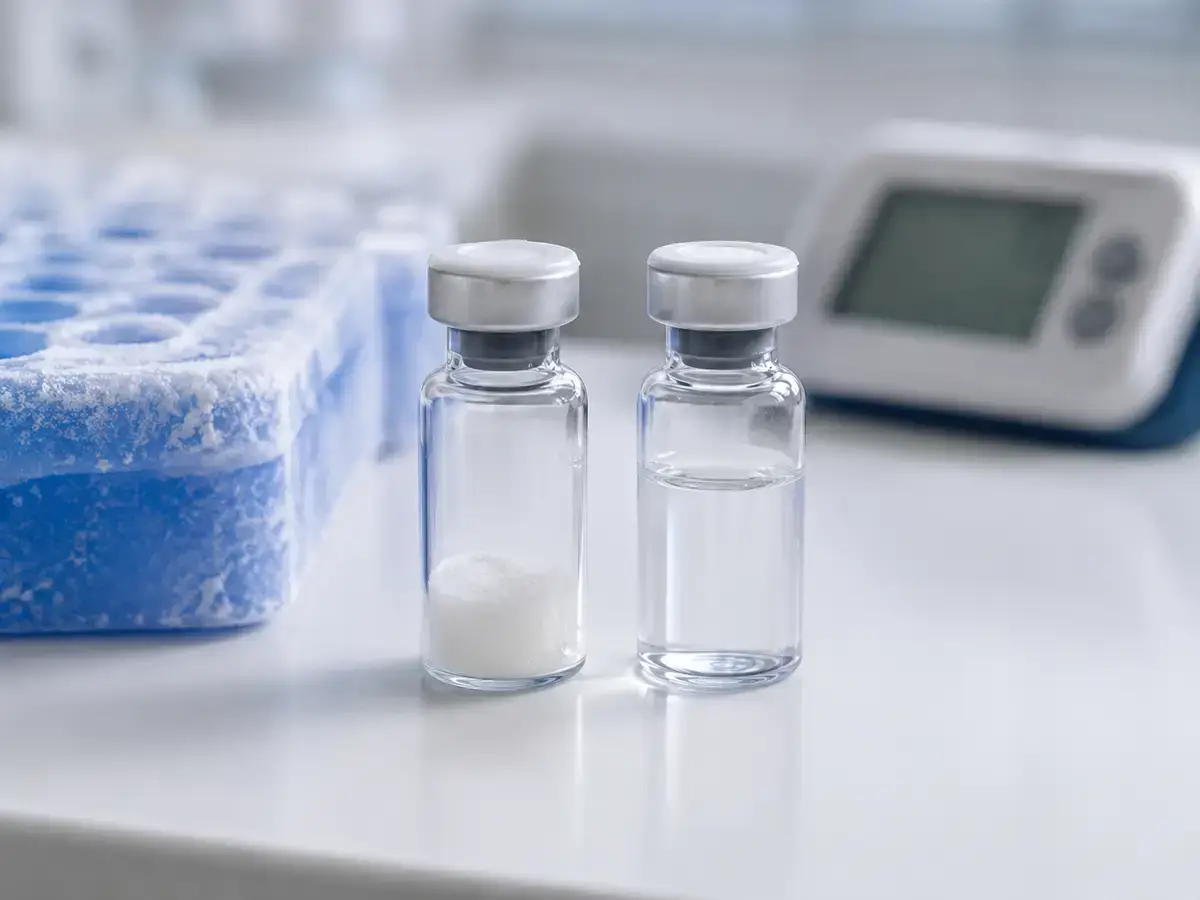
For laboratories working with GLP-1 receptor agonist peptides, maintaining sample integrity over time is one of the most important variables in producing reliable, reproducible data. GLP-1 peptides are studied widely in biochemistry, receptor pharmacology, and analytical method development, and the way a peptide is stored has a direct effect on its molecular stability. Two storage states dominate research workflows: the lyophilized (freeze-dried) powder form and the reconstituted (dissolved) solution form. Understanding how each form behaves during long-term storage helps researchers preserve compound quality and protect the validity of their experiments.
This article compares the long-term storage stability of lyophilized and reconstituted GLP-1 research peptides, reviews the environmental factors that drive degradation, and outlines analytical approaches used to monitor stability in a controlled laboratory setting.
Understanding Lyophilization in Peptide Research
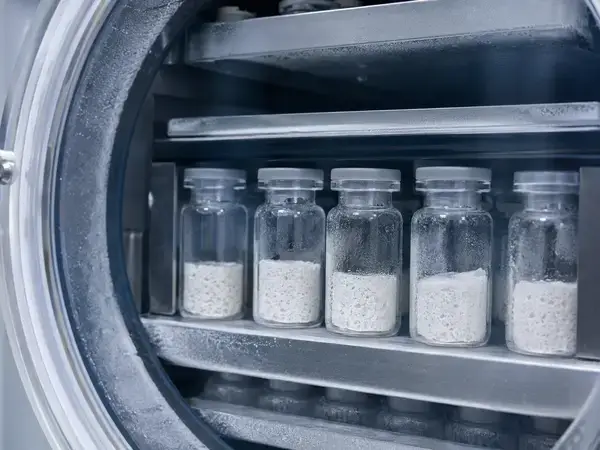
Lyophilization, commonly called freeze-drying, is a dehydration process that removes water from a frozen sample through sublimation under vacuum. The result is a dry, porous powder, often described as a cake, that holds the peptide in a low-moisture state.
Water is one of the primary drivers of chemical degradation in peptides. By removing it, lyophilization slows the reactions that break down peptide structures, which is why freeze-dried material is the standard format for long-term storage and shipping of research peptides. The dry state limits molecular mobility and reduces the rate of hydrolysis, deamidation, and other water-dependent processes.
Why Storage Stability Matters for Research Integrity
In any analytical or biochemical study, the starting material must be well characterized and consistent. If a GLP-1 peptide degrades during storage, the consequences can include reduced purity, altered molecular mass, formation of aggregates, and the appearance of degradation byproducts. Each of these can introduce error into assays, skew quantitative results, and undermine reproducibility.
Stability studies, in which a sample is monitored over time under defined conditions, allow researchers to establish how long a peptide remains within acceptable purity and identity specifications. These studies inform decisions about storage temperature, container selection, and the practical distinction between working stocks and long-term reserves.
Lyophilized GLP-1 Peptides: Stability Characteristics
The lyophilized form is generally the most stable state for long-term storage of GLP-1 research peptides. Key characteristics include:
Reduced degradation kinetics. With minimal water present, hydrolytic and other moisture-driven reactions proceed slowly, which preserves the peptide sequence over extended periods.
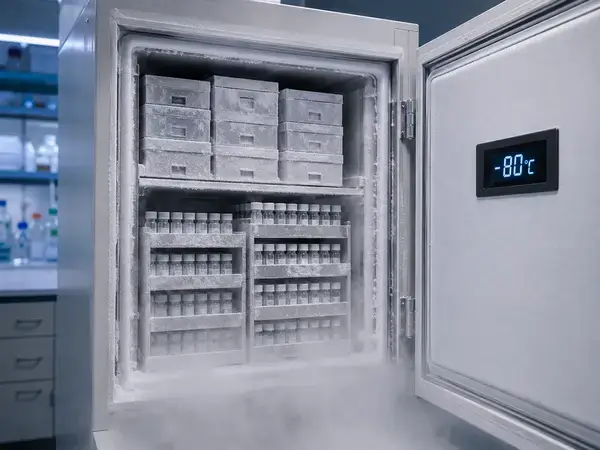
Favorable cold-storage performance. Freeze-dried peptides held at low temperatures, commonly at -20°C and often at -80°C for extended reserves, can remain within specification for many months and, in many cases, longer.
Sensitivity to moisture and air. Although the dry cake is stable, exposure to atmospheric humidity can reintroduce water and accelerate degradation. For this reason, lyophilized peptides are typically sealed, protected from light, and allowed to reach room temperature before opening to limit condensation.
Convenient handling. The dry format simplifies shipping and storage logistics and provides a stable reference point before a researcher prepares a working solution.
Reconstituted GLP-1 Peptides: Stability Considerations
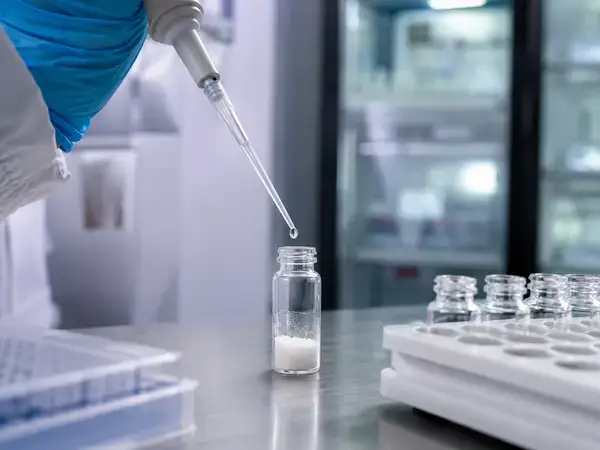
Once a lyophilized peptide is dissolved into an appropriate aqueous solvent for laboratory analysis, it enters a far more dynamic chemical environment. Reconstituted GLP-1 peptides are inherently less stable than their freeze-dried counterparts. Important considerations include:
Faster degradation in solution. In an aqueous environment, peptides become more susceptible to hydrolysis, oxidation, deamidation, and aggregation. These processes can change purity and molecular identity over comparatively short timeframes.
Shorter usable window. Reconstituted research stocks are generally intended for near-term laboratory use. Refrigerated storage, commonly at 2°C to 8°C, slows degradation, but solutions are typically best used within a limited number of days to a few weeks depending on the peptide and the conditions.
Surface adsorption. Peptides in dilute solution can adsorb to the walls of vials and pipette tips, which lowers the effective concentration. Low-binding labware and carrier additives are sometimes used in research protocols to reduce this effect.
Contamination risk. Aqueous solutions are vulnerable to microbial growth, so sterile technique and clean labware are important for preserving sample integrity during handling.
Lyophilized vs. Reconstituted: A Comparative Overview
| Attribute | Lyophilized (Freeze-Dried) | Reconstituted (Solution) |
| Relative long-term stability | High | Lower |
| Typical storage temperature | -20°C to -80°C | 2°C to 8°C, with freezing of aliquots for longer holds |
| Primary degradation drivers | Moisture exposure, heat, light | Hydrolysis, oxidation, aggregation, adsorption |
| Practical storage horizon | Months or longer under cold, sealed conditions | Days to weeks for working stocks |
| Best research role | Long-term reserve and shipping format | Active working solution for assays |
Environmental Factors That Influence Peptide Stability
Several variables affect how quickly a GLP-1 research peptide degrades, regardless of its physical form:
Temperature. Lower temperatures slow chemical reactions. Cold storage is central to preserving both lyophilized and reconstituted material, with colder conditions generally favoring longer retention of purity.
Light exposure. Certain amino acid residues are photosensitive, and prolonged light exposure can promote oxidation. Storing peptides protected from light is a common laboratory precaution.
Moisture and humidity. For lyophilized material, reintroduced water is a leading cause of accelerated degradation. Controlling humidity and keeping containers sealed helps maintain the dry state.
pH and solvent composition. For reconstituted peptides, the choice of solvent and the resulting pH can influence stability. Some peptides are more stable within specific pH ranges, which is why solvent selection is an experimental consideration.
Freeze-thaw cycles. Repeated freezing and thawing can damage peptides in solution and promote aggregation. Dividing reconstituted material into single-use aliquots before freezing helps minimize the number of cycles any one portion experiences.
Container and material selection. The vial material and closure can affect adsorption and protection from air and light. Appropriate, well-sealed containers support stability for both forms.
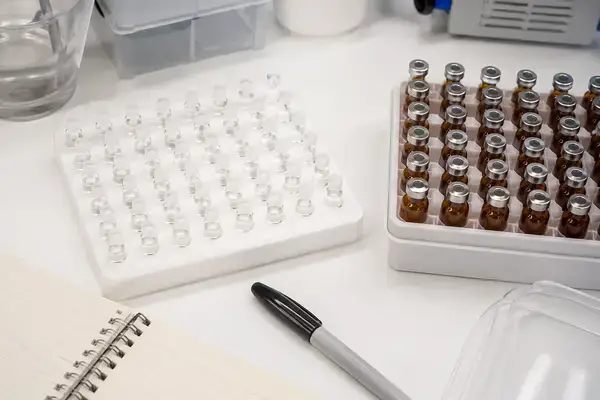
Best Practices for Long-Term Storage in the Laboratory
Research groups commonly follow a set of general practices to preserve GLP-1 peptide quality over time:
- Store the lyophilized reserve cold and sealed, protected from light and moisture, and treat it as the long-term source material.
- Reconstitute only the quantity needed for current experiments, keeping the bulk of the compound in its more stable freeze-dried state.
- Aliquot reconstituted solutions into single-use portions before freezing, so working stock can be drawn without repeatedly thawing the entire volume.
- Allow sealed lyophilized vials to equilibrate to room temperature before opening, which limits condensation on cold surfaces.
- Label all samples with preparation dates and storage conditions to support accurate tracking and stability monitoring.
- Document storage temperatures and handling steps as part of good laboratory record-keeping, which strengthens reproducibility.
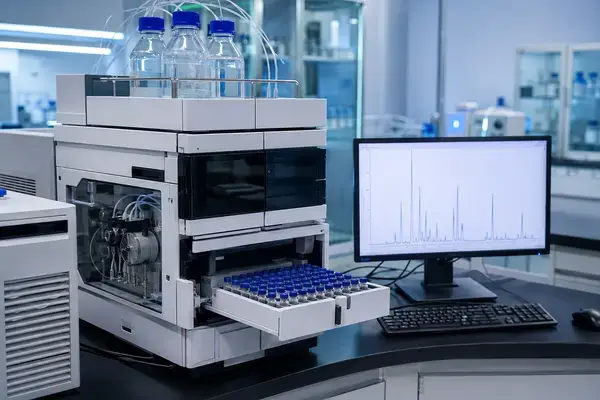
Analytical Methods for Assessing Stability
To evaluate whether a GLP-1 peptide remains within acceptable specifications during storage, researchers rely on established analytical techniques:
Reverse-phase high-performance liquid chromatography (RP-HPLC) is widely used to measure purity and to detect the appearance of degradation peaks over time.
Mass spectrometry, including liquid chromatography mass spectrometry (LC-MS) and MALDI time-of-flight (MALDI-TOF), confirms molecular identity and mass and can reveal modifications such as oxidation or truncation.
Size-exclusion chromatography (SEC) helps detect aggregation by separating species according to molecular size.
Peptide mapping, which combines enzymatic digestion with chromatographic or mass spectrometric analysis, provides detailed sequence-level confirmation.
Ultraviolet spectroscopy supports concentration measurement and can complement purity assessments.
Used together across defined time points, these methods form the backbone of a structured stability study and give researchers an objective basis for storage decisions.
Conclusion
Choosing the right storage state is a decision every research team should make deliberately, not by default. Keep your GLP-1 peptides lyophilized whenever long-term preservation is the goal, store that reserve cold and sealed, and treat it as your protected source material. Reconstitute only what an experiment requires, aliquot those solutions into single-use portions, and freeze them to limit freeze-thaw exposure and preserve concentration. Control the variables within your reach, because temperature, light, moisture, and solvent selection all shape how a peptide holds up over time. Pair these handling practices with structured analytical monitoring, using techniques such as RP-HPLC, mass spectrometry, and size-exclusion chromatography to verify purity and identity across defined time points. When you build these steps into a documented stability protocol, you protect compound quality, strengthen reproducibility, and generate data you can trust. Apply these principles consistently, and your storage strategy becomes a dependable foundation for rigorous research.
FAQs
What is the best way to store lyophilized GLP-1 peptides for long-term research?
Keep the lyophilized powder cold, sealed, and shielded from light and moisture. Hold long-term reserves at -20°C, and move to -80°C when you need to preserve material for extended periods. Before opening a chilled vial, let it warm to room temperature to prevent condensation, which can reintroduce the moisture that drives degradation. Treat this dry reserve as your protected source material and draw from it only when preparing working solutions.
How should I reconstitute and store a GLP-1 peptide solution to maintain stability?
Reconstitute only the amount your experiment requires, using an appropriate aqueous solvent for laboratory analysis. Store the solution refrigerated at 2°C to 8°C for near-term work, and divide larger volumes into single-use aliquots that you freeze separately. This approach keeps the bulk of your compound in its more stable freeze-dried state while giving you ready working stock without repeated thawing.
How can I tell whether a research peptide has degraded during storage?
Run analytical checks rather than relying on appearance alone. Use RP-HPLC to measure purity and flag new degradation peaks, apply mass spectrometry to confirm molecular identity and detect modifications such as oxidation, and use size-exclusion chromatography to identify aggregation. Comparing results across defined time points gives you an objective record of how the peptide is holding up.
How do I minimize freeze-thaw damage to reconstituted peptides?
Plan your aliquots before you freeze. Portion the solution into single-use volumes so each tube is thawed only once, then return unused material to storage promptly. Avoid repeatedly freezing and thawing a single stock, since each cycle can promote aggregation and lower sample quality.
Which factors most affect GLP-1 peptide stability, and how do I control them?
Focus on temperature, light, moisture, solvent composition, and freeze-thaw exposure. Store material cold, protect it from light, keep lyophilized vials sealed against humidity, select a solvent suited to your protocol, and limit freeze-thaw cycles through careful aliquoting. Documenting these conditions supports reproducibility and helps you track stability over time.