❌ Not for Human Consumption
●
✅ For Research Use Only
●
All products are intended strictly for laboratory research purposes only
●
❌ Not for Human Consumption
●
✅ For Research Use Only
●
All products are intended strictly for laboratory research purposes only
●

GLP-3R Reconstitution Guide: Research-Grade Peptide Protocols

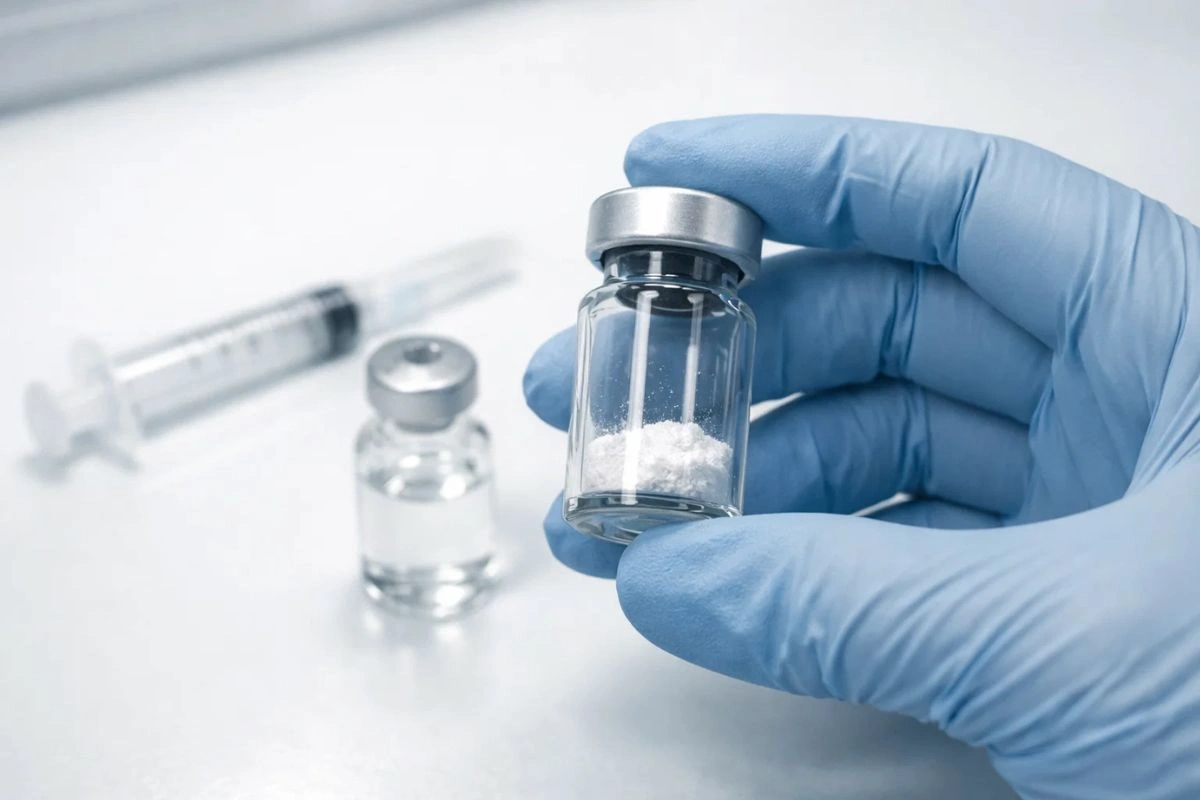
Peptide integrity is the backbone of credible research outcomes. When working with GLP-3R, a research-grade peptide compound, the reconstitution process directly influences the reliability, reproducibility, and validity of every downstream experiment. Poor reconstitution practices introduce variables that compromise data sets and waste valuable research materials.
This guide provides professional researchers, laboratory technicians, and academic investigators with a structured, step-by-step reconstitution protocol designed to preserve the structural integrity and bioactivity of GLP-3R in controlled research settings.
GLP-3R is intended exclusively for laboratory research applications. It is not approved, intended, or marketed for human consumption or therapeutic use of any kind.
DISCLAIMER: GLP-3R is sold strictly for research purposes only. It is not intended for human consumption, veterinary use, or any clinical application. This content is provided for educational and informational purposes for qualified researchers and academic professionals. No statements in this article constitute medical advice or therapeutic claims of any kind. By accessing this content, you acknowledge that GLP-3R is a research compound intended solely for in vitro and laboratory investigation.
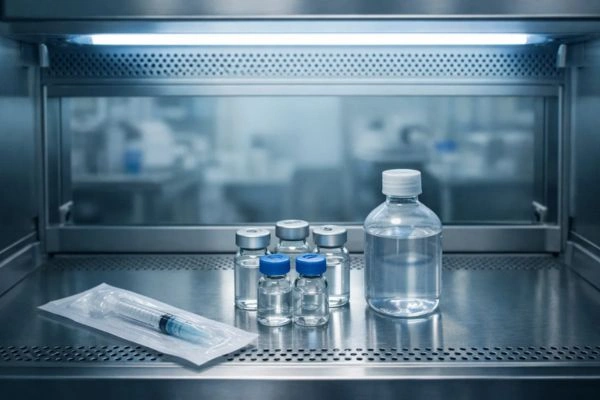
Pre-Reconstitution Checklist: Setting the Stage for Accuracy
Before initiating the reconstitution of GLP-3R, verify that your laboratory environment and materials meet the following baseline standards. Cutting corners at this stage introduces contamination risks and compromises peptide stability.
Required Materials:
Bacteriostatic water (BAC water) or sterile water for research applications, appropriately sized sterile syringes, alcohol swabs for vial sanitation, a clean and controlled workspace free of contaminants, and the lyophilized GLP-3R peptide vial stored per manufacturer specifications.
Environmental Conditions:
Conduct all reconstitution steps within a clean bench or laminar flow hood when possible. Room temperature should remain stable, and direct sunlight or UV exposure to the peptide vial must be avoided at all times. Temperature fluctuations during this process degrade peptide bonds and reduce research efficacy.
GLP-3R is a research compound only. All handling must comply with institutional laboratory safety guidelines and applicable regulations.
Step-by-Step GLP-3R Reconstitution Protocol
Follow this protocol precisely to maintain the analytical quality of your GLP-3R preparation. Each step is designed to minimize mechanical stress, contamination, and degradation of the peptide chain.
Step 1: Allow the Vial to Reach Room Temperature
Remove the GLP-3R vial from cold storage (typically kept between 2 and 8 degrees Celsius or frozen at negative 20 degrees Celsius) and allow it to equilibrate to room temperature for approximately 15 to 20 minutes. Do not attempt to accelerate this process through external heating. Rapid temperature changes cause condensation inside the vial, which introduces unwanted moisture to the lyophilized peptide before controlled reconstitution begins.
Step 2: Sanitize All Contact Surfaces
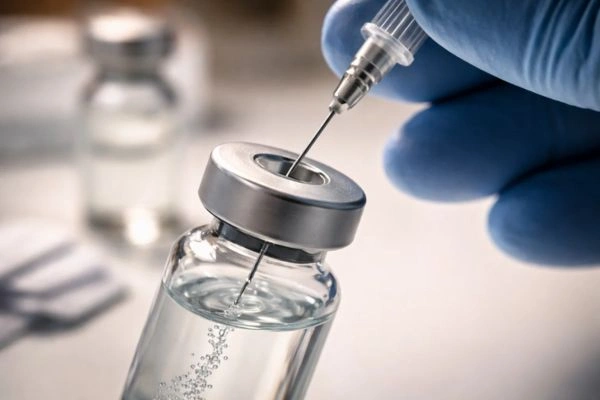
Wipe the rubber stopper of the GLP-3R vial with an alcohol swab. Similarly, sanitize the tip of the syringe and any other instrument that will contact the vial contents or the solvent. This step is non-negotiable. Microbial contamination alters experimental outcomes and can degrade the peptide compound.
Step 3: Prepare the Appropriate Solvent Volume
Draw the desired volume of bacteriostatic water (or sterile water, depending on research protocol requirements) into a sterile syringe. The volume chosen depends on the target concentration required for your specific assay or experiment. Refer to your protocol documentation to calculate the correct solvent-to-peptide ratio.
For example, if the GLP-3R vial contains 5 mg of lyophilized peptide and the target concentration is 2.5 mg/mL, draw 2 mL of bacteriostatic water into the syringe.
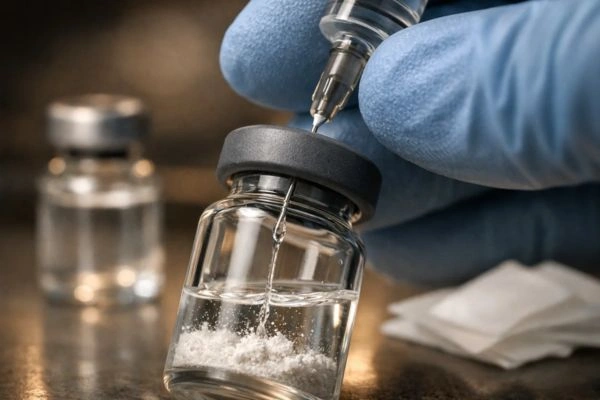
Step 4: Introduce the Solvent to the Vial
Insert the syringe needle through the rubber stopper of the GLP-3R vial. Dispense the solvent slowly, directing the stream against the inner glass wall of the vial rather than directly onto the lyophilized peptide cake. Forceful injection or direct impact on the peptide cake can cause mechanical shearing of peptide bonds, reducing the viability of the reconstituted solution.
Step 5: Allow the Peptide to Dissolve Naturally
After adding the solvent, do not shake, vortex, or agitate the vial aggressively. Instead, gently roll the vial between your palms or tilt it at a slight angle and rotate slowly. Allow the peptide to dissolve gradually. Most research-grade peptides, including GLP-3R, dissolve fully within 3 to 10 minutes using this method. If visible particles remain after 10 minutes, continue gentle rolling. Avoid introducing air bubbles through vigorous mixing.
Step 6: Inspect the Solution
Once the lyophilized material has fully dissolved, visually inspect the reconstituted GLP-3R solution. It should appear clear or slightly translucent, free of visible particulates, fibers, or cloudiness. A properly reconstituted solution indicates that the peptide has maintained its structural form during the dissolution process.
Any solution showing discoloration, heavy turbidity, or persistent particulates should not be used in experiments, as these indicators suggest degradation or contamination.
Post-Reconstitution Storage Guidelines
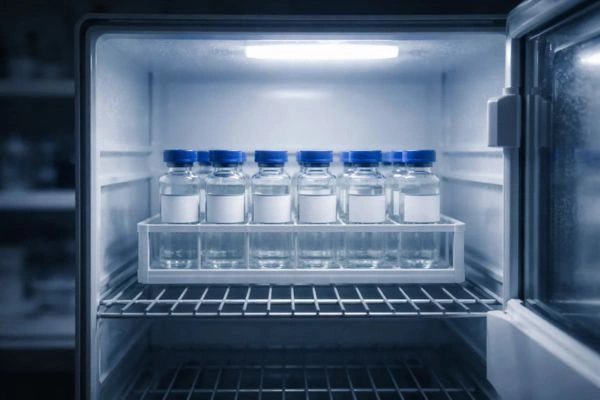
Correct storage of reconstituted GLP-3R is critical to maintaining peptide stability for the duration of your research timeline. Improper storage accelerates degradation and introduces inconsistencies across experimental time points.
- Short-Term Storage (Up to 30 Days): Store reconstituted GLP-3R at 2 to 8 degrees Celsius in the original sealed vial. Minimize the number of needle punctures through the stopper to reduce contamination risk. Bacteriostatic water provides antimicrobial properties that extend the usable window compared to sterile water.
- Long-Term Storage (Beyond 30 Days): For longer research timelines, aliquot the reconstituted GLP-3R into smaller sterile vials immediately after reconstitution. Store aliquots at – 20 degrees Celsius. This approach reduces the number of freeze-thaw cycles each portion undergoes, which preserves peptide stability. Avoid repeated freezing and thawing of the same vial, as each cycle promotes aggregation and denaturation.
- Light Sensitivity: Store all GLP-3R preparations away from direct light. Amber vials or foil wrapping provide an additional layer of protection against photodegradation.
GLP-3R must be stored and handled according to institutional laboratory protocols. This compound is designated for research use only and is not intended for human or animal consumption.
Common Reconstitution Errors to Avoid
Even experienced researchers occasionally encounter reconstitution issues. Recognizing and preventing these common mistakes protects both your research investment and data integrity.
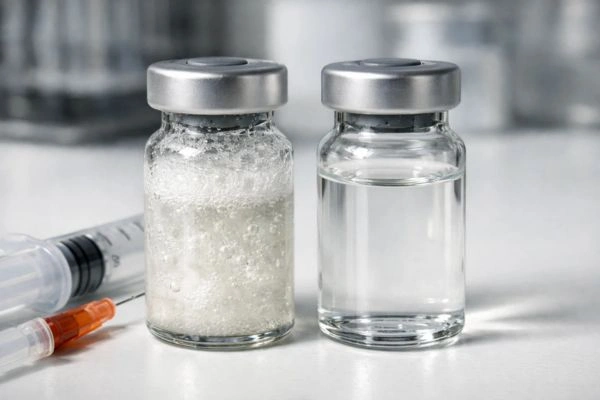
- Injecting solvent too rapidly. High-velocity injection disrupts the lyophilized matrix and can shear peptide chains. Always dispense slowly along the vial wall.
- Shaking or vortexing the vial. Vigorous agitation introduces foam and air bubbles, which create oxidative interfaces that degrade peptide bonds over time.
- Using incorrect solvent types. Some research protocols may call for DMSO or acetic acid solutions rather than bacteriostatic water. Always verify solvent compatibility for GLP-3R with your specific assay requirements before reconstitution.
- Skipping the temperature equilibration step. Introducing cold solvent to a cold peptide, or warm solvent to a cold peptide, creates thermal shock conditions that affect solubility and stability.
- Reusing syringes or needles. Cross-contamination between preparations invalidates experimental controls. Use a fresh, sterile syringe for every reconstitution event.
Calculating Reconstitution Concentrations for GLP-3R
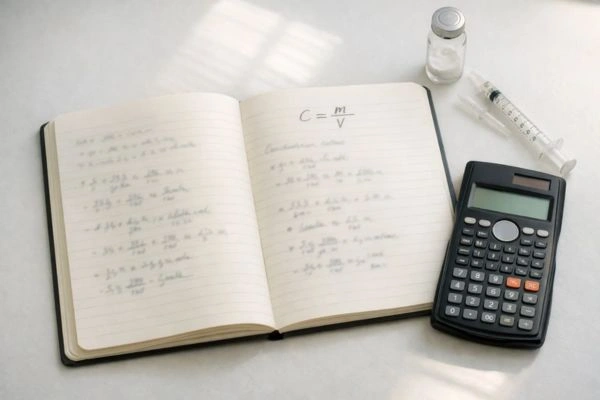
Accurate concentration calculations ensure that dosing in research models remains consistent and reproducible. Use the following straightforward formula:
Concentration (mg/mL) = Total Peptide Mass (mg) / Solvent Volume (mL)
Practical examples for GLP-3R reconstitution:
A 5 mg vial reconstituted with 1 mL of bacteriostatic water yields a concentration of 5 mg/mL. The same 5 mg vial reconstituted with 2 mL yields 2.5 mg/mL. A 10 mg vial reconstituted with 2 mL yields 5 mg/mL.
Select the concentration that aligns with your experimental protocol’s required parameters. Document the exact reconstitution volume and resulting concentration in your laboratory notebook for each preparation event to ensure traceability.
Quality Assurance Considerations for GLP-3R Research
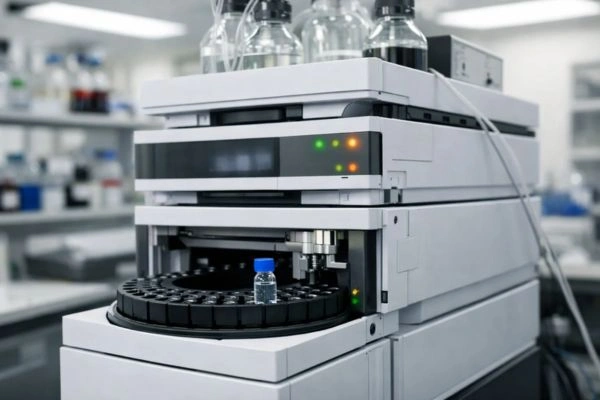
When sourcing GLP-3R for research, verify that the supplier provides documentation supporting the purity, identity, and quality of the peptide. Key quality indicators include a Certificate of Analysis (COA) with each lot, third-party purity verification (typically 98% or higher for research-grade peptides), High-Performance Liquid Chromatography (HPLC) data confirming identity and purity, and Mass Spectrometry (MS) data confirming molecular weight and structural integrity.
These documents serve as foundational references for validating the compound used in your experiments and are critical for publication-quality research documentation.
Final Notes for Researchers
GLP-3R reconstitution is a straightforward process when the correct protocols are followed consistently. Precision at every stage protects the integrity of the peptide and, by extension, the validity of your research data.
Review your institutional guidelines, maintain detailed records of each preparation, and store reconstituted peptides according to the specifications outlined above. Consistent methodology yields consistent results.
Conclusion
Reconstitution is where your experiment’s reliability is either secured or compromised, treat it accordingly. Follow every step of this protocol without shortcuts: equilibrate your vial to room temperature, sanitize all contact surfaces, dispense solvent slowly against the vial wall, and allow the peptide to dissolve through gentle rotation only. Document your solvent volume, resulting concentration, and preparation date in your lab notebook every single time. Store reconstituted GLP-3R at 2–8°C for short-term use or aliquot immediately and freeze at -20°C for extended timelines. Inspect every solution before use, discard anything showing turbidity, discoloration, or persistent particulates. Verify your supplier’s COA, HPLC data, and mass spectrometry documentation before each new lot enters your workflow. Consistent reconstitution methodology eliminates an entire category of experimental variables. Control what you can control at the bench, and your downstream data will reflect that discipline.
DISCLAIMER: GLP-3R is sold strictly for research purposes only. It is not intended for human consumption, veterinary use, or any clinical application. This content is provided for educational and informational purposes for qualified researchers and academic professionals. No statements in this article constitute medical advice or therapeutic claims of any kind. By accessing this content, you acknowledge that GLP-3R is a research compound intended solely for in vitro and laboratory investigation.
Frequently Asked Questions
What is the best solvent to use when reconstituting GLP-3R for laboratory research?
Bacteriostatic water is the standard choice for most research applications because its antimicrobial properties extend the usable life of the reconstituted solution up to 30 days under refrigeration. However, certain assay protocols may require sterile water, DMSO, or dilute acetic acid solutions instead. Always check your specific experimental protocol’s solvent requirements before reconstitution, and confirm solvent compatibility with GLP-3R to avoid solubility issues or unintended peptide degradation.
How long can reconstituted GLP-3R be stored before it loses integrity?
When reconstituted with bacteriostatic water and stored at 2–8°C, GLP-3R remains usable for up to 30 days. For research timelines extending beyond that window, aliquot the solution into individual sterile vials immediately after reconstitution and store them at -20°C. Each freeze-thaw cycle promotes aggregation and denaturation, so size your aliquots to match single-use volumes required by your experimental protocol.
Why is it important to let the GLP-3R vial reach room temperature before adding solvent?
Introducing solvent into a cold vial creates thermal shock conditions that impair solubility and can damage peptide structure. Additionally, moving a cold vial into a warmer environment causes condensation to form inside, introducing uncontrolled moisture to the lyophilized powder before you begin reconstitution. Allow 15–20 minutes for full temperature equilibration. Do not use external heat sources to accelerate this step, patience here directly protects your compound’s bioactivity.
What should I do if the reconstituted GLP-3R solution appears cloudy or contains visible particles?
Stop and do not use that preparation in any experiment. Cloudiness, persistent particulates, or discoloration indicate peptide degradation, aggregation, or contamination, any of which will compromise your results. First, confirm you used the correct solvent type and volume. If the issue persists with a fresh reconstitution attempt following proper protocol, contact your supplier with the lot number and COA to investigate whether the batch itself may be compromised.
How do I calculate the correct solvent volume for my target GLP-3R concentration?
Use the formula: Solvent Volume (mL) = Total Peptide Mass (mg) ÷ Desired Concentration (mg/mL). For example, to achieve 2.5 mg/mL from a 5 mg vial, add 2 mL of solvent. To achieve 5 mg/mL from the same vial, add 1 mL. Select the concentration that matches your assay’s required parameters, and record the exact reconstitution volume, peptide mass, and resulting concentration in your laboratory notebook for every preparation to maintain full traceability across experiments.