❌ Not for Human Consumption
●
✅ For Research Use Only
●
All products are intended strictly for laboratory research purposes only
●
❌ Not for Human Consumption
●
✅ For Research Use Only
●
All products are intended strictly for laboratory research purposes only
●

Understanding Pre-Reconstituted Research Peptides: Benefits And Considerations For Laboratory Use


Pre-reconstituted research peptides are synthetic peptide compounds that have been dissolved into a verified, laboratory-ready liquid solution during manufacturing, eliminating the need for manual reconstitution by researchers before use. Unlike traditional lyophilized (freeze-dried) peptide powders that require careful dissolution in bacteriostatic water, sterile water, or buffered saline, pre-reconstituted formulations arrive with a standardized concentration, verified purity profile, and optimized stability already established under controlled conditions. This ready-to-use format is designed specifically for professional researchers and academic institutions conducting in vitro studies, including receptor binding assays, cell-based functional experiments, bioanalytical method development, and structure-activity relationship (SAR) investigations involving incretin pathway biology and GIP/GLP-1 dual receptor agonist pharmacology.
Pre-reconstituted peptides offer five primary advantages for laboratory settings: improved batch-to-batch reproducibility, reduced risk of handling and dilution errors, enhanced compound stability through optimized excipient formulation, streamlined experimental workflows, and greater accessibility for emerging research programs with limited peptide handling experience. Researchers evaluating these compounds should confirm that every batch includes a Certificate of Analysis (COA) with HPLC purity data, mass spectrometry identity confirmation, and verified concentration measurements from a supplier that maintains transparent quality assurance practices.
Disclaimer: All peptide compounds referenced in this article are intended strictly for in vitro research and laboratory use only. These products are not intended for human consumption, veterinary use, or any clinical application. No statements in this article have been evaluated by the Food and Drug Administration (FDA). Nothing contained herein should be interpreted as a medical claim, therapeutic recommendation, or encouragement of any off-label use. Professional researchers and qualified academic personnel should adhere to all applicable federal, state, and institutional regulations when procuring and handling research-grade peptides.
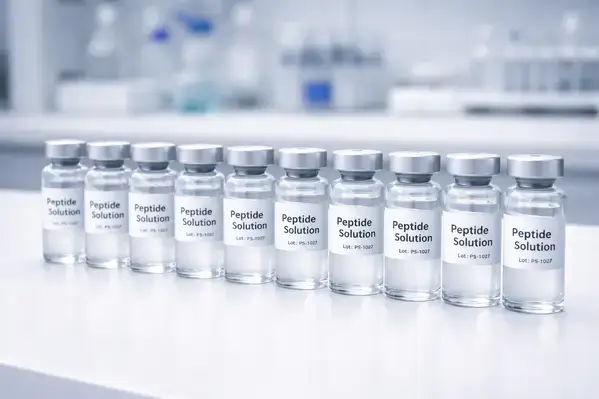
The Science Behind Peptide Reconstitution in Research Settings
Reconstitution is the process of dissolving a lyophilized peptide into a compatible solvent to produce a solution suitable for laboratory analysis. This step has historically required researchers to carefully select an appropriate diluent, such as sterile water, bacteriostatic water, or buffered saline, depending on the specific compound’s solubility profile and the intended assay conditions.
Peptide stability is a central concern during reconstitution. Factors such as pH, temperature, agitation, and container material can all influence the structural integrity of the peptide chain. Improper handling during manual reconstitution may lead to degradation, aggregation, or loss of biological activity, any of which can compromise experimental results.
Pre-reconstituted formulations address these challenges by placing the reconstitution step under controlled manufacturing conditions. This means the solvent selection, concentration calibration, and quality verification occur before the product reaches the research facility.
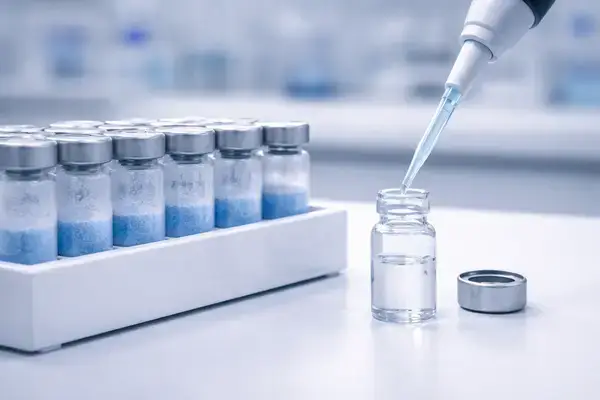
Key Benefits of Pre-Reconstituted Peptides for Laboratory Research
1. Improved Consistency Across Experiments
One of the most significant advantages of pre-reconstituted peptides is batch-to-batch reproducibility. When reconstitution variables are standardized at the point of manufacture, researchers can expect a more uniform concentration and peptide purity profile from vial to vial. This consistency is critical for quantitative receptor binding studies, dose-response characterization, and any experimental protocol that depends on precise compound concentrations.
For scientists conducting in vitro investigations of GIP/GLP-1 receptor pharmacology, this reproducibility directly supports the reliability and statistical validity of their findings.
2. Reduced Risk of Handling Errors
Manual reconstitution introduces multiple opportunities for human error. Miscalculating volumes, using incorrect solvents, or exposing the compound to suboptimal conditions during dissolution can all degrade experimental quality. Pre-reconstituted peptides minimize these variables, particularly in high-throughput screening environments or multi-site collaborative studies where protocol standardization is essential.
3. Enhanced Peptide Stability and Shelf Life
Properly formulated pre-reconstituted peptides often include excipients or buffering agents selected to maximize compound stability in solution. These formulation decisions, made by experienced peptide chemists, can preserve the structural conformation and biological activity of the research compound over a longer storage period than a researcher might achieve through manual preparation.
Laboratories should still follow all recommended storage conditions, including temperature guidelines and light exposure limitations, to maintain product integrity.
4. Streamlined Workflow and Time Savings
For research teams working on multiple concurrent projects, the time savings offered by ready-to-use peptide solutions can be substantial. Eliminating reconstitution steps allows investigators to focus their effort on experimental design, data collection, and analysis rather than sample preparation logistics.
5. Accessibility for Emerging Research Groups
Academic laboratories and early-stage research programs may not always have extensive experience with peptide handling and reconstitution techniques. Pre-reconstituted formats lower the technical barrier to entry, enabling a broader range of qualified researchers to incorporate these compounds into their investigative protocols.
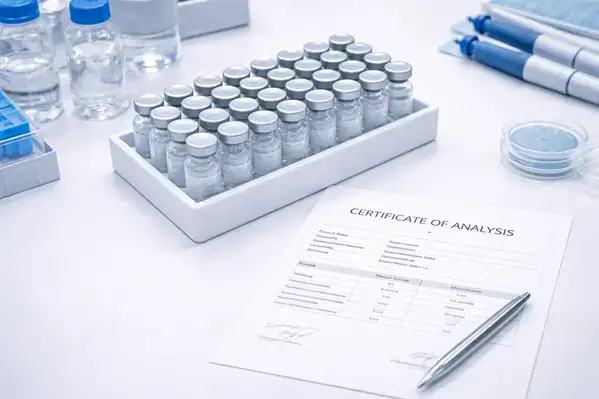
Considerations When Selecting Pre-Reconstituted Peptides
Purity and Certificate of Analysis
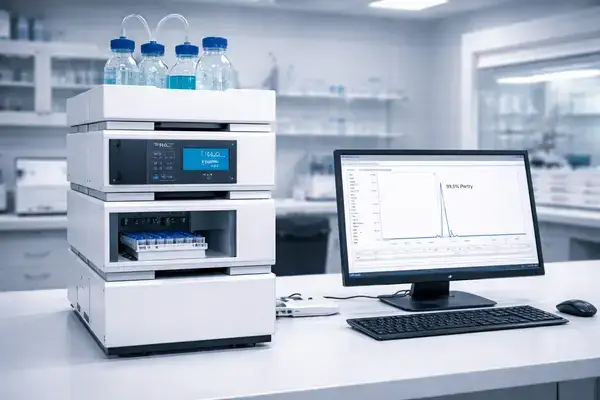
Reputable suppliers of research-grade peptides provide a Certificate of Analysis (COA) with every batch. This document should include data from high-performance liquid chromatography (HPLC), mass spectrometry (MS), and other analytical characterization methods confirming the identity, purity, and concentration of the peptide in solution.
Researchers should verify that the COA reflects current Good Manufacturing Practice (cGMP) standards or equivalent quality benchmarks appropriate for non-clinical research materials.
Storage and Handling Protocols
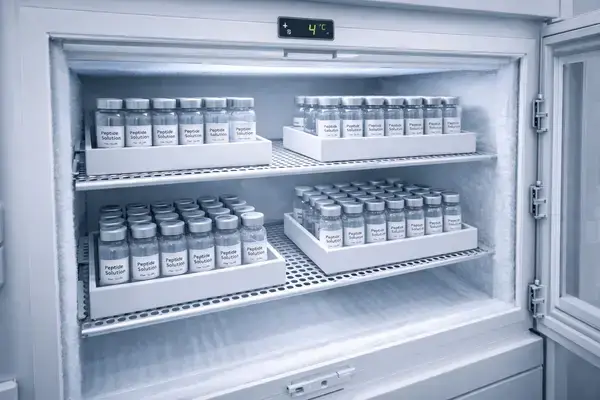
Pre-reconstituted peptides typically require refrigerated or frozen storage. Investigators should review the supplier’s storage instructions carefully and ensure that their facility can maintain the appropriate cold chain conditions. Repeated freeze-thaw cycles should be avoided, as these can promote peptide degradation and aggregation.
Regulatory Awareness
Peptide research compounds, including synthetic analogs of endogenous hormones and receptor agonists, are subject to various regulatory frameworks depending on jurisdiction. Researchers bear the responsibility of understanding and complying with all applicable laws, institutional review requirements, and procurement regulations before acquiring these materials.
All synthetic peptide analogs sold for research purposes, including those targeting incretin receptors, are classified as research chemicals. They carry no therapeutic approval, no clinical indication, and no authorization for use in humans or animals.
Vendor Reputation and Transparency
Selecting a supplier committed to transparency, quality assurance, and regulatory compliance is essential. Look for vendors who provide comprehensive product documentation, maintain clear labeling that identifies products as “For Research Use Only / Not for Human Consumption,” and offer responsive technical support for laboratory questions.
Applications in Contemporary Peptide Research
Pre-reconstituted peptides support a wide range of investigative applications within academic, pharmaceutical, and biotechnology research settings.
Receptor Binding and Activation Studies: Scientists use these compounds to characterize how synthetic peptide analogs interact with target receptors at the molecular level. Studies involving GIP receptors, GLP-1 receptors, and dual-agonist activity profiles benefit from the precise and consistent concentrations offered by pre-reconstituted formulations.
Cell-Based Functional Assays: In vitro assays measuring downstream signaling events, such as cyclic AMP accumulation or calcium mobilization, require reliable compound concentrations to produce meaningful dose-response curves.
Bioanalytical Method Development: Researchers developing new analytical methods for peptide detection and quantification need reference standards of known concentration and purity. Pre-reconstituted peptides serve this function effectively.
Structure-Activity Relationship (SAR) Studies: Medicinal chemistry teams investigating how structural modifications to peptide sequences affect biological activity depend on high-quality, well-characterized reference compounds.
Stability and Degradation Profiling: Understanding how peptide compounds behave under various environmental conditions is a common area of investigation. Pre-reconstituted solutions with documented baseline characteristics provide a useful starting point for these studies.
Best Practices for Handling Research Peptides in the Laboratory
Researchers working with any peptide compound, whether lyophilized or pre-reconstituted, should observe standard laboratory safety practices.
Always wear appropriate personal protective equipment (PPE), including gloves, lab coats, and eye protection. Work in a clean, designated area to prevent cross-contamination. Maintain detailed records of lot numbers, storage conditions, and usage dates for every vial. Dispose of unused materials in accordance with your institution’s chemical waste protocols.
Never transfer research-grade compounds into unlabeled containers, and never remove these materials from a supervised laboratory environment.
Conclusion
Pre-reconstituted research peptides represent a significant step forward in laboratory reagent preparation, and researchers across academic, pharmaceutical, and biotechnology sectors should take note. By removing the variables associated with manual reconstitution, these ready-to-use formulations deliver the batch-to-batch consistency, verified concentration accuracy, and peptide stability that rigorous experimental protocols demand. Laboratories investigating GIP/GLP-1 dual receptor agonist pharmacology, incretin signaling pathways, and peptide structure-activity relationships gain an immediate operational advantage when they incorporate pre-reconstituted compounds into their workflows.
The result is fewer preparation errors, more reproducible data sets, and a sharper focus on the scientific questions that matter. Choose a supplier that provides full analytical documentation, maintains transparent quality assurance practices, and labels every product exclusively for research use. Take the next step in optimizing your peptide research pipeline by evaluating how pre-reconstituted formulations can strengthen your laboratory’s experimental outcomes today.
FAQs
What exactly is a pre-reconstituted research peptide?
A pre-reconstituted research peptide is a synthetic compound that has been dissolved into a laboratory-ready liquid solution during the manufacturing process, rather than shipped as a lyophilized powder. This eliminates the manual reconstitution step and provides researchers with a verified concentration from the moment the vial is opened. These products are classified strictly as research chemicals and are not intended for human consumption, veterinary use, or any clinical application.
Are pre-reconstituted peptides approved by the FDA for therapeutic or diagnostic use?
No. Pre-reconstituted peptides sold as research chemicals have not been evaluated, approved, or authorized by the FDA or any regulatory body for therapeutic, diagnostic, or clinical purposes. They are manufactured and distributed exclusively for in vitro laboratory research conducted by qualified professionals. No statements made about these compounds should be interpreted as medical claims of any kind.
Who is authorized to purchase and use research-grade peptide compounds?
These compounds are intended for procurement by professional researchers, accredited academic institutions, and licensed laboratories engaged in legitimate scientific investigation. Buyers should be prepared to verify their institutional affiliation, research credentials, and intended use before placing an order. All purchasers accept full responsibility for handling these materials in compliance with applicable federal, state, and institutional regulations.
How should I store pre-reconstituted peptides to maintain compound integrity?
Follow the storage guidelines specified on the product label and Certificate of Analysis provided by your supplier, as requirements vary by compound. Most pre-reconstituted peptide solutions require refrigerated storage between 2 and 8 degrees Celsius or frozen storage below negative 20 degrees Celsius, with protection from direct light exposure. Avoid repeated freeze-thaw cycles, aliquot the solution upon first use when possible, and document all storage conditions in your laboratory records.
What quality documentation should I expect when ordering pre-reconstituted research peptides?
Every batch should be accompanied by a Certificate of Analysis (COA) that includes HPLC purity data, mass spectrometry confirmation of molecular identity, and verified concentration measurements. Review this documentation carefully before incorporating the compound into any experimental protocol, and retain all COA records for audit and reproducibility purposes. A reputable supplier will also provide clear labeling stating “For Research Use Only / Not for Human Consumption” on every product.