❌ Not for Human Consumption
●
✅ For Research Use Only
●
All products are intended strictly for laboratory research purposes only
●
❌ Not for Human Consumption
●
✅ For Research Use Only
●
All products are intended strictly for laboratory research purposes only
●

Stability And Reconstitution Protocols For GLP-1T In Research-Grade Settings

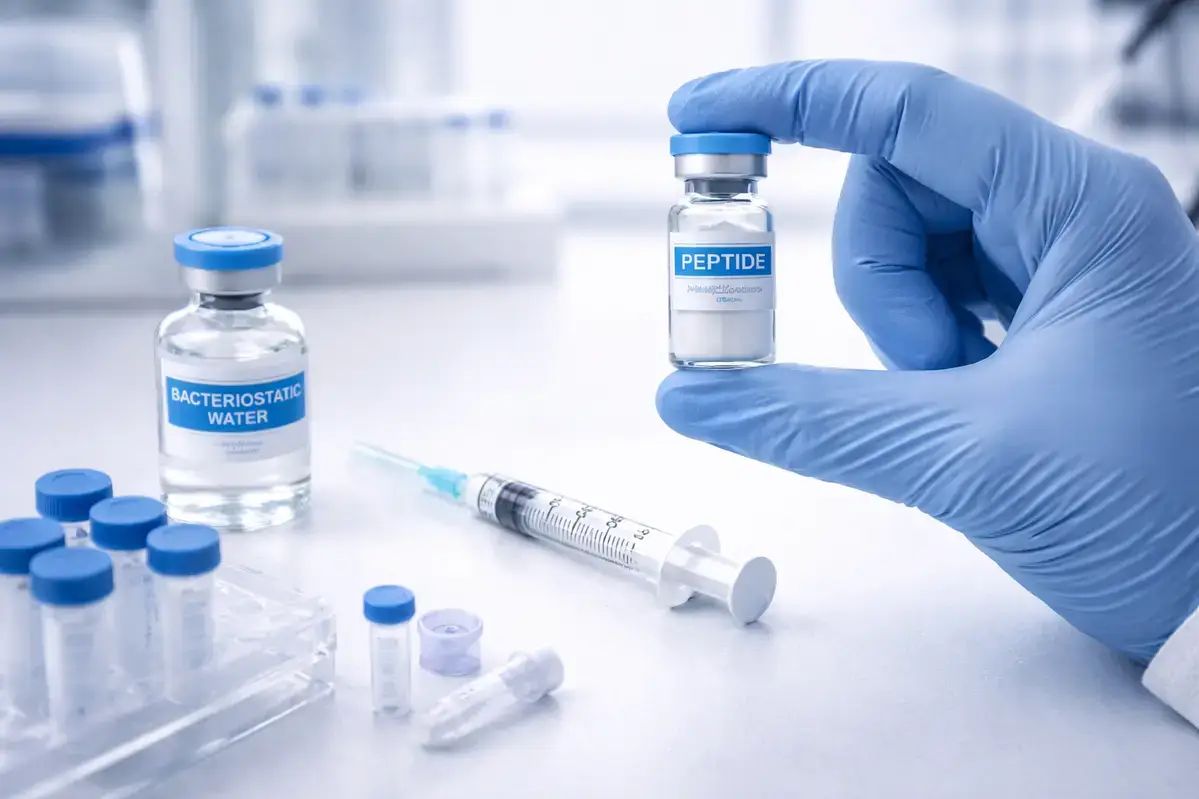
GLP-1T is a synthetic dual incretin receptor agonist peptide sold exclusively for research purposes and not for human consumption. Proper stability management and reconstitution protocols are essential for researchers working with this lyophilized peptide compound in controlled laboratory environments. GLP-1T should be stored at -20°C or colder in its lyophilized form, reconstituted using bacteriostatic water or a compatible solvent such as phosphate-buffered saline at pH 7.4, and mixed gently by rolling the vial between the palms to avoid peptide aggregation or denaturation.
Once reconstituted, GLP-1T maintains acceptable stability for up to 48 hours at 2 to 8°C during active use, or up to 30 days when stored at -20°C in single-use aliquots. Freeze-thaw cycles should be limited to a maximum of three to preserve peptide bond integrity and receptor binding activity. This guide outlines step-by-step reconstitution techniques, pre- and post-reconstitution storage parameters, degradation indicators, and laboratory handling best practices designed to help qualified researchers produce consistent, reproducible experimental data with GLP-1T.
Disclaimer: GLP-1T is sold strictly for research purposes only. It is not intended for human consumption, veterinary use, or any form of clinical application. GLP-1T is intended exclusively for use by qualified researchers and academic professionals conducting lawful in vitro and laboratory investigations. Nothing in this article constitutes medical advice, a therapeutic recommendation, or an endorsement of off-label use.
Understanding GLP-1T as a Research Compound
GLP-1T is a synthetic peptide analog that functions as a dual GIP and GLP-1 receptor agonist. In laboratory settings, researchers investigate its receptor selectivity, binding kinetics, and downstream signaling cascades using validated in vitro assay platforms.
Because GLP-1T is a research-grade compound, it arrives in lyophilized (freeze-dried) form. This powdered state maximizes shelf stability and preserves peptide bond integrity during transit and long-term storage. Once reconstituted into a working solution, the peptide’s stability profile changes significantly, making proper handling protocols critical to experimental success.
Key characteristics that inform handling protocols include:
- Molecular structure sensitive to thermal degradation
- Susceptibility to oxidative stress and pH fluctuation
- Potential for peptide aggregation in improperly buffered solutions
- Sensitivity to repeated freeze-thaw cycles
Pre-Reconstitution Storage Guidelines
Before reconstitution, maintaining proper cold chain storage is the single most important factor in preserving GLP-1T peptide integrity. Researchers should follow these laboratory storage protocols to protect the lyophilized compound.
Temperature Requirements
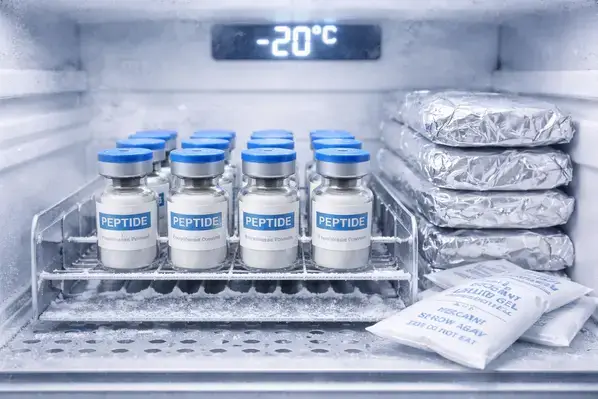
Store lyophilized GLP-1T at -20°C or colder in a dedicated research-grade freezer. Temperatures between -20°C and -80°C are considered optimal for long-term peptide storage. Avoid standard refrigerator temperatures (2 to 8°C) for extended storage periods, as gradual degradation may occur over weeks or months.
Light and Moisture Protection
Peptide degradation accelerates when compounds are exposed to ambient light or humidity. Keep GLP-1T vials in their original sealed packaging, stored inside opaque containers or wrapped in aluminum foil. Desiccant packets placed alongside stored vials provide an additional layer of moisture protection within the freezer environment.
Handling Sealed Vials
Allow sealed vials to reach ambient temperature before opening. Removing a vial from -20°C and immediately breaking the seal introduces condensation directly onto the lyophilized peptide powder. This moisture exposure can trigger localized hydrolysis and compromise the compound before reconstitution even begins.
A minimum equilibration period of 15 to 20 minutes at room temperature, with the vial cap still sealed, is standard practice across most peptide research laboratories.
Reconstitution Protocol for GLP-1T
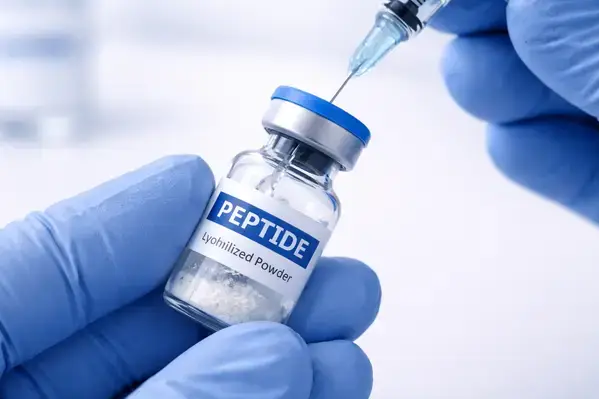
Reconstituting GLP-1T requires careful attention to solvent selection, technique, and concentration calculations. The goal is to produce a homogeneous peptide solution at a known concentration suitable for the intended assay platform.
Step 1: Select the Appropriate Solvent
The most commonly used reconstitution solvent for GLP-1T in research settings is bacteriostatic water (BAC water). This sterile water contains 0.9% benzyl alcohol, which inhibits microbial growth and extends the usable window of the reconstituted solution.
Alternative solvents include:
- Sterile water for injection (when benzyl alcohol sensitivity in cell culture assays is a concern)
- Phosphate-buffered saline (PBS) at pH 7.4 for receptor binding studies
- Dilute acetic acid (0.1%) for peptides that demonstrate poor aqueous solubility at neutral pH
Solvent selection should align with the specific assay requirements and downstream analytical methods. Organic solvents such as DMSO may be used at low concentrations for initial solubilization if aqueous solubility is limited, but researchers should verify compatibility with their experimental system.
Step 2: Calculate the Target Concentration
Before introducing any solvent, determine the desired working concentration based on the assay protocol. Common research concentrations for receptor binding and signaling studies range from micromolar to nanomolar scales.
Use the following approach:
- Identify the total peptide mass in the vial (listed on the certificate of analysis)
- Determine the target concentration required by the assay protocol
- Calculate the required solvent volume using the formula: Volume = Mass / Desired Concentration
Document all calculations in your laboratory notebook prior to reconstitution. This step prevents dilution errors that could invalidate an entire experimental run.
Step 3: Reconstitute with Proper Technique
Add the calculated volume of solvent slowly along the interior wall of the vial. Do not inject solvent directly onto the lyophilized peptide cake, as this can cause foaming, incomplete dissolution, or localized concentration gradients.
Allow the solvent to flow gently down the glass and contact the peptide powder gradually. Once the full solvent volume has been added, let the vial sit undisturbed for 60 to 90 seconds.
Step 4: Mix Gently
After the initial rest period, mix the solution by rolling the vial gently between your palms. Do not vortex, shake vigorously, or invert the vial repeatedly. Aggressive mechanical agitation introduces shear stress that can denature the peptide or promote aggregation at the air-liquid interface.
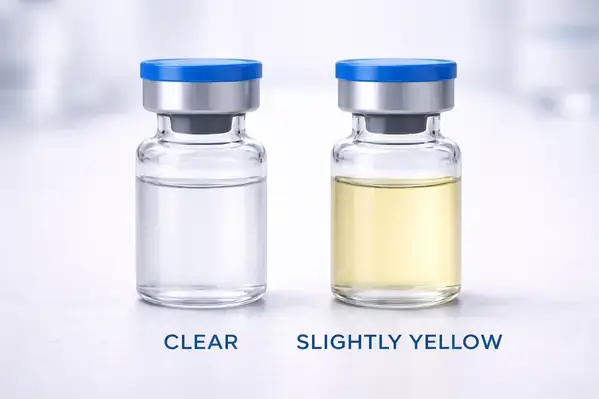
If particulate matter remains visible after gentle mixing, allow the vial to sit at room temperature for an additional 5 to 10 minutes, then repeat the rolling process. A fully reconstituted GLP-1T solution should appear clear and colorless with no visible particulates or turbidity.
Post-Reconstitution Stability and Storage
Once GLP-1T has been reconstituted, its stability profile shifts considerably. Researchers must adjust storage and handling protocols accordingly.
Short-Term Storage (Active Use)
For ongoing experimental use within a 48-hour window, reconstituted GLP-1T may be stored at 2 to 8°C (standard laboratory refrigerator). Keep the vial upright, capped, and shielded from light.
Medium-Term Storage (Up to 30 Days)
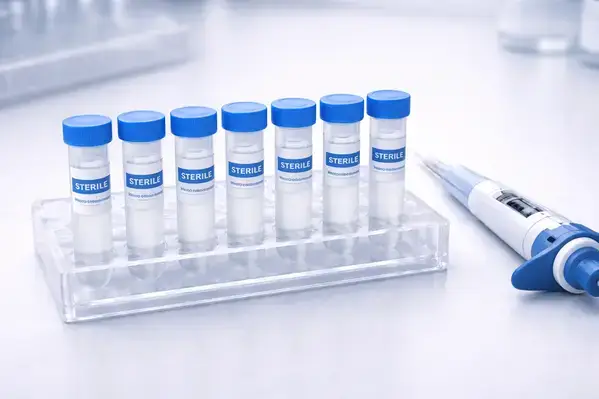
If the reconstituted solution will be used intermittently over several weeks, store at -20°C in single-use aliquots. Aliquoting eliminates repeated freeze-thaw exposure, which is one of the primary drivers of peptide degradation in reconstituted solutions.
Use sterile, low-binding microcentrifuge tubes for aliquoting. Standard polypropylene tubes may adsorb peptide to the tube walls at low concentrations, reducing effective concentration over time.
Long-Term Storage Considerations
For storage beyond 30 days, researchers should evaluate whether re-lyophilization or procurement of fresh lyophilized material is more appropriate. Extended storage of reconstituted peptide solutions, even at -20°C, carries cumulative risks of hydrolysis, oxidation, and gradual loss of bioactivity.
Freeze-Thaw Cycle Management
Limit freeze-thaw cycles to an absolute maximum of three. Each cycle introduces thermal stress that can disrupt secondary peptide structure and promote aggregation. The most effective strategy is to aliquot the full reconstituted volume into single-use portions immediately after preparation.
Label each aliquot clearly with the compound name, concentration, reconstitution date, solvent used, and aliquot number. Consistent labeling practices support traceability and reduce the risk of using degraded material in downstream assays.
Indicators of Peptide Degradation
Researchers should inspect reconstituted GLP-1T solutions before each use. The following observations may indicate compromised peptide integrity:
Visual indicators include turbidity, cloudiness, visible particulates, color change (from colorless to yellow or amber), and foam or film formation on the solution surface.
Analytical indicators include unexpected shifts in receptor binding assay results, reduced signal intensity in ELISA or similar immunoassay platforms, altered retention times in HPLC or LC-MS quality control runs, and inconsistent dose-response curves across experimental replicates.
If degradation is suspected, do not use the compromised material. Discard the affected aliquot and reconstitute a fresh vial following the protocols outlined above. Using degraded peptide in experiments introduces systematic error that cannot be corrected during data analysis.
Best Practices for Laboratory Handling
Beyond storage and reconstitution, several handling practices contribute to maintaining GLP-1T stability throughout the experimental workflow.
Use Aseptic Technique
Always work under a laminar flow hood or biological safety cabinet when opening vials and preparing aliquots. Microbial contamination introduces proteolytic enzymes that rapidly degrade peptide compounds in solution.
Minimize Air Exposure
After removing an aliquot, purge the remaining vial headspace with inert gas (nitrogen or argon) before resealing. Oxygen exposure promotes oxidative degradation, particularly at methionine and tryptophan residues within the peptide chain.
Calibrate Pipettes Regularly
Volumetric accuracy is critical when working at micromolar and nanomolar concentrations. A pipette that delivers 5% more or less than the intended volume can shift effective concentrations enough to compromise assay reliability. Follow your laboratory’s standard calibration schedule and verify pipette accuracy with gravimetric testing.
Document Everything
Maintain detailed records of each reconstitution event, including lot number, solvent type and lot, calculated concentration, date and time of preparation, number of aliquots created, and storage location. Rigorous documentation supports experimental reproducibility and simplifies troubleshooting if unexpected results arise.
Final Thoughts
Maintaining GLP-1T stability from the moment it arrives in the laboratory through the final pipetting step of an experiment requires consistent attention to storage temperatures, reconstitution technique, and post-preparation handling. Researchers who invest time in establishing and following standardized peptide handling SOPs will produce more consistent data, reduce material waste, and strengthen the overall reliability of their experimental outcomes.
Every protocol detail matters. From cold chain integrity to aliquoting strategy to pipette calibration, each step in the workflow either protects or erodes peptide quality. Treat reconstitution as a critical experimental procedure, not a preparatory afterthought.
FAQs
What solvent should I use to reconstitute GLP-1T for research?
Bacteriostatic water is the most widely used solvent for reconstituting GLP-1T in research applications. For cell-based assays where benzyl alcohol may interfere, sterile water or phosphate-buffered saline at pH 7.4 are suitable alternatives. Solvent selection should match the requirements of your specific assay platform.
How long does reconstituted GLP-1T remain stable?
Reconstituted GLP-1T stored at 2 to 8°C generally maintains acceptable stability for up to 48 hours of active use. For longer storage, aliquot the solution into single-use portions and store at -20°C, where stability may be maintained for up to 30 days depending on solvent and handling conditions.
How many freeze-thaw cycles can GLP-1T tolerate?
Researchers should limit freeze-thaw cycles to no more than three. Each cycle introduces thermal and mechanical stress that can promote peptide aggregation and loss of structural integrity. Single-use aliquoting after initial reconstitution is the most effective strategy for avoiding repeated freeze-thaw exposure.
How do I know if my reconstituted GLP-1T has degraded?
Visually inspect the solution for turbidity, particulates, or discoloration before each use. Analytically, degradation may present as shifts in receptor binding affinity, altered HPLC retention times, or inconsistent dose-response relationships in established assays. Discard any material suspected of degradation and prepare a fresh solution.
Can I store lyophilized GLP-1T at room temperature?
Lyophilized GLP-1T should be stored at -20°C or colder for optimal long-term stability. Room temperature storage accelerates peptide bond degradation and is not recommended for research-grade compounds. Brief room temperature exposure during the pre-reconstitution equilibration step is acceptable and necessary.