❌ Not for Human Consumption
●
✅ For Research Use Only
●
All products are intended strictly for laboratory research purposes only
●
❌ Not for Human Consumption
●
✅ For Research Use Only
●
All products are intended strictly for laboratory research purposes only
●

What Should A LIPO-C Certificate Of Analysis Include For Researchers

Written By: Gary Hite, Research Content Writer
Reviewed By: Natalie Kunsman, M.D., Board-Certified Physician
Last Reviewed: October 3, 2026
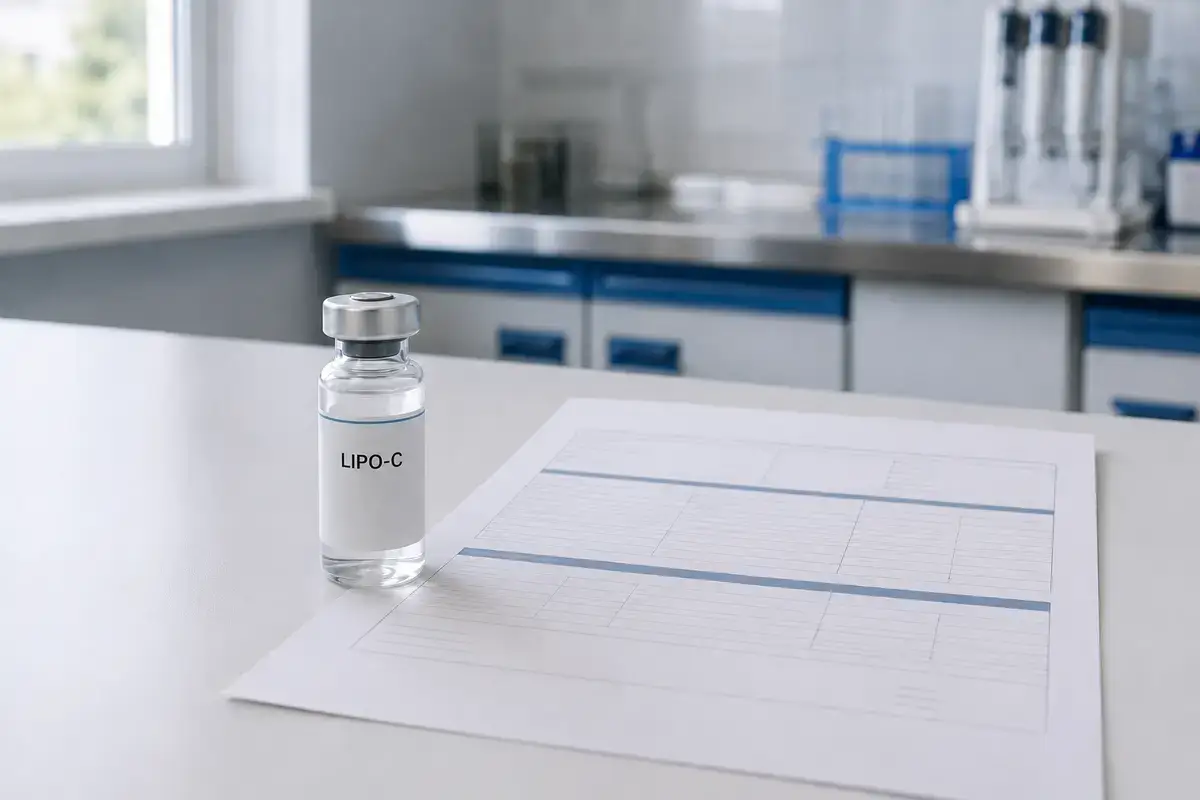
A LIPO-C certificate of analysis (COA) should include identity confirmation for each active component, purity percentages verified by HPLC, endotoxin screening data, batch and lot numbers, manufacturing and expiration dates, analytical method references, and an authorized laboratory signature. That’s the minimum. Anything less, and you’re working with incomplete data.
LIPO-C is a multi-component lipotropic research blend containing L-Carnitine, Methionine, Inositol, Choline, and B vitamins. It is sold for laboratory research use only and is not for human consumption. Because it’s a multi-ingredient formulation, the COA matters more than it does for a single-compound reagent. Each component needs its own verification. Miss one, and your assay results become unreliable.
A LIPO-C certificate of analysis is a batch-specific quality control document issued by an analytical laboratory that verifies the identity, purity, concentration, and sterility of a lipotropic research compound blend. It reports test results against predefined specifications for each active ingredient and confirms the batch meets research-grade standards.
Disclaimer: LIPO-C is sold for research, laboratory, and analytical purposes only. It is not for human consumption. This product is not intended to diagnose, treat, cure, or prevent any disease. The statements in this article have not been evaluated by the U.S. Food and Drug Administration.
What is a LIPO-C certificate of analysis?
A COA is a document tied to a specific batch of a research compound. It’s not a marketing sheet or a product spec. It reports what the laboratory actually measured when they tested that lot, compared against the acceptance criteria for each parameter.
For LIPO-C, the COA should cover all eight active ingredients: L-Carnitine (100mg/ml), Arginine (20mg/ml), Methionine (25mg/ml), Inositol (50mg/ml), Choline (50mg/ml), Dexpanthenol/B5 (25mg/ml), Pyridoxine/B6 (25mg/ml), and Cyanocobalamin/B12 (1mg/ml). A COA that only reports “overall purity” without breaking out individual components isn’t doing its job.
Every COA should be batch-specific. If a supplier hands you a single COA that covers “all batches” or doesn’t list a lot number, that’s a spec sheet. It tells you what the product is supposed to be, not what this particular batch actually is.
LIPO-C is intended for laboratory research purposes only and is not for human consumption, diagnostic use, or therapeutic application.
The eight tests a LIPO-C COA should report
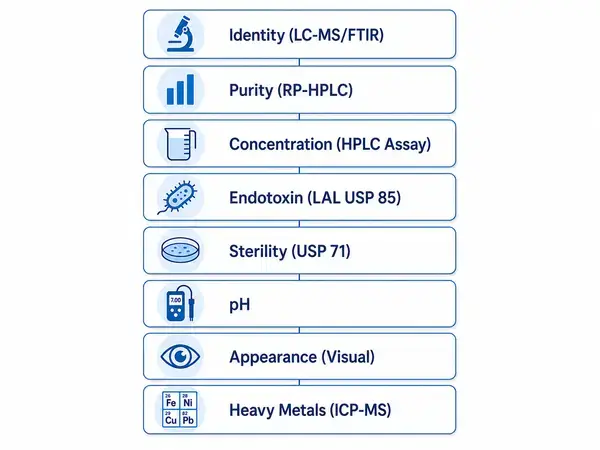
Not every COA covers the same ground. A complete LIPO-C certificate of analysis includes these eight categories.
1. Identity confirmation (per component)
The lab verifies that each ingredient is what the label claims. For LIPO-C, this means confirming L-Carnitine, Methionine, Inositol, Choline, Arginine, Dexpanthenol, Pyridoxine, and Cyanocobalamin are all present. Common methods include LC-MS (liquid chromatography-mass spectrometry) and FTIR (Fourier-transform infrared spectroscopy).
2. Purity (per component)
Purity testing measures what percentage of the compound is the target molecule versus degradation products or synthesis byproducts. HPLC (high-performance liquid chromatography) is the standard for lipotropic research compounds. Research-grade LIPO-C should report purity above 98% for each amino acid and vitamin component.
3. Concentration/Assay
This confirms the actual mg/ml matches the label claim. For a multi-component formulation like LIPO-C, each ingredient should have its own assay result. If L-Carnitine is listed at 100mg/ml, the COA should show the measured value (for example, 99.2mg/ml) alongside the acceptance range (typically 90% to 110% of label claim).
4. Endotoxin testing
Endotoxins are bacterial cell-wall fragments. The Limulus Amebocyte Lysate (LAL) assay is the standard detection method, referenced under USP <85>. For sterile injectable-format research solutions, the threshold is typically less than 0.25 EU/ml. A COA without endotoxin data on a sterile formulation is incomplete.
5. Sterility testing
USP <71> sterility testing confirms no viable microorganisms are present. The COA should state “Pass” or “No growth detected” with the method and incubation period noted. Standard protocol uses a 14-day incubation in both Fluid Thioglycollate Medium and Soybean-Casein Digest Medium.
6. pH
LIPO-C solutions have a target pH range (typically 4.0 to 7.0). The COA should report the measured value. A pH outside the specified range can indicate degradation or a formulation error that could affect experimental results.
7. Appearance/Visual inspection
A pass/fail entry confirming the solution is clear, free of particulate matter, and matches the expected color profile. Simple, but it catches gross contamination and precipitation issues that other tests won’t flag.
8. Heavy metals and residual solvents (where applicable)
Some COAs include ICP-MS screening for heavy metals (lead, mercury, arsenic, cadmium) and GC headspace analysis for residual solvents from the manufacturing process. Not every LIPO-C COA will include these, but their presence signals a more thorough testing protocol.
| Test | Method | Typical Specification | Why It Matters |
| Identity | LC-MS or FTIR | Confirmed per component | Verifies you have the right compounds |
| Purity | RP-HPLC | Above 98% per component | Flags degradation and contaminants |
| Concentration | HPLC assay | 90% to 110% of label claim | Confirms labeled dosage per ml |
| Endotoxin | LAL assay (USP <85>) | Less than 0.25 EU/ml | Detects bacterial contamination |
| Sterility | USP <71> | No growth (14-day incubation) | Confirms absence of viable organisms |
| pH | pH meter | 4.0 to 7.0 | Signals degradation or formulation error |
| Appearance | Visual | Clear, no particulates | Catches gross contamination |
| Heavy metals | ICP-MS | Below USP limits | Screens for toxic metal contamination |
Why does purity data matter for lipotropic research compounds?
Purity is the most-cited data point on a COA, and for good reason. A 2% impurity in a single-compound reagent is one variable. A 2% impurity spread across eight ingredients in a blend like LIPO-C is eight potential variables, any one of which can skew results.
In preclinical assay work, impurities can interfere with enzymatic reactions, shift receptor-binding data, or trigger false positives in cell viability assays. Degradation byproducts in multi-component vitamin and amino acid blends can co-elute with target analytes during HPLC runs, producing inflated purity readings if the method isn’t validated for separation of each component.
That’s why the analytical method matters as much as the number itself. A COA that says “99% pure” without specifying RP-HPLC, UV-Vis, or another technique doesn’t give you enough information to reproduce or challenge the result.
Penguin Peptides tests LIPO-C through third-party laboratories using RP-HPLC with individual component resolution. Each batch COA reports purity per ingredient, not a single blended figure. You can review published batch data on their lab results page.
LIPO-C is for research use only. It is not intended for human consumption or any diagnostic or therapeutic purpose.
Endotoxin and sterility results on a research-grade COA
For any research compound supplied as a sterile injectable solution, endotoxin and sterility data aren’t optional line items. They’re the difference between a usable research reagent and a contamination risk that can wreck a study.
Endotoxins are lipopolysaccharides shed from the outer membrane of gram-negative bacteria. Even dead bacteria leave endotoxins behind, which means a solution that passes sterility testing can still carry endotoxin contamination. The LAL assay (USP <85>) is the standard detection method, with research-grade injectable solutions expected to measure below 0.25 EU/ml.
Sterility testing (USP <71>) is a separate evaluation. It confirms the absence of viable bacteria and fungi through a 14-day incubation in two different culture media. A COA that reports sterility but skips endotoxin testing (or the reverse) has a gap. Both tests serve different purposes, and both should appear on any COA for a sterile research-grade formulation.
If your LIPO-C supplier provides a COA without either test, ask why. For a sterile injectable research solution at 10ml per vial, there’s no reason to omit them.
How do you verify a LIPO-C COA is legitimate?
A COA is only useful if it’s authentic. Run these checks before you trust one.
Match the lot number. The lot number printed on your vial label should match the lot number on the COA exactly. If it doesn’t, the COA doesn’t apply to your batch. Full stop.
Check the testing laboratory. A third-party lab adds credibility. Look for ISO 17025 accreditation or GLP (Good Laboratory Practice) compliance noted on the COA header. In-house testing from the manufacturer isn’t invalid, but third-party verification carries more weight for published research.
Verify the dates. The COA should show a test date and, for solutions, a shelf life or retest date. A COA dated years before your purchase without a corresponding retest should raise questions about whether the data still applies.
Look for signatures. Under 21 CFR 211.194, laboratory records require the initials or signature of the analyst who performed the testing, plus a second reviewer signature. Many research-grade COAs follow this standard voluntarily.
Contact the lab directly. If the COA names a third-party laboratory, you can reach out to confirm whether that specific lot number was tested there. Accredited labs will verify.
Penguin Peptides publishes batch-specific COAs on their lab results page, with each document tied to a specific lot number for traceability.
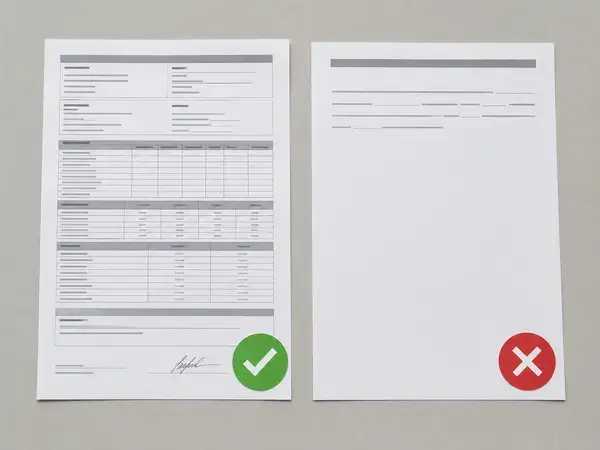
Red flags on a research compound COA
Not every document labeled “Certificate of Analysis” is one. These should make you pause.
No lot or batch number. Without one, the COA can’t be tied to a specific production run. It’s a generic document, not a batch record.
A single purity figure for a multi-component blend. LIPO-C has eight active ingredients. “99% pure” as one line item doesn’t tell you which components were tested, whether all eight met specification, or what method was used.
No analytical method listed. “Tested for purity” without specifying HPLC, LC-MS, or another technique is too vague to reproduce or validate. If the method isn’t named, the number is just a claim.
Missing endotoxin or sterility data on a sterile formulation. A product supplied as a sterile injectable research solution needs both tests. Omitting them means the batch hasn’t been fully characterized for its intended format.
Generic or undated documents. A COA should carry a specific test date and the name of the laboratory that performed the work. No date, no lab name, no contact information? Treat it with skepticism.
Results outside specification that still say “Pass.” If the acceptance range for L-Carnitine assay is 90% to 110% of label claim and the measured value reads 85%, that’s a fail. A COA that reports out-of-spec results as passing has either a printing error or a credibility problem.
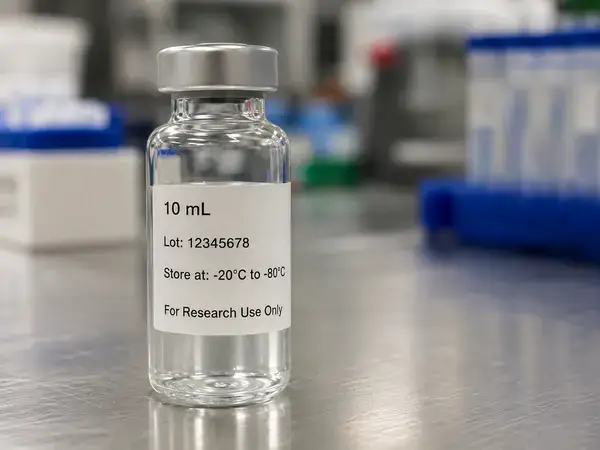
Labeling and compliance markers on a LIPO-C COA
Beyond the analytical data itself, a LIPO-C COA should carry specific labeling and compliance information that protects both the supplier and the researcher.
The FDA’s guidance on “Research Use Only” labeling requires products not represented for diagnostic or therapeutic use to carry a clear statement. For LIPO-C, this means the COA and all associated labeling should include: “For Research Use Only. Not for human consumption.”
Under FDA regulations (21 CFR Part 201), minimum labeling includes the RUO statement, net quantity, manufacturer identity, and a lot number traceable to manufacturing history. Research chemicals don’t fall under the same regulatory framework as finished pharmaceuticals, but voluntary compliance with these standards signals that a supplier takes documentation seriously.
A properly labeled LIPO-C COA includes the product name and catalog number, lot/batch number, manufacturing date and expiration or retest date, the “For Research Use Only. Not for human consumption” statement, supplier name and contact information, storage conditions (68 to 77 degrees F for LIPO-C), and the standard disclaimer: “Not intended to diagnose, treat, cure, or prevent any disease.”
Penguin Peptides is a chemical supplier. They are not a compounding pharmacy or chemical compounding facility as defined under 503A of the Federal Food, Drug, and Cosmetic Act, and not an outsourcing facility as defined under 503B. All products are sold for research, laboratory, or analytical purposes only.
How Penguin Peptides documents LIPO-C batch quality
Penguin Peptides supplies LIPO-C as a 10ml sterile injectable research solution. Each batch ships with a lot-specific certificate of analysis covering identity, purity, concentration, endotoxin, and sterility data for all eight active components.
The company publishes COA results on their lab results page. Researchers can review batch data before and after purchase. This is a practice that only a small number of research compound suppliers follow. Most require you to request the COA after ordering, which means you can’t verify batch quality before committing.
LIPO-C from Penguin Peptides contains L-Carnitine (100mg/ml), Arginine (20mg/ml), Methionine (25mg/ml), Inositol (50mg/ml), Choline (50mg/ml), Dexpanthenol (25mg/ml), Pyridoxine (25mg/ml), and Cyanocobalamin (1mg/ml). The COA for each batch breaks out test results per ingredient rather than reporting a single blended figure, which gives researchers the component-level data they need for protocol design and quality control.
Storage is at 68 to 77 degrees F (20 to 25 degrees C). The product may crystallize slightly if refrigerated, which is noted on the label and COA.
All Penguin Peptides products are for laboratory research use only and are not for human consumption, diagnostic use, or therapeutic application.
What researchers should do before accepting any LIPO-C batch
A LIPO-C certificate of analysis is only as good as the data it reports and the lab that produced it. Before you build a protocol around any batch, check the COA against the eight test categories above. Confirm the lot number matches your vial. Verify each of the eight active components has its own purity and assay line, not a single blended number. Look for endotoxin and sterility results on every sterile formulation. And if the COA doesn’t name a method, a lab, or a date, ask your supplier why.
Research depends on reproducibility, and reproducibility starts with verified materials. A COA with gaps creates gaps in your data. Treat it like any other piece of your experimental design: if you can’t verify it, you can’t trust what comes after it.
FAQs
What is a LIPO-C certificate of analysis?
A LIPO-C certificate of analysis is a batch-specific quality document that reports the identity, purity, concentration, and sterility of a lipotropic research compound blend. It is issued by the testing laboratory and tied to a unique lot number. LIPO-C is for research use only and not for human consumption.
What purity level should LIPO-C have for laboratory research?
Research-grade LIPO-C should show purity above 98% for each amino acid and vitamin component as measured by RP-HPLC. The COA should break out purity per ingredient rather than reporting a single blended figure across all eight components.
Does a LIPO-C COA need to include endotoxin testing?
Yes. For any research compound supplied as a sterile injectable solution, endotoxin testing via the LAL assay (USP <85>) should appear on the COA. The accepted threshold for research-grade formulations is typically below 0.25 EU/ml.
How do I verify a LIPO-C certificate of analysis is authentic?
Match the lot number on the vial to the lot number on the COA. Check for a named testing laboratory, analyst signatures, and a specific test date. If a third-party lab is listed, contact them directly to confirm the document. Penguin Peptides publishes batch COAs at penguinpeptides.com/lab-results.
What analytical methods are used to test LIPO-C components?
HPLC (high-performance liquid chromatography) is the standard for purity and concentration testing. LC-MS or FTIR are used for identity confirmation. Endotoxin testing uses the LAL assay per USP <85>, and sterility testing follows USP <71> with a 14-day incubation protocol.
Is LIPO-C FDA approved?
No. LIPO-C is not FDA approved for any diagnostic, therapeutic, or clinical application. It is sold as a research chemical for laboratory and academic use only. It is not for human consumption.
What red flags should I look for on a LIPO-C certificate of analysis?
Missing lot numbers, a single purity figure for a multi-component blend, no analytical method specified, absence of endotoxin or sterility data on sterile formulations, and undated or unsigned documents are all red flags. A legitimate COA is batch-specific, method-documented, and signed by the testing analyst.