❌ Not for Human Consumption
●
✅ For Research Use Only
●
All products are intended strictly for laboratory research purposes only
●
❌ Not for Human Consumption
●
✅ For Research Use Only
●
All products are intended strictly for laboratory research purposes only
●

How Researchers Use GLP-1T For Incretin Studies In Vitro


The incretin signaling system remains one of the most actively studied areas in receptor biology. Researchers around the world are turning to dual receptor agonist compounds like GLP-1T to better understand how GLP-1 and GIP receptor pathways interact at the cellular level. This growing body of in vitro research is generating valuable data about receptor binding kinetics, downstream signaling cascades, and pathway crosstalk that was previously difficult to isolate.
GLP-1T has become a valuable tool for laboratory teams seeking to explore these interactions in controlled environments. By working with this compound in cell-based assay systems, researchers can observe how simultaneous activation of both incretin receptor subtypes influences intracellular responses. This line of inquiry is expanding the foundational knowledge that drives future discovery across multiple fields of receptor biology.
This article explores the key methodologies, applications, and findings that are shaping how the scientific community uses GLP-1T in vitro today.
Disclaimer: GLP-1T is sold strictly for research purposes only and is not intended for human consumption. This article is intended solely for professional researchers, scientists, and academics. Nothing in this content should be interpreted as medical advice, a therapeutic recommendation, or encouragement of any non-research use. All compounds referenced are intended for in vitro and laboratory investigation only.

What Is GLP-1T and Why Is It Relevant to Incretin Pathway Studies?
GLP-1T is a synthetic dual incretin receptor agonist peptide available exclusively for research use. It is designed to bind both the glucagon-like peptide-1 (GLP-1) receptor and the glucose-dependent insulinotropic polypeptide (GIP) receptor. This dual-targeting profile makes GLP-1T a uniquely useful research tool for studying how these two pathways converge, diverge, and modulate each other under experimental conditions.
For decades, researchers studied GLP-1 and GIP receptor signaling in isolation. Single-receptor agonists provided important insights, but they could not replicate the complexity of simultaneous pathway activation. GLP-1T fills that gap in the research toolkit by enabling scientists to investigate dual receptor engagement in a single compound. This allows for more efficient experimental design and more physiologically relevant data when studying incretin biology.
Important note: GLP-1T is not approved for therapeutic use and is not intended for human consumption. It is provided solely as a research reagent for qualified laboratories and academic institutions.
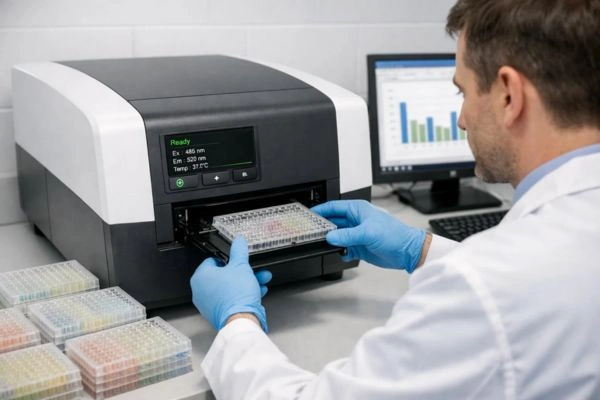
Key In Vitro Methodologies Using GLP-1T
Researchers employ a range of established and emerging laboratory techniques to study GLP-1T and its interactions with incretin receptors. Below are the primary methodologies driving current investigations.
Receptor Binding Affinity Assays
One of the foundational applications of GLP-1T in the lab involves measuring its binding affinity at both GLP-1 and GIP receptors. Competitive binding assays using radiolabeled or fluorescently tagged ligands allow researchers to quantify how GLP-1T interacts with each receptor subtype. These studies reveal important data about selectivity ratios, binding constants (Kd values), and how structural modifications to the peptide influence receptor engagement.
Research teams typically use cell lines stably expressing human GLP-1R or GIPR for these experiments. CHO (Chinese hamster ovary) and HEK293 (human embryonic kidney) cells are among the most common platforms for these receptor binding studies.
cAMP Accumulation Assays
Both GLP-1 and GIP receptors are G-protein coupled receptors (GPCRs) that signal primarily through the Gs pathway, leading to increases in intracellular cyclic adenosine monophosphate (cAMP). Measuring cAMP accumulation is therefore a direct and reliable readout of receptor activation.
Researchers use GLP-1T in dose-response cAMP assays to determine potency (EC50) at each receptor subtype. These experiments help characterize the functional profile of GLP-1T and compare its signaling efficacy against single-receptor reference agonists. Technologies such as HTRF (homogeneous time-resolved fluorescence) and luminescence-based detection systems are commonly used to quantify cAMP levels in these studies.

Beta-Arrestin Recruitment Studies
Beyond G-protein signaling, GPCR activation also triggers beta-arrestin recruitment, a process involved in receptor internalization and alternative signaling pathways. Researchers studying GLP-1T use beta-arrestin recruitment assays to build a more complete picture of how dual receptor activation influences downstream cellular events.
These experiments are particularly relevant because beta-arrestin signaling bias has become an important concept in receptor pharmacology. Understanding whether GLP-1T preferentially activates G-protein or beta-arrestin pathways at each receptor helps researchers map the full signaling landscape of dual incretin agonism.
Calcium Mobilization and Secondary Messenger Analysis
Some research groups also measure intracellular calcium flux and other secondary messengers following GLP-1T exposure. While cAMP is the primary signaling molecule for incretin receptors, calcium signaling and other pathways can provide additional context about cellular responses. These studies often use fluorescent calcium indicators and plate-reader-based detection systems to capture real-time signaling dynamics.

Applications of GLP-1T Research in Academic Settings
The data generated from GLP-1T in vitro studies feeds into several important areas of academic and scientific inquiry.
Mapping Receptor Crosstalk
One of the most compelling research applications involves understanding how simultaneous GLP-1R and GIPR activation creates signaling outcomes that differ from activating either receptor alone. Researchers use GLP-1T alongside selective single-receptor agonists and antagonists to dissect these interactions. By comparing responses across conditions, they can identify synergistic, additive, or even antagonistic effects at the intracellular signaling level.
This type of crosstalk mapping is essential for building accurate models of incretin biology. It helps the research community understand why dual-pathway activation produces distinct cellular profiles compared to single-pathway engagement.
Structure-Activity Relationship (SAR) Studies
GLP-1T also serves as a reference compound in structure-activity relationship research. By comparing the activity of GLP-1T against modified analogs, researchers can identify which structural features of the peptide are critical for receptor binding and activation. These SAR studies contribute to the broader scientific understanding of peptide-receptor interactions and inform the design of future research compounds.
Receptor Desensitization and Internalization Research
Long-term or repeated exposure of cells to receptor agonists can lead to desensitization and receptor internalization. Researchers use GLP-1T in time-course experiments to study how dual receptor activation influences these processes. Understanding desensitization kinetics is an important area of basic receptor biology that has implications for how scientists model sustained receptor engagement in laboratory settings.
Cell Signaling Pathway Profiling
Advanced research teams use GLP-1T as part of broader signaling pathway profiling experiments. Using techniques such as phosphoproteomics, transcriptomics, and high-content imaging, researchers can map the full spectrum of intracellular changes that occur following dual incretin receptor activation. These comprehensive datasets contribute to systems-level understanding of incretin biology.
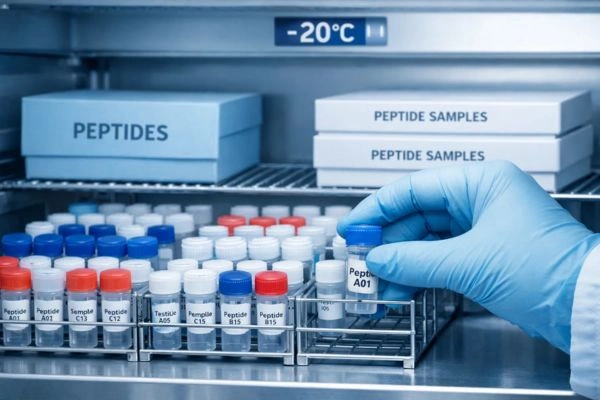
Best Practices for Handling GLP-1T in the Laboratory
Proper handling and storage of GLP-1T are essential for generating reliable and reproducible research data. Here are the key considerations for laboratory teams working with this compound.
Storage and Reconstitution
GLP-1T peptide should be stored according to the manufacturer’s specifications, typically as a lyophilized powder at temperatures of negative 20 degrees Celsius or lower. Reconstitution should be performed using sterile, research-grade solvents as recommended in the product documentation. Aliquoting reconstituted GLP-1T into single-use volumes helps prevent degradation from repeated freeze-thaw cycles.
Dose Preparation and Controls
Accurate serial dilutions and appropriate vehicle controls are critical for generating meaningful dose-response data. Researchers should prepare fresh working solutions for each experiment whenever possible and include both positive controls (established single-receptor agonists) and negative controls (vehicle only) in every assay.
Documentation and Compliance
All research involving GLP-1T should be conducted in accordance with institutional protocols and applicable regulations. Maintaining thorough documentation of compound handling, experimental conditions, and results supports reproducibility and regulatory compliance.

The Growing Importance of Dual Incretin Agonist Research
The scientific interest in dual incretin receptor agonism has expanded significantly in recent years. Published literature on the topic has grown steadily, with research teams across universities and independent laboratories contributing new findings about receptor biology, signaling mechanisms, and pathway interactions.
GLP-1T provides these research teams with a reliable, well-characterized tool compound for their investigations. As more data accumulates from in vitro studies, the collective understanding of how GLP-1 and GIP receptor systems interact continues to deepen. This foundational research supports the broader scientific mission of advancing knowledge in receptor pharmacology and peptide biology.
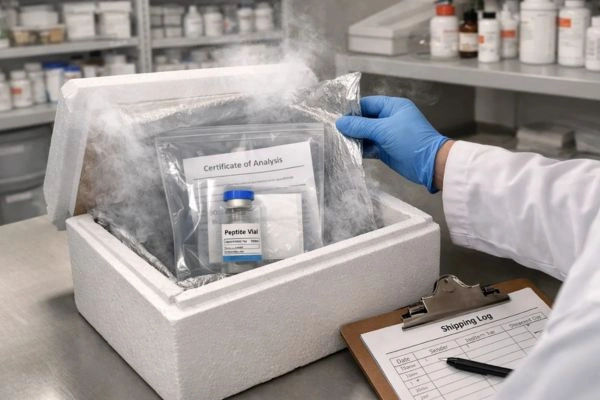
How to Source GLP-1T for Your Research
GLP-1T is available for purchase by qualified research institutions, universities, and laboratories. When sourcing GLP-1T for your studies, prioritize suppliers that provide detailed certificates of analysis (COA), verified purity data (typically by HPLC and mass spectrometry), and clear documentation of peptide identity and quality.
Working with a reputable supplier ensures that your research data is built on a foundation of compound integrity and consistency. Look for vendors that specialize in research-grade peptides and maintain transparent quality control processes.
Reminder: GLP-1T is sold exclusively for in vitro research and laboratory use. It is not intended for human consumption, veterinary use, or any therapeutic application. Purchasers must confirm their status as qualified researchers before acquiring this compound.
Conclusion: Advancing Incretin Biology Through Rigorous In Vitro Research
The study of incretin pathway interactions represents one of the most dynamic areas of receptor biology today. GLP-1T has become an essential tool for researchers seeking to understand how dual receptor agonism influences cellular signaling at the molecular level. From binding affinity assays to comprehensive pathway profiling, the applications of GLP-1T in the laboratory continue to expand.
For professional researchers and academic scientists, GLP-1T offers a well-defined starting point for investigating complex questions about GLP-1 and GIP receptor biology. By applying rigorous methodologies and maintaining strict laboratory standards, the scientific community can continue to generate high-quality data that advances our collective understanding of incretin signaling.
Explore our catalog to find research-grade GLP-1T and related compounds for your next in vitro study.
Disclaimer: GLP-1T is sold strictly for research purposes only and is not intended for human consumption. This article is intended solely for professional researchers, scientists, and academics. Nothing in this content should be interpreted as medical advice, a therapeutic recommendation, or encouragement of any non-research use. All compounds referenced are intended for in vitro and laboratory investigation only.
Frequently Asked Questions
What cell lines are most commonly used for GLP-1T receptor binding studies, and how should researchers select between them?
CHO and HEK293 cells stably expressing human GLP-1R or GIPR are the standard platforms for GLP-1T binding experiments. Select your cell line based on your specific assay requirements, CHO cells offer robust receptor expression stability, while HEK293 cells more closely reflect human cellular machinery. Confirm that your chosen line reliably expresses the target receptor subtype before committing to a full experimental series.
How do researchers measure whether GLP-1T activates GLP-1 and GIP receptors simultaneously in vitro?
Run dose-response cAMP accumulation assays on cells expressing each receptor subtype individually, then compare results against cells co-expressing both receptors. Use HTRF or luminescence-based detection to quantify cAMP levels at each concentration point. Include selective single-receptor agonists and antagonists as controls in every run, this allows you to isolate dual-activation effects from single-receptor responses and identify synergistic or antagonistic signaling outcomes.
Why should researchers include beta-arrestin recruitment assays alongside standard cAMP measurements when studying GLP-1T?
cAMP data alone captures only the G-protein signaling arm of receptor activation. Beta-arrestin recruitment assays reveal whether GLP-1T triggers receptor internalization and alternative downstream pathways at GLP-1R or GIPR. Mapping this signaling bias is critical for building a complete pharmacological profile of dual agonism. Run both assay types in parallel across matched dose ranges to determine whether GLP-1T preferentially engages one pathway over the other at each receptor.
What controls should every GLP-1T in vitro experiment include to produce publication-quality data?
Include four controls in every assay: a vehicle-only negative control, a selective GLP-1R agonist as a positive control, a selective GIPR agonist as a second positive control, and a known antagonist for each receptor to confirm binding specificity. Prepare fresh working solutions from aliquoted stock for each experiment. Document compound lot numbers, dilution steps, and incubation conditions in your lab notebook, reviewers and replicating labs will need this information.
How should GLP-1T be stored and handled to maintain compound integrity across a multi-week study?
Store lyophilized GLP-1T at -20°C or lower until ready for use. Upon reconstitution, immediately divide the solution into single-use aliquots sized to your per-experiment volume needs, and freeze aliquots at -20°C. Never refreeze a thawed aliquot, each freeze-thaw cycle promotes peptide aggregation and denaturation that will skew your dose-response curves. Prepare fresh working dilutions on the day of each experiment and discard any unused reconstituted material after 30 days under refrigeration.