❌ Not for Human Consumption
●
✅ For Research Use Only
●
All products are intended strictly for laboratory research purposes only
●
❌ Not for Human Consumption
●
✅ For Research Use Only
●
All products are intended strictly for laboratory research purposes only
●

HPLC Analysis Of GHK-Cu Peptide Purity In Research

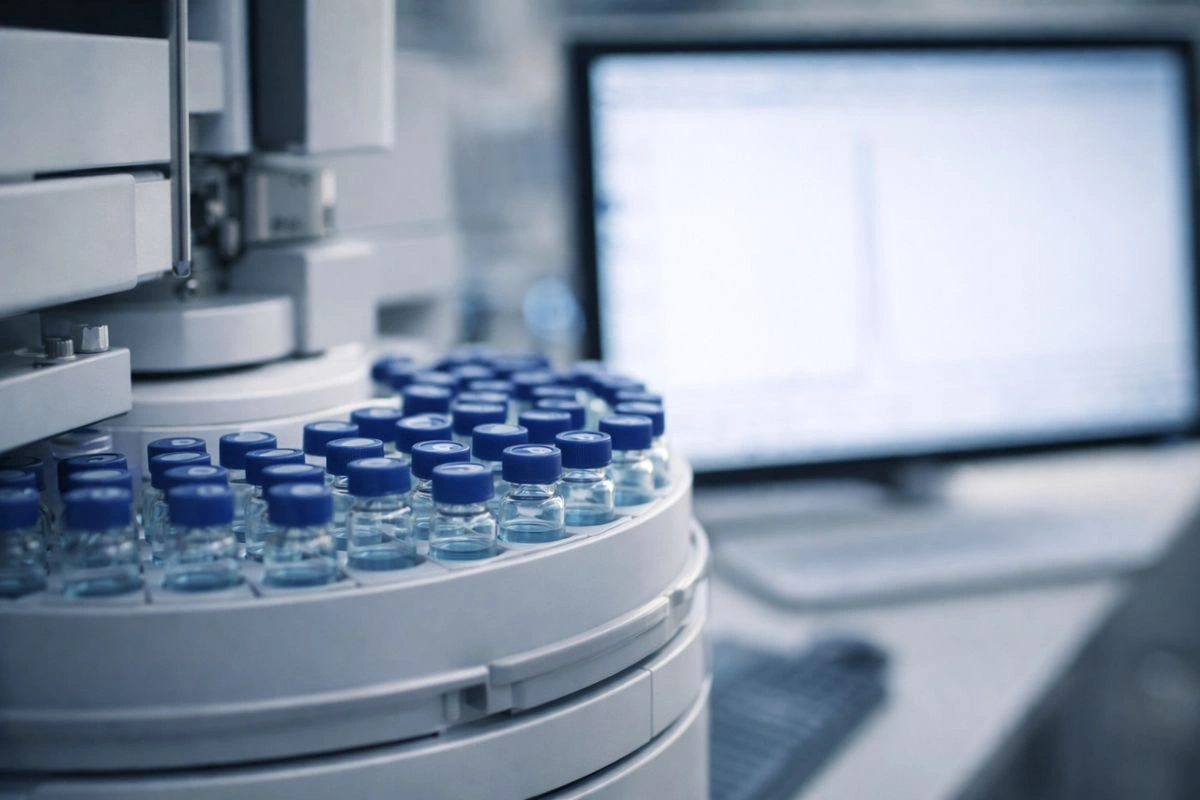
Glycyl-L-histidyl-L-lysine copper(II), commonly referred to as GHK-Cu, is a naturally occurring copper-binding tripeptide that has attracted significant attention across peptide research disciplines. For laboratories working with this compound, confirming purity through validated analytical methods is not optional. It is a foundational requirement for producing reliable, reproducible data.
High-Performance Liquid Chromatography (HPLC) remains the gold standard for peptide purity analysis. This article provides professional researchers and academic investigators with a detailed, action-oriented guide to HPLC-based purity assessment of GHK-Cu copper peptide in research settings.
All methods, protocols, and discussions in this article pertain exclusively to in vitro laboratory research. GHK-Cu is not approved for human consumption and must not be used outside sanctioned research applications.
Disclaimer: GHK-Cu copper peptide is sold strictly for research purposes only and is not intended for human consumption. The information presented in this article is for educational and research use only. Nothing in this content should be interpreted as a medical claim, therapeutic recommendation, or encouragement of any use outside of a controlled laboratory environment. Researchers must comply with all applicable local, state, and federal regulations when handling research-grade peptides. This content is intended solely for qualified researchers and academic professionals operating within appropriately equipped laboratory environments.
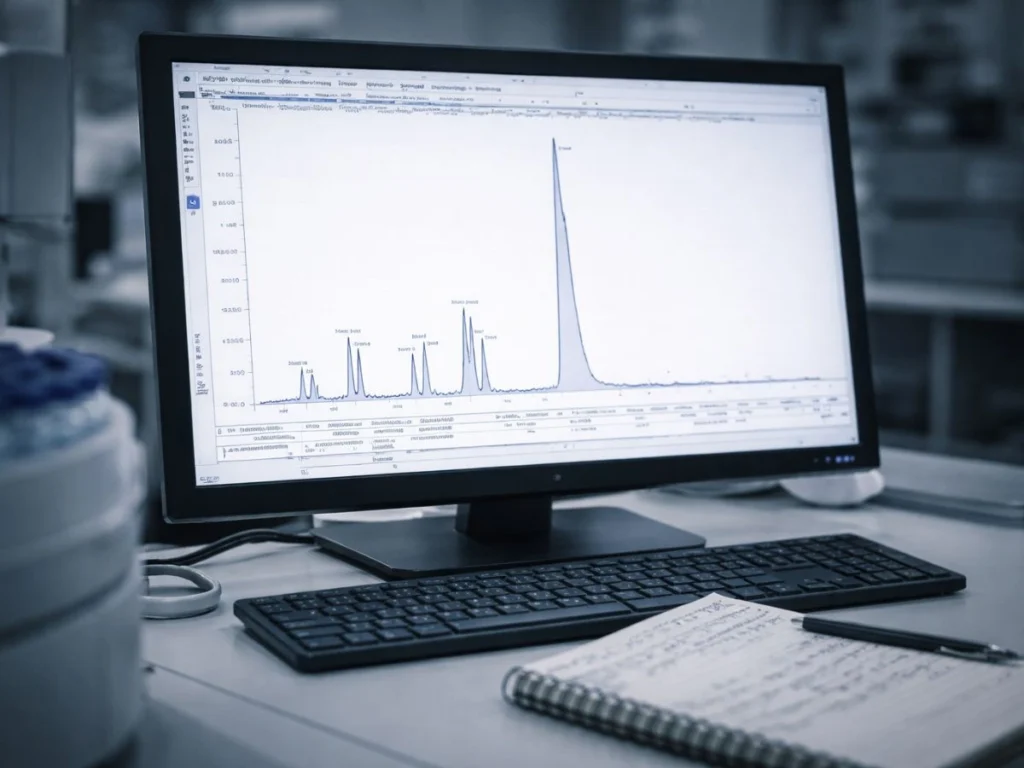
Why HPLC Purity Analysis Matters for GHK-Cu Research
Every analytical study begins with a simple but critical question: how pure is your starting material? When researchers work with GHK-Cu, impurities introduced during synthesis, storage degradation, or improper handling can compromise experimental outcomes. Common contaminants may include truncated peptide sequences, oxidation byproducts, residual solvents, free copper ions, and diastereomeric impurities.
HPLC purity analysis addresses these concerns by separating, identifying, and quantifying each component in a GHK-Cu sample. Without this verification step, downstream data loses its integrity, peer-reviewed publications face scrutiny, and entire research programs risk building on unreliable foundations.
Laboratories that invest in rigorous HPLC protocols gain a clear advantage: confidence in their raw materials translates directly into confidence in their results.
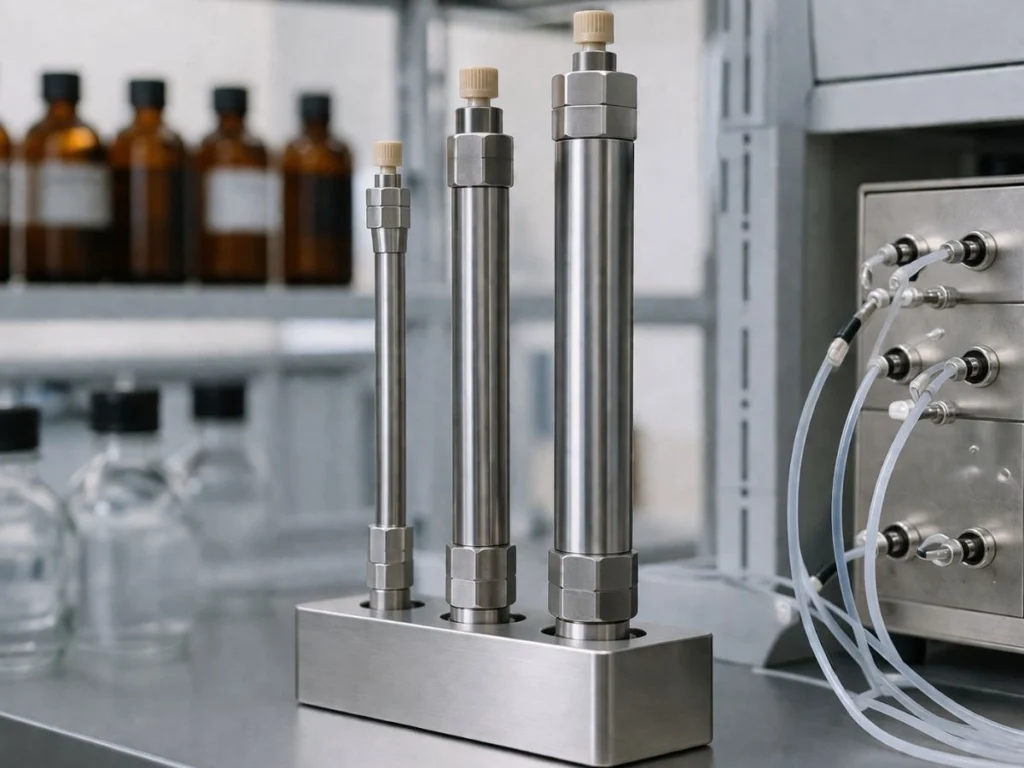
Selecting the Right HPLC Method for GHK-Cu
Choosing the appropriate chromatographic approach depends on the specific analytical goals of the research project. Below are the primary HPLC techniques used in GHK-Cu purity assessment.
Reversed-Phase HPLC (RP-HPLC)
RP-HPLC is the most widely adopted method for peptide purity determination. It separates analytes based on hydrophobicity using a nonpolar stationary phase (typically C18 or C8 bonded silica) and a polar mobile phase.
For GHK-Cu analysis, RP-HPLC offers excellent resolution of the parent peptide from synthesis-related impurities. The copper(II) coordination within the peptide structure adds a layer of complexity, as the metal center can influence retention behavior. Researchers should account for this when developing and validating their methods.
Recommended starting parameters for RP-HPLC analysis of GHK-Cu:
- Column: C18, 250 mm x 4.6 mm, 5 micrometer particle size
- Mobile Phase A: 0.1% trifluoroacetic acid (TFA) in water
- Mobile Phase B: 0.1% TFA in acetonitrile
- Gradient: 5% to 50% B over 30 minutes (linear)
- Flow Rate: 1.0 mL/min
- Detection: UV at 220 nm (peptide bond absorption)
- Injection Volume: 10 to 20 microliters
- Column Temperature: 25 degrees Celsius
These parameters serve as a baseline. Researchers should optimize gradient profiles, column chemistry, and mobile phase composition based on the specific impurity profile observed in their GHK-Cu samples.
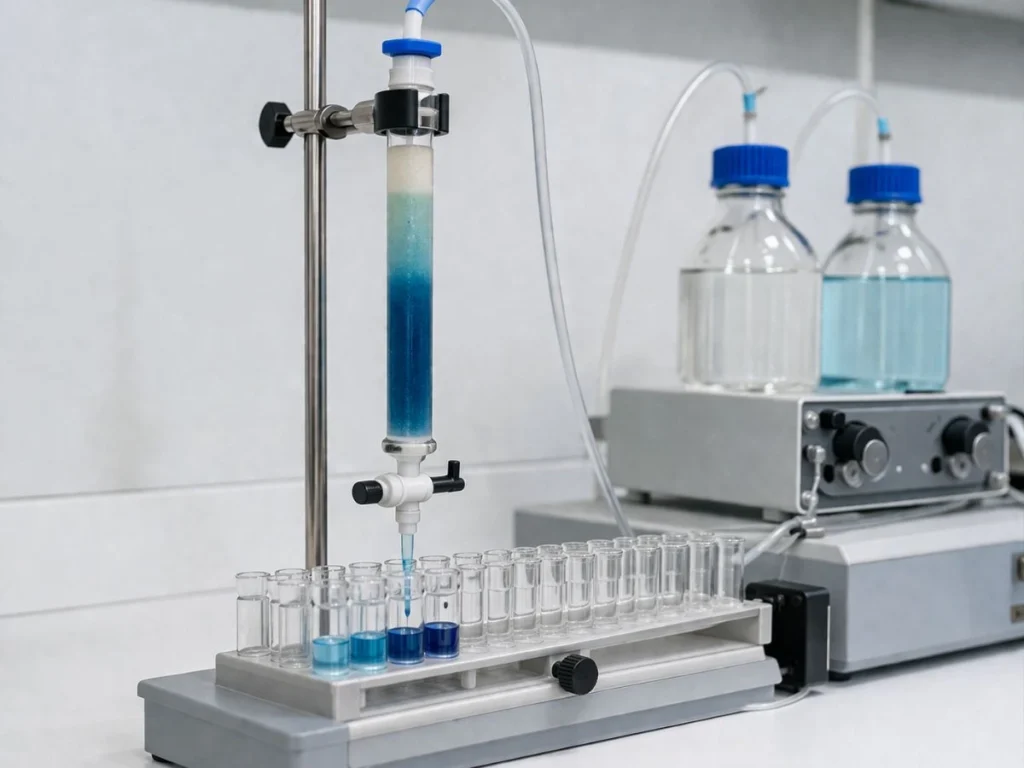
Ion-Exchange Chromatography (IEX)
Because GHK-Cu carries both ionizable amino acid residues and a coordinated copper ion, ion-exchange chromatography can provide complementary separation selectivity. IEX is particularly useful for resolving charged impurities that co-elute in RP-HPLC separations.
Cation-exchange chromatography, using a sulfonate-based stationary phase with a sodium chloride gradient in phosphate buffer, can effectively separate GHK-Cu from copper-free GHK, partially metalated species, and other charged contaminants.
Size-Exclusion Chromatography (SEC)
For researchers investigating aggregation behavior or the presence of higher-molecular-weight impurities in GHK-Cu preparations, SEC provides a straightforward separation based on molecular size. While SEC alone does not offer the resolution needed for comprehensive purity analysis, it serves as a valuable orthogonal technique when combined with RP-HPLC data.
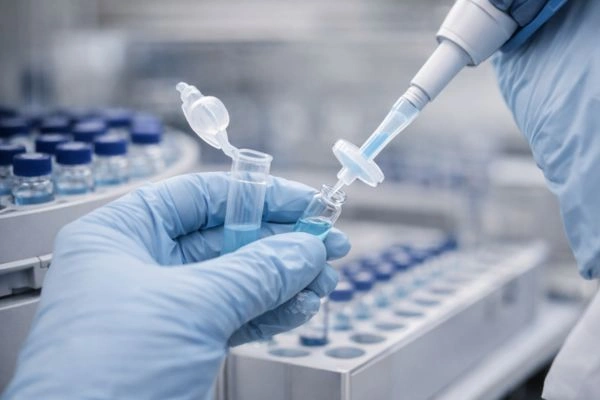
Step-by-Step Protocol: RP-HPLC Purity Analysis of GHK-Cu
The following protocol outlines a practical, laboratory-ready workflow for RP-HPLC purity determination of research-grade GHK-Cu. This protocol is intended for use by trained analytical chemists and researchers operating in compliant laboratory environments.
Step 1: Sample Preparation
Dissolve the GHK-Cu research material in the appropriate diluent. A mixture of 95:5 water to acetonitrile (v/v) with 0.1% TFA works well for most preparations. Prepare the sample at a concentration of 0.5 to 1.0 mg/mL. Filter all solutions through a 0.22 micrometer PVDF syringe filter before injection to protect the column and prevent particulate interference.
Prepare fresh solutions on the day of analysis. GHK-Cu solutions can degrade over time, particularly if exposed to light, elevated temperatures, or strongly acidic or basic conditions.
Step 2: System Suitability
Before analyzing research samples, run system suitability tests to confirm that the HPLC system is performing within acceptable parameters. Inject a reference standard (if available) or a well-characterized lot of GHK-Cu and verify the following criteria:
- Peak symmetry (tailing factor between 0.8 and 1.5)
- Retention time reproducibility (relative standard deviation below 1.0% across replicate injections)
- Theoretical plate count (N greater than 2000 for the GHK-Cu peak)
- Signal-to-noise ratio (greater than 10 for quantitation)
Document all system suitability results before proceeding.
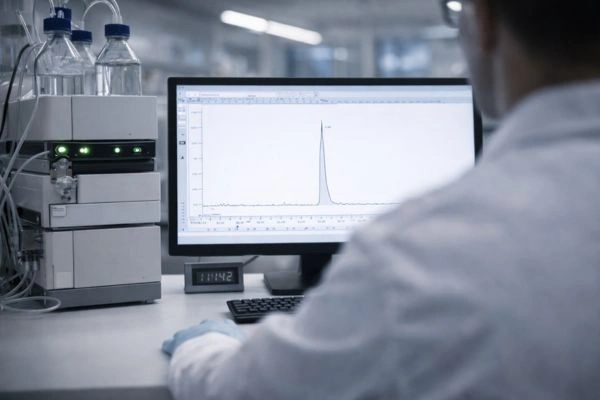
Step 3: Chromatographic Separation
Execute the gradient program described in the method parameters above. Monitor the chromatogram in real time and note the retention time of the primary GHK-Cu peak. Typical retention times for GHK-Cu under these conditions fall between 8 and 14 minutes, depending on the specific column lot, instrument configuration, and ambient conditions.
Record the complete chromatogram from injection to the end of the gradient, including a column re-equilibration period of at least 10 minutes at initial conditions before the next injection.
Step 4: Peak Integration and Purity Calculation
Integrate all peaks in the chromatogram using consistent baseline and threshold settings. Calculate the percent purity of GHK-Cu using the area normalization method:
Purity (%) = (Area of GHK-Cu peak / Total area of all peaks) x 100
Exclude solvent fronts, system peaks, and any signals attributable to the mobile phase or blank injections from the total area calculation.
Research-grade GHK-Cu typically demonstrates purity values of 95% or higher when analyzed by RP-HPLC. Laboratories should establish acceptance criteria appropriate to their specific research applications.
Step 5: Data Review and Documentation
Review all chromatographic data critically. Look for unexpected peaks, shifts in retention time, baseline irregularities, or signs of column degradation. Record all raw data, integration parameters, and calculated results in a laboratory notebook or electronic data management system.
Maintaining thorough analytical records supports reproducibility, facilitates troubleshooting, and strengthens the credibility of published research findings.
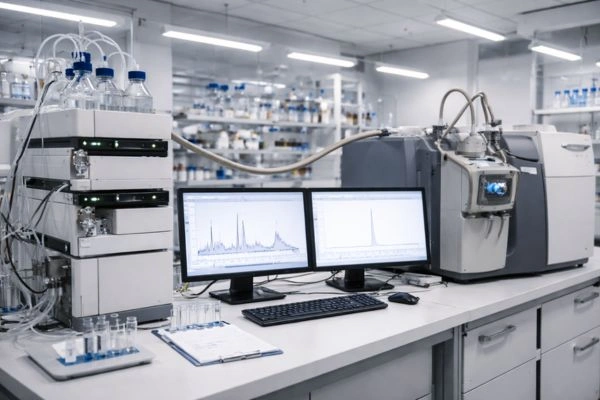
Advanced Considerations for GHK-Cu HPLC Analysis
Copper Coordination Effects
The copper(II) ion coordinated within GHK-Cu influences the peptide’s chromatographic behavior in ways that differ from the metal-free GHK tripeptide. Researchers should be aware that changes in mobile phase pH, ionic strength, or the presence of chelating agents can alter the copper binding equilibrium and affect peak shape and retention.
Avoid using EDTA or other strong chelators in the mobile phase unless the explicit goal is to strip the copper and analyze the apo-peptide separately. If metal speciation is relevant to the research question, coupling HPLC with inductively coupled plasma mass spectrometry (ICP-MS) enables simultaneous determination of peptide purity and copper content.
Method Validation
For research programs that require formally validated analytical methods, follow established guidelines such as ICH Q2(R1). Key validation parameters include specificity, linearity, range, accuracy, precision (repeatability and intermediate precision), detection limit, quantitation limit, and robustness.
While full ICH validation may not be necessary for every exploratory study, addressing at minimum specificity, precision, and linearity provides a solid analytical foundation for GHK-Cu research.
Stability-Indicating Methods
If a research project involves evaluating the stability of GHK-Cu under various storage conditions, the HPLC method must be demonstrated to be stability-indicating. This means the method must effectively resolve the parent peptide from all relevant degradation products.
Forced degradation studies (exposure to heat, light, oxidative conditions, acidic and basic pH) generate degradation profiles that can be used to confirm the method’s ability to detect and quantify breakdown products. This information is essential for researchers establishing proper storage and handling protocols for their GHK-Cu reference materials.
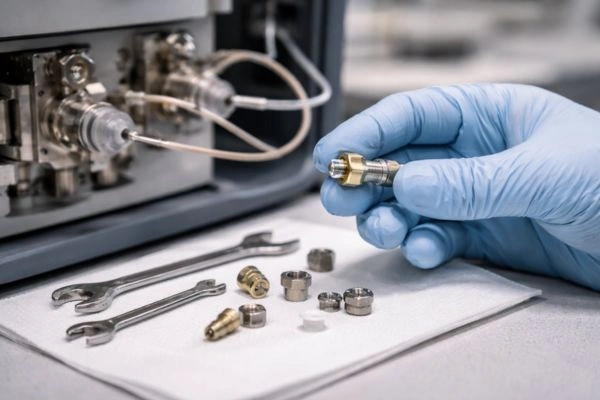
Troubleshooting Common HPLC Issues with GHK-Cu
Even experienced analysts encounter challenges. Here are practical solutions to frequent issues observed during GHK-Cu HPLC analysis.
- Broad or tailing peaks: Check column condition by running a standard test mixture. If the column is degraded, replace it. Also verify that the sample diluent is compatible with the mobile phase. Mismatched solvents can cause peak distortion.
- Shifting retention times: Confirm that the column temperature is stable, the mobile phase is freshly prepared, and the gradient pump is delivering accurate compositions. Small variations in TFA concentration can significantly affect retention of a charged peptide like GHK-Cu.
- Ghost peaks or baseline drift: Run blank gradient injections to identify system-related artifacts. Clean or replace inline filters, check for mobile phase contamination, and verify that the detector lamp intensity is within the manufacturer’s specifications.
- Low recovery or sensitivity: Increase the injection volume or sample concentration within the linear range. Confirm that the detection wavelength is appropriate. While 220 nm provides general peptide bond detection, monitoring at 254 nm can offer additional selectivity for histidine-containing peptides like GHK-Cu.
Ensuring Quality in GHK-Cu Research Materials
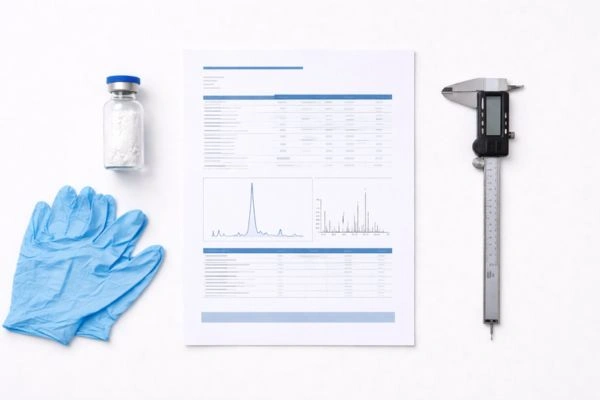
For professional researchers, the quality of analytical data is only as reliable as the materials being analyzed. When sourcing GHK-Cu for research applications, look for suppliers that provide a Certificate of Analysis (CoA) including HPLC purity data, mass spectrometry confirmation of molecular identity, amino acid analysis results, and documentation of residual solvent and metal content testing.
Independently verifying supplier-provided purity data using in-house HPLC methods is a best practice that strengthens analytical confidence and supports scientific rigor.
Final Thoughts for the Research Community
HPLC purity analysis of GHK-Cu copper peptide is a critical quality control step that every laboratory should prioritize. By implementing validated chromatographic methods, maintaining rigorous documentation practices, and staying current with advances in peptide analytical chemistry, researchers position themselves to generate data that withstands peer review and advances the broader scientific understanding of copper-binding peptides.
The protocols and recommendations outlined in this article are designed to support that mission. Apply them, adapt them to your specific research needs, and build your analytical programs on a foundation of verified material quality.
Disclaimer: GHK-Cu copper peptide is sold strictly for research purposes only and is not intended for human consumption. The information presented in this article is for educational and research use only. Nothing in this content should be interpreted as a medical claim, therapeutic recommendation, or encouragement of any use outside of a controlled laboratory environment. Researchers must comply with all applicable local, state, and federal regulations when handling research-grade peptides.
Frequently Asked Questions
What HPLC method should researchers use first when assessing GHK-Cu purity?
Start with reversed-phase HPLC using a C18 column, 0.1% TFA in water/acetonitrile mobile phase, and UV detection at 220 nm. RP-HPLC delivers the strongest resolution between the parent GHK-Cu peptide and common synthesis-related impurities. Run your initial gradient from 5% to 50% organic over 30 minutes, then optimize the profile based on the specific impurity pattern your sample presents. Add ion-exchange or size-exclusion chromatography as orthogonal techniques only after establishing your RP-HPLC baseline.
How should GHK-Cu samples be prepared before HPLC injection?
Dissolve your GHK-Cu at 0.5–1.0 mg/mL in a 95:5 water-to-acetonitrile mixture containing 0.1% TFA. Filter every solution through a 0.22 µm PVDF syringe filter to remove particulates that damage the column and distort peak shape. Prepare fresh solutions on the day of analysis, GHK-Cu in solution degrades when exposed to light, heat, or pH extremes. Never inject a sample prepared from a previous session without re-verifying its integrity.
Why do GHK-Cu peaks sometimes tail or broaden during RP-HPLC analysis?
Peak tailing typically signals column degradation or a mismatch between sample diluent and mobile phase composition. Run a standard test mixture to assess column health first, replace the column if plate counts fall below acceptable thresholds. Confirm your sample diluent closely matches initial mobile phase conditions to prevent solvent-strength mismatch at injection. Also check that the coordinated copper ion is not interacting with residual silanol groups on the stationary phase, which can distort peak geometry.
What minimum system suitability criteria should be met before analyzing GHK-Cu research samples?
Verify four parameters before proceeding: peak tailing factor between 0.8 and 1.5, retention time reproducibility with relative standard deviation below 1.0% across replicate injections, theoretical plate count above 2,000 for the GHK-Cu peak, and signal-to-noise ratio above 10 for reliable quantitation. Document these results for every analytical session. If any criterion falls outside range, troubleshoot and re-qualify the system before injecting research samples, data generated on a non-compliant system is not defensible.
Should researchers independently verify purity data provided on a supplier’s Certificate of Analysis?
Yes, treat supplier COA data as a starting reference, not a final confirmation. Run your own in-house RP-HPLC analysis on each new lot using your validated method and compare the results against the supplier’s reported purity. Discrepancies may indicate degradation during shipping, improper storage before delivery, or differences in analytical methodology. Independent verification protects your downstream experiments and strengthens the credibility of any published findings built on that compound.