❌ Not for Human Consumption
●
✅ For Research Use Only
●
All products are intended strictly for laboratory research purposes only
●
❌ Not for Human Consumption
●
✅ For Research Use Only
●
All products are intended strictly for laboratory research purposes only
●

Storage And Shelf Life Of Bacteriostatic Water In A Research Laboratory Setting

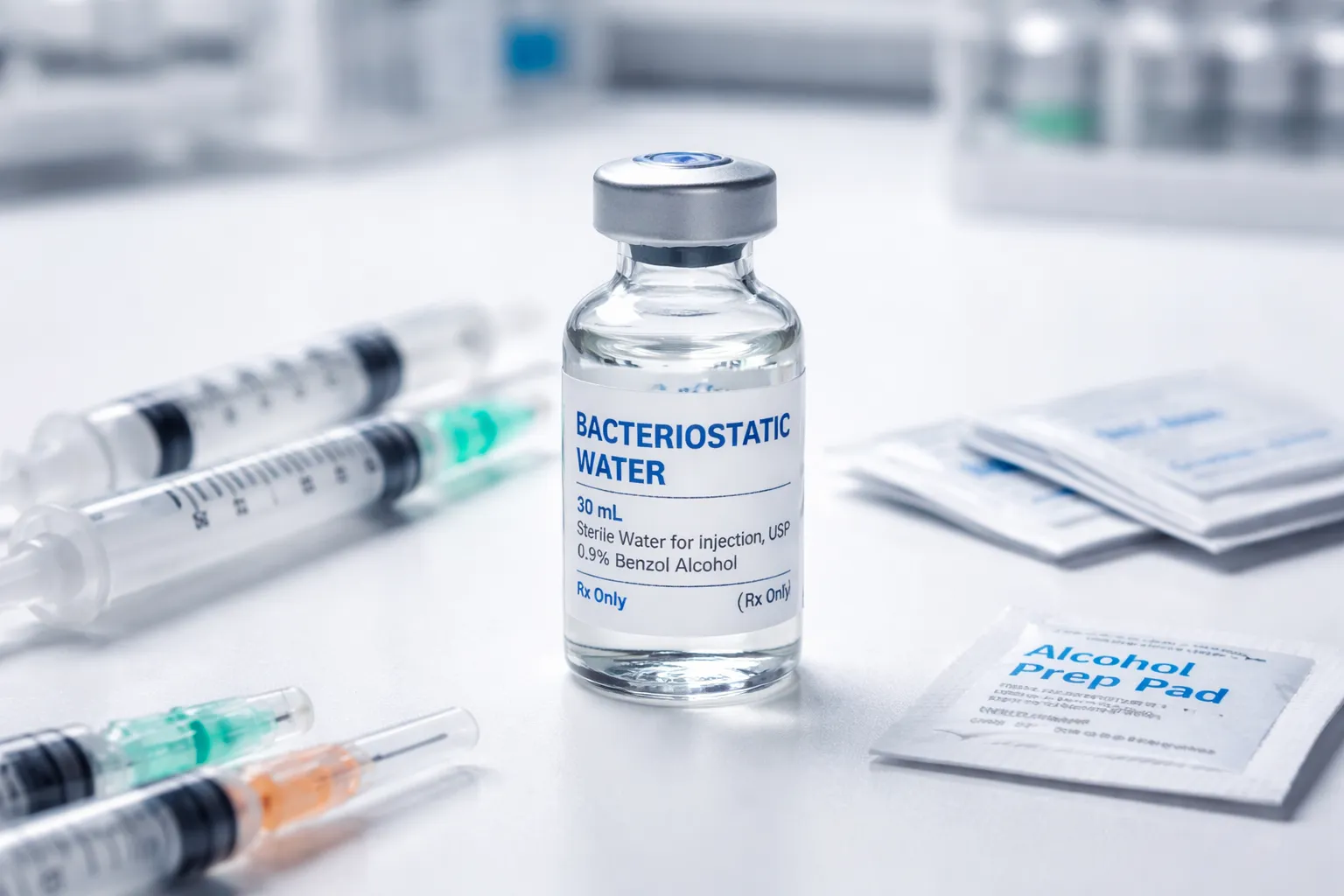
Disclaimer: Bacteriostatic water is sold strictly for research and laboratory use only. It is not intended for human consumption, injection, or any clinical application. This article is provided for educational and informational purposes for professional researchers and academics. Nothing in this content constitutes medical advice, therapeutic recommendation, or encouragement of misuse. Always follow institutional protocols and applicable regulations when handling laboratory reagents.
Bacteriostatic water plays a critical role in peptide research laboratories. It serves as a reliable solvent for reconstituting lyophilized compounds during in vitro and analytical studies. However, improper storage can compromise its sterility and chemical stability. That directly impacts the reliability of experimental outcomes.
This guide covers everything researchers need to know about storing bacteriostatic water properly. You will learn how to identify expiration indicators, maintain sterility, and extend usable shelf life. Every recommendation in this article applies exclusively to professional research and laboratory settings.
Understanding proper storage protocols protects your research investment. It also ensures consistency across experimental trials and reduces the risk of contaminated results.
What Is Bacteriostatic Water?
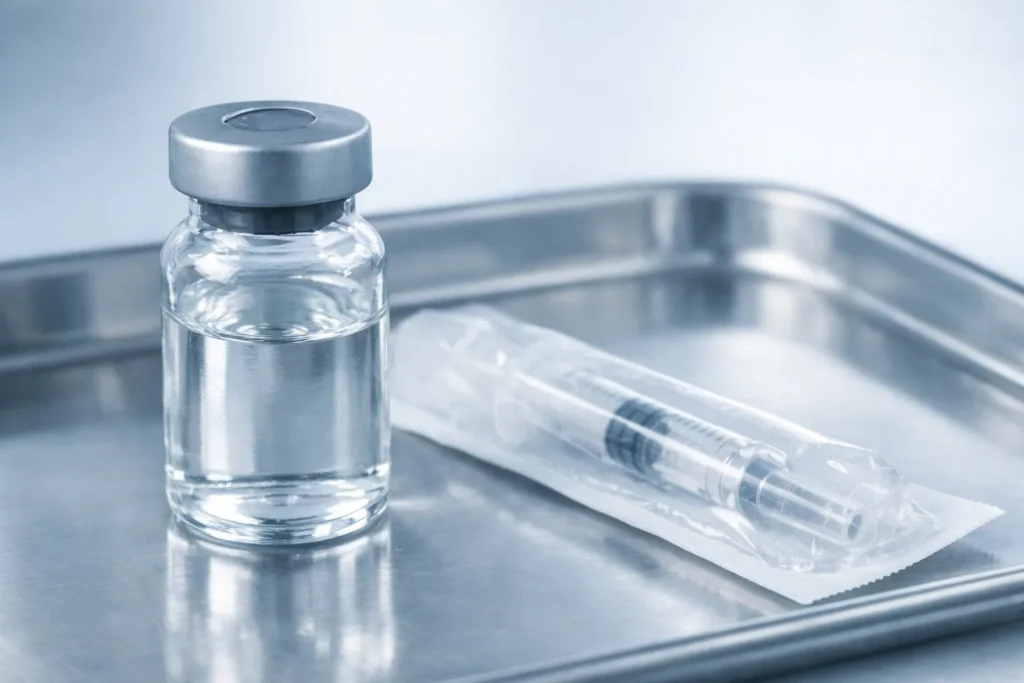
Bacteriostatic water is sterile water that contains 0.9% benzyl alcohol as a preservative. The benzyl alcohol inhibits the growth of most bacteria after the vial has been punctured. This makes it distinct from sterile water for irrigation, which contains no preservative.
Researchers use bacteriostatic water to reconstitute lyophilized peptides and other research compounds. Its preservative properties allow for multiple entries into a single vial. That characteristic makes it a practical and cost-effective option for ongoing laboratory work.
It is important to note that bacteriostatic water is a laboratory reagent. It is not approved for therapeutic or clinical use. Researchers should handle it according to standard laboratory safety protocols at all times.
Why Proper Storage Matters for Research Integrity
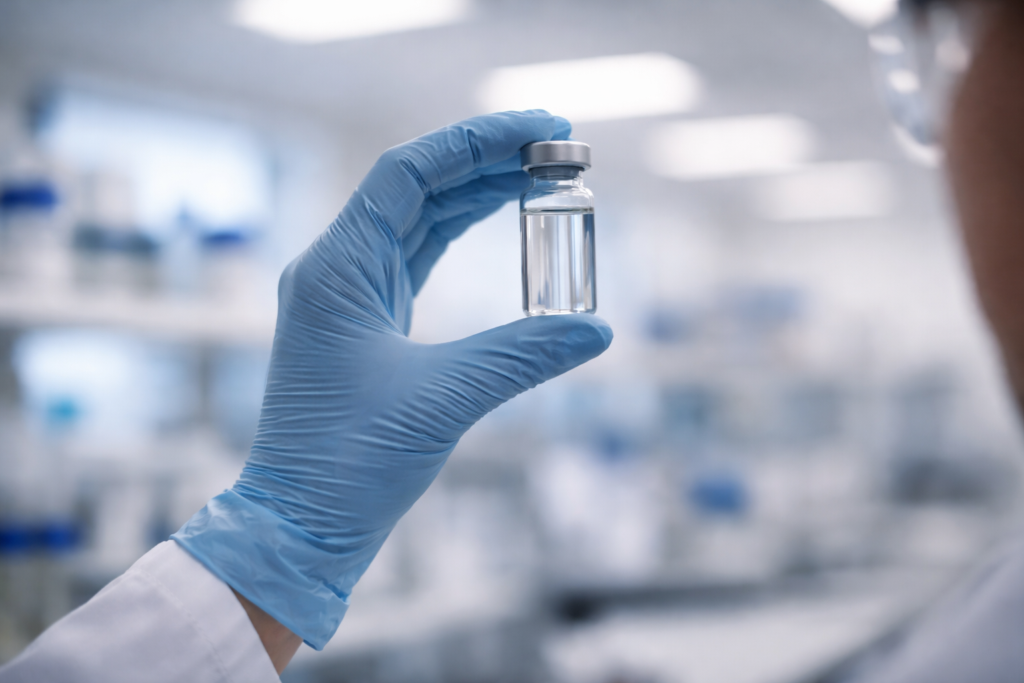
Storage conditions directly affect the quality of bacteriostatic water. Temperature fluctuations, light exposure, and contamination risks can all degrade the solution. When that happens, the water may no longer inhibit bacterial growth effectively.
Compromised bacteriostatic water introduces variables that skew research data. Peptide degradation, unexpected microbial activity, and inconsistent reconstitution results can all follow. These issues waste time, resources, and valuable research compounds.
Maintaining proper storage is not optional in a serious research environment. It is a fundamental component of good laboratory practice (GLP). Every lab should establish and document clear storage protocols for all reagents, including bacteriostatic water.
Optimal Storage Conditions
Temperature
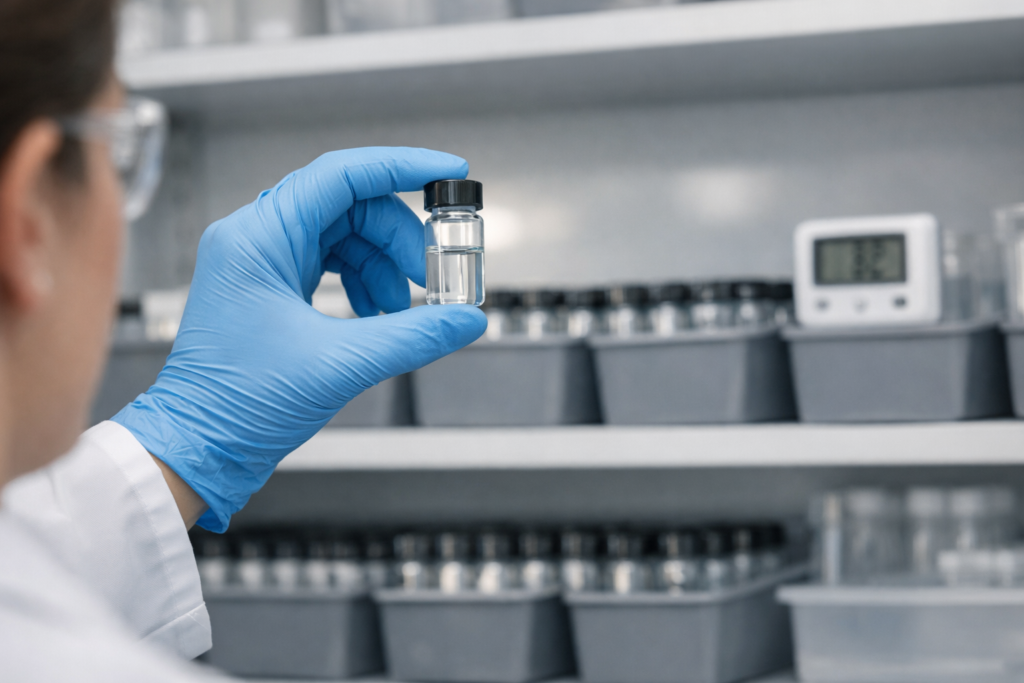
Store bacteriostatic water at controlled room temperature between 20 degrees Celsius and 25 degrees Celsius (68 to 77 degrees Fahrenheit). Brief excursions between 15 and 30 degrees Celsius are generally acceptable per USP guidelines. Avoid freezing bacteriostatic water, as this can compromise the preservative system.
Refrigeration is not typically required for unopened vials. However, some laboratory protocols may call for refrigerated storage after first puncture. Always defer to manufacturer recommendations and your institution’s standard operating procedures.
Light Exposure
Protect bacteriostatic water from direct light exposure. Ultraviolet and visible light can degrade benzyl alcohol over extended periods. Store vials in their original packaging or in opaque containers whenever possible.
Labs with open shelving should consider relocating bacteriostatic water to enclosed cabinets. A simple step like this can meaningfully extend the usable life of the product.
Humidity and Environmental Controls
High humidity environments can compromise label adhesion and make it difficult to read expiration dates. Store bacteriostatic water in a dry, climate-controlled area of the laboratory. Avoid placement near sinks, autoclaves, or other sources of moisture and steam.
Shelf Life: Unopened vs. Opened Vials
Unopened Vials
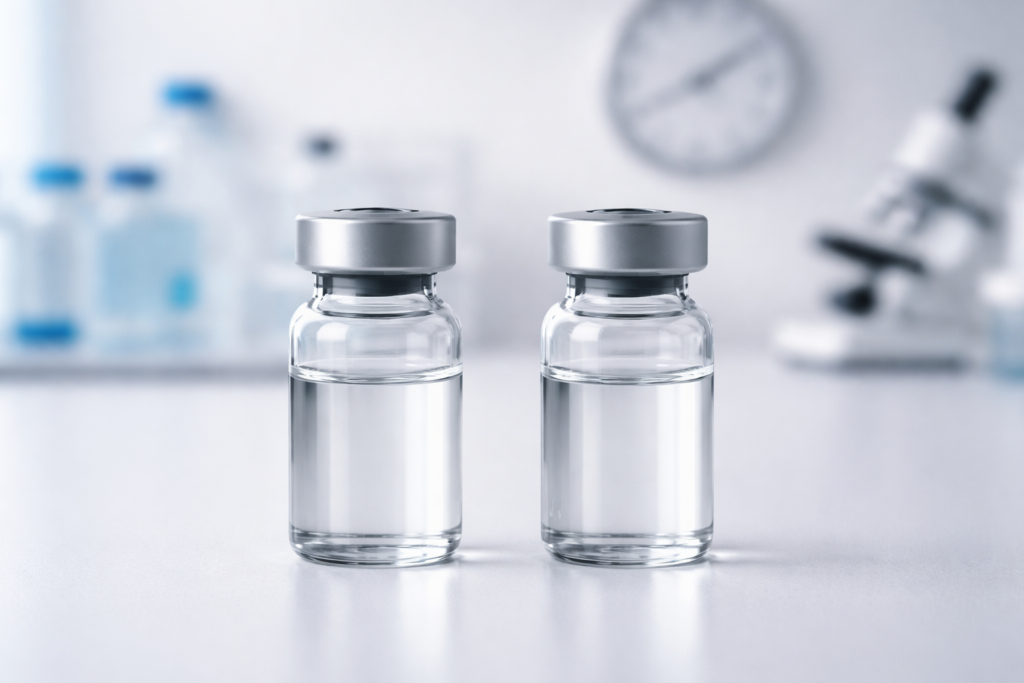
Unopened bacteriostatic water typically carries a manufacturer-assigned expiration date. This date generally falls between two and three years from the date of manufacture. The expiration date assumes proper storage conditions have been maintained throughout.
Always check the expiration date before use. Do not use bacteriostatic water past its printed expiration, even if the vial appears intact. Expired reagents introduce unnecessary risk into experimental protocols.
Opened (Punctured) Vials
Once a vial has been punctured, the shelf life changes significantly. Most manufacturers and laboratory guidelines recommend using opened bacteriostatic water within 28 days. The 28-day window is a widely accepted standard across research and pharmaceutical compounding references.
The benzyl alcohol preservative does inhibit bacterial growth after puncture. However, it does not guarantee indefinite sterility. Each needle puncture introduces a potential contamination pathway. Repeated entries increase cumulative risk over time.
Some researchers document the date of first puncture directly on the vial. This simple practice helps enforce the 28-day usage window. It also supports traceability during audits and protocol reviews.
Signs of Compromised Bacteriostatic Water
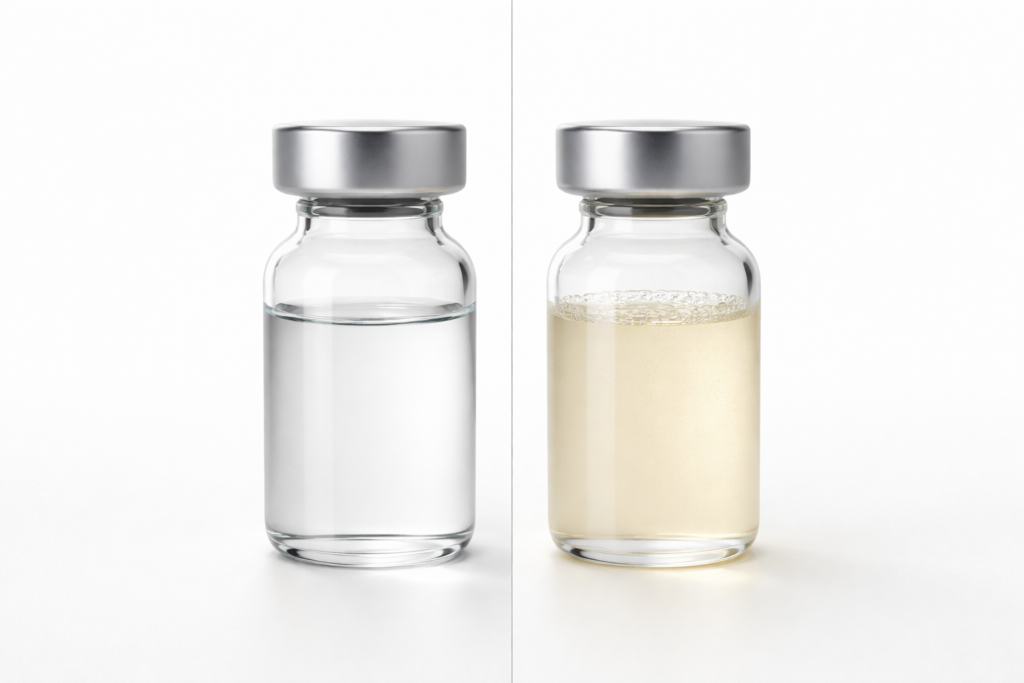
Researchers should visually inspect bacteriostatic water before every use. Discard any vial that shows the following indicators:
Cloudiness or turbidity in the solution suggests microbial contamination. Particulate matter or floating debris indicates a compromised product. Any discoloration from the expected clear, colorless appearance warrants disposal. A damaged or repeatedly punctured rubber stopper may allow environmental contaminants to enter.
When in doubt, discard the vial and open a fresh one. The cost of a new vial is insignificant compared to the cost of compromised research data. Never attempt to filter or “rescue” bacteriostatic water that shows signs of degradation.
Best Practices for Handling and Use
Aseptic Technique
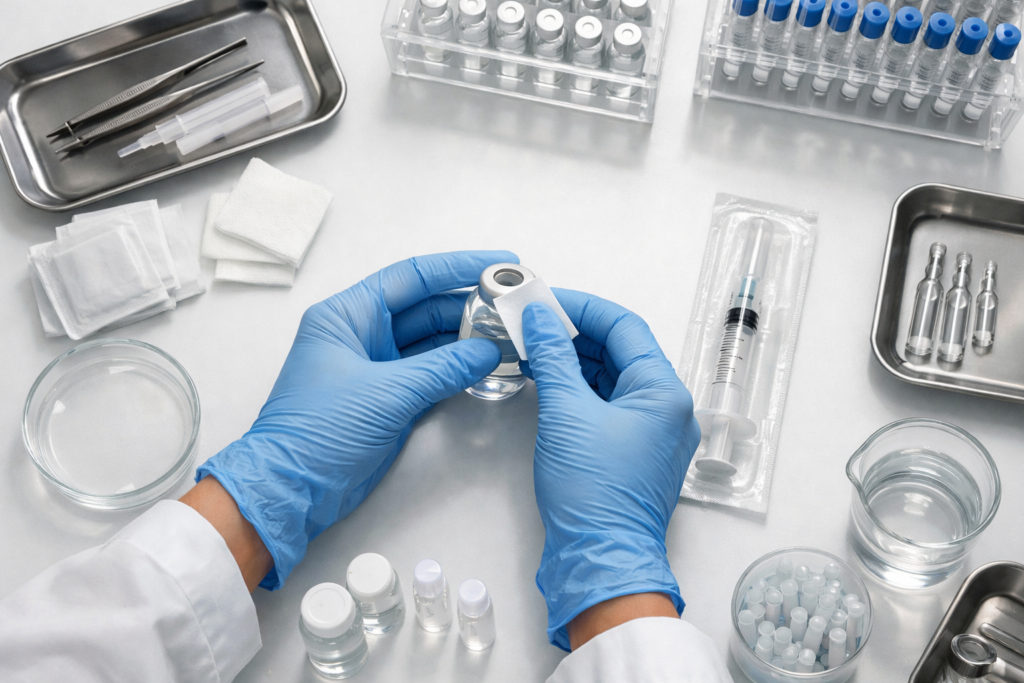
Always use aseptic technique when accessing bacteriostatic water vials. Swab the rubber stopper with 70% isopropyl alcohol before each puncture. Allow the alcohol to dry completely before inserting a needle.
Use a new, sterile needle and syringe for each withdrawal. This minimizes the risk of introducing contaminants into the vial. It also reduces physical damage to the stopper from repeated punctures.
Labeling and Documentation
Label each vial with the date of first puncture immediately after opening. Include the initials of the researcher who opened it. This supports accountability and helps enforce the 28-day discard timeline.
Maintain a reagent log that tracks lot numbers, expiration dates, and storage conditions. This documentation is essential for reproducibility and regulatory compliance. It also simplifies troubleshooting if experimental anomalies arise.
Inventory Management
Implement a first-in, first-out (FIFO) inventory system for bacteriostatic water. Use older stock before newer stock to minimize waste. Conduct regular inventory checks to identify and remove expired vials.
Order quantities that align with your laboratory’s actual consumption rate. Overstocking increases the chance that vials will expire before use. Right-sizing your inventory reduces waste and ensures you always work with fresh reagents.
Common Storage Mistakes to Avoid
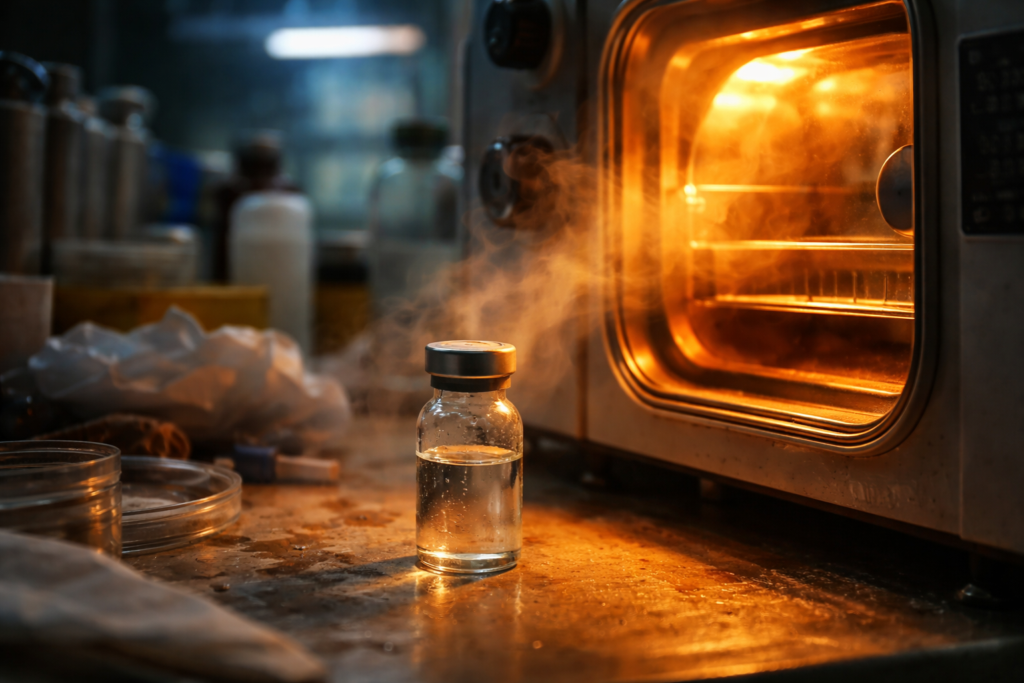
Storing vials near heat sources is a frequent oversight in busy labs. Autoclaves, incubators, and direct sunlight can all elevate temperatures beyond acceptable ranges. Relocate bacteriostatic water away from any heat-generating equipment.
Failing to document the date of first puncture creates uncertainty about usability. Without this information, researchers cannot reliably enforce the 28-day window. Make labeling a mandatory step in your lab’s standard operating procedure.
Using the same needle for multiple withdrawals accelerates stopper degradation. It also increases contamination risk with each entry. Always use a fresh needle, even if the previous withdrawal was moments ago.
Storing opened vials alongside unopened stock without clear differentiation causes confusion. Separate opened and unopened inventory with distinct shelf locations or labeled bins. This prevents accidental use of expired or compromised vials.
How Storage Impacts Peptide Reconstitution Quality
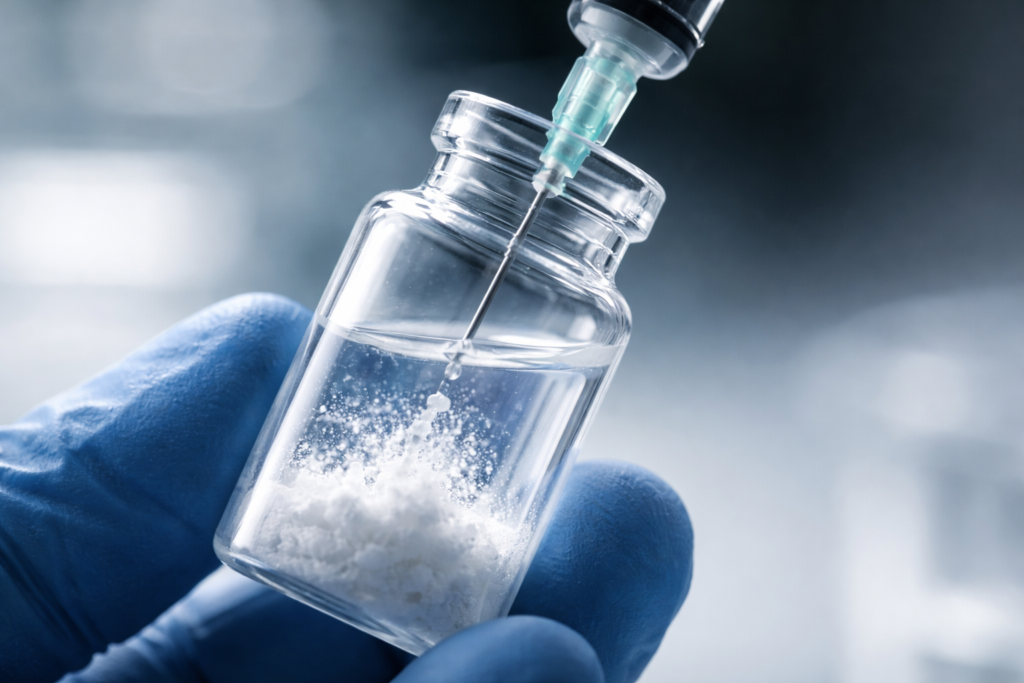
Bacteriostatic water quality directly affects peptide reconstitution outcomes. Degraded or contaminated solvent can cause peptide aggregation, incomplete dissolution, or accelerated degradation. These issues compromise the accuracy of downstream analytical work.
Consistent solvent quality supports reproducible experimental conditions. When every vial of bacteriostatic water meets the same quality standard, one variable is effectively controlled. That consistency strengthens the validity of comparative studies.
Researchers working with sensitive or expensive peptide compounds should be especially diligent. The cost of proper bacteriostatic water storage is minimal. The cost of repeating experiments due to solvent-related failures is not.
Regulatory and Compliance Considerations
Laboratories that handle bacteriostatic water should comply with applicable regulatory frameworks. This includes OSHA workplace safety standards, EPA waste disposal regulations, and institutional biosafety protocols. Consult your institution’s Environmental Health and Safety (EH&S) office for site-specific guidance.
Dispose of expired or compromised bacteriostatic water according to your laboratory’s chemical waste procedures. Do not pour it down the drain unless your institution’s protocols explicitly permit it. Benzyl alcohol, while present in low concentrations, may be subject to local disposal regulations.
Maintain all storage and handling documentation in an accessible, organized format. Regulatory audits may require evidence of proper reagent management. Proactive documentation simplifies the audit process and demonstrates compliance.
Conclusion
Proper storage and shelf life management of bacteriostatic water is not a minor detail. It is a core responsibility for any research laboratory working with reconstituted peptides and lyophilized compounds. Every storage decision you make, from temperature control to light protection to puncture documentation, directly affects the integrity of your experimental data.
Start by auditing your current protocols today. Verify that every opened vial is labeled with a first-puncture date. Confirm that your storage area meets the 20 to 25 degrees Celsius standard and stays free from direct light and heat sources. Train every team member on aseptic withdrawal technique and enforce the 28-day discard rule without exception.
Bacteriostatic water is an affordable reagent. The research compounds it reconstitutes are not. Protect your investment, protect your data, and hold your lab to the standard that reproducible science demands.
Bacteriostatic water is sold strictly for research and laboratory use only. It is not intended for human consumption or clinical application.
Final Disclaimer: All products referenced in this article are intended for laboratory and research use only. They are not for human consumption, therapeutic application, or clinical use. This content does not constitute medical advice. Researchers are responsible for ensuring compliance with all applicable federal, state, and institutional regulations. Consult your institution’s compliance office for guidance specific to your research setting.
Frequently Asked Questions
How long does bacteriostatic water last once opened?
Most manufacturers and laboratory references recommend using bacteriostatic water within 28 days of the first puncture. The benzyl alcohol preservative provides bacterial inhibition, but it does not ensure indefinite sterility. Always label the vial with the date of first use and discard it after 28 days.
Can you freeze bacteriostatic water?
Freezing bacteriostatic water is not recommended. The freeze-thaw cycle can disrupt the preservative system and potentially compromise sterility. Store it at controlled room temperature between 20 and 25 degrees Celsius for best results.
What is the difference between bacteriostatic water and sterile water?
Bacteriostatic water contains 0.9% benzyl alcohol as a bacteriostatic preservative. Sterile water does not contain any preservative. The preservative in bacteriostatic water allows for multiple entries into the same vial, making it more practical for ongoing research use.
How should you store bacteriostatic water in a lab?
Store bacteriostatic water at controlled room temperature, away from direct light and heat sources. Keep it in a dry, climate-controlled area of the lab. Maintain it in its original packaging or an opaque container to protect it from light degradation.
Does bacteriostatic water expire?
Yes. Unopened vials carry a manufacturer-printed expiration date, typically two to three years from production. Once opened, the effective shelf life shortens to approximately 28 days. Always verify the expiration date before use in any research protocol.
What happens if you use expired bacteriostatic water?
Expired bacteriostatic water may no longer effectively inhibit bacterial growth. Using it risks introducing microbial contamination into research compounds. This can lead to unreliable experimental data and wasted research materials.