❌ Not for Human Consumption
●
✅ For Research Use Only
●
All products are intended strictly for laboratory research purposes only
●
❌ Not for Human Consumption
●
✅ For Research Use Only
●
All products are intended strictly for laboratory research purposes only
●

Best Practices For Handling And Storing Pre-Mixed Peptide Solutions In Research Labs

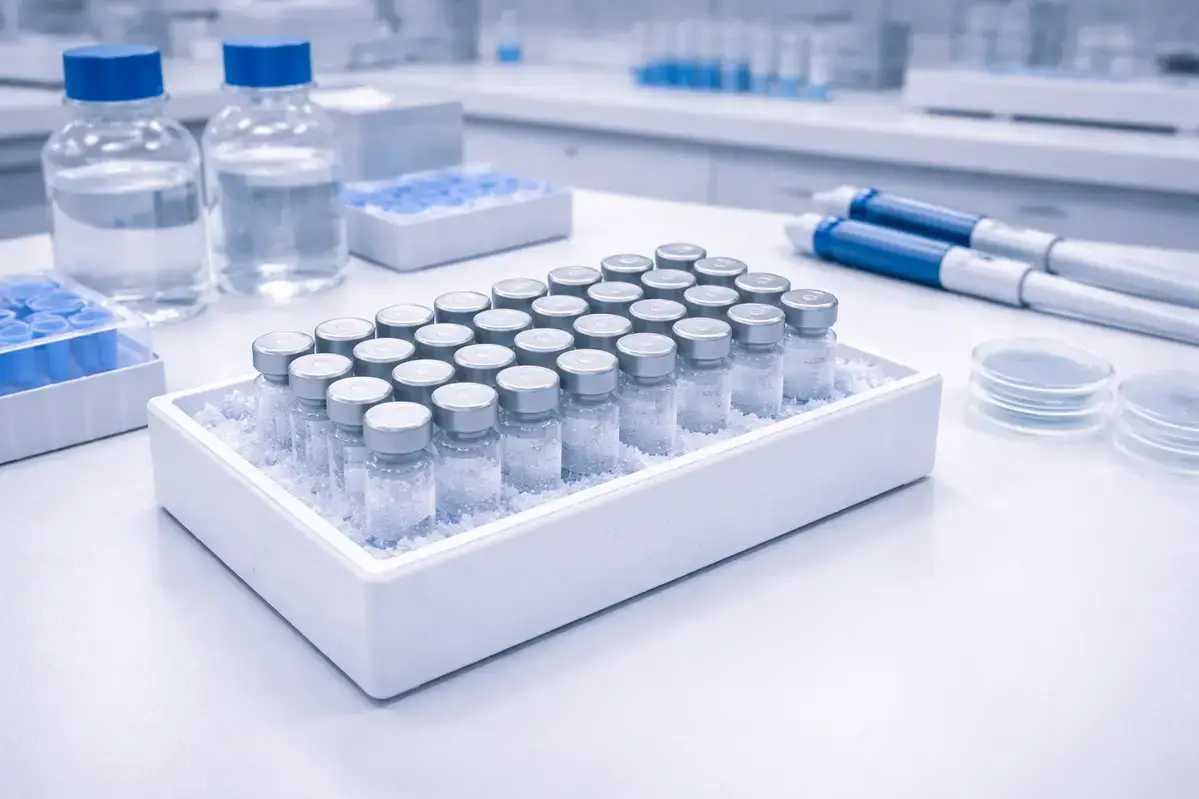
Handling and storing pre-mixed peptide solutions in research labs requires strict temperature control, aseptic technique, proper aliquoting, and routine analytical monitoring to preserve peptide stability and protect experimental reproducibility. Without these controls, synthetic peptide reagents degrade through hydrolysis, oxidation, aggregation, and microbial contamination, leading to unreliable assay results and compromised data integrity.
The best practices for pre-mixed peptide solution storage include refrigerating short-term supplies at 2 to 8 degrees Celsius, holding medium-term stock at negative 20 degrees Celsius, and placing long-term inventory at negative 80 degrees Celsius. Researchers should aliquot solutions into single-use volumes after the first controlled thaw, work exclusively inside laminar flow hoods or biological safety cabinets, protect vials from light exposure, and verify purity at regular intervals using reversed-phase HPLC and mass spectrometry.
This guide gives professional researchers and academic scientists a complete, step-by-step framework for managing research-grade peptide solutions from shipment receipt through final disposal. Whether your laboratory is scaling an in vitro binding assay, standardizing reconstitution protocols, or building out peptide reagent SOPs for the first time, every protocol below is designed to maximize compound shelf life, safeguard sample quality, and strengthen the reproducibility of your experimental outcomes.
Disclaimer: The peptide research compounds discussed in this article are sold strictly for in vitro research and laboratory use only. These products are not intended for human consumption, veterinary use, or any clinical application. They are not drugs, supplements, or food products. All purchasers must be qualified researchers operating within accredited institutions. Nothing in this article constitutes medical advice or makes therapeutic claims of any kind.
Why Proper Peptide Solution Handling Matters in the Lab
Peptides are inherently sensitive biomolecules. Their structural integrity depends on maintaining specific environmental conditions throughout every phase of use. Factors such as temperature fluctuation, light exposure, pH shifts, microbial contamination, and repeated freeze-thaw cycles all accelerate peptide degradation and aggregation.
When a pre-mixed peptide solution loses potency or undergoes structural change, the downstream consequences for experimental reproducibility are significant. Inconsistent assay results, failed binding studies, and unreliable data sets trace back to compromised reagent quality more often than many labs initially suspect.
For research-grade peptide compounds, which feature complex amino acid sequences and specific folding requirements, these risks are amplified. Taking a disciplined approach to peptide storage and handling directly supports data accuracy, experimental validity, and efficient use of laboratory resources.
All peptide compounds referenced in this article pertain exclusively to their use as in vitro research reagents. These compounds are not marketed, sold, or intended for human ingestion or any therapeutic application.
Receiving and Inspecting Pre-Mixed Peptide Shipments
The handling process begins before you ever open the vial. Follow these steps when a peptide shipment arrives at your facility.
Verify Cold Chain Integrity
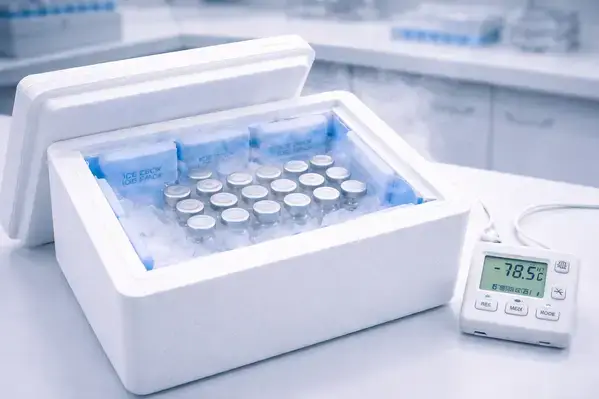
Confirm that the shipping container maintained the appropriate temperature range during transit. Most research-grade peptide solutions ship on dry ice or with gel packs designed to hold temperatures between 2 and 8 degrees Celsius. Check temperature indicator strips or data loggers included in the package. If there is evidence that the cold chain was broken, document the discrepancy and contact the supplier before incorporating the material into active experiments.
Inspect Packaging and Labeling
Examine each vial for cracks, leaks, or compromised seals. Verify that the label matches your purchase order, including the peptide identity, lot number, concentration, solvent composition, and expiration date. Accurate record-keeping at this stage supports traceability and helps maintain compliance with institutional laboratory standards.
Log Inventory Immediately
Enter each received vial into your laboratory inventory management system with the date, lot number, storage location, and quantity. Robust inventory tracking prevents accidental use of expired reagents and supports audit readiness for institutional review.
Optimal Storage Conditions for Pre-Mixed Peptide Solutions
Storage is the single most controllable variable in maintaining peptide solution quality over time. The following protocols reflect widely accepted standards for synthetic peptide research reagents.
Temperature Requirements
Store pre-mixed peptide solutions according to the supplier’s certificate of analysis (COA). General guidelines for most reconstituted or pre-mixed research peptides include:
- Short-term storage (up to 7 days): Refrigerate at 2 to 8 degrees Celsius. This range slows hydrolysis and oxidation while keeping the solution in liquid form for immediate experimental access.
- Medium-term storage (1 to 4 weeks): Store at negative 20 degrees Celsius. At this temperature, most peptide solutions remain stable with minimal degradation when protected from repeated freeze-thaw events.
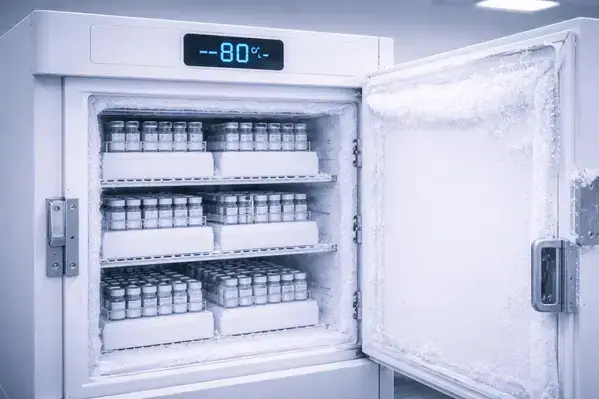
- Long-term storage (beyond 4 weeks): Store at negative 80 degrees Celsius for maximum shelf life. Ultra-low temperature storage significantly reduces the rate of chemical degradation and microbial growth.
For pre-mixed research peptide solutions specifically, always defer to the supplier’s documented storage recommendations, as formulation buffers and stabilizers can influence optimal temperature ranges.
Protect from Light Exposure
Many peptide bonds and amino acid residues are photosensitive. Tryptophan, tyrosine, and methionine residues are particularly vulnerable to light-induced oxidation. Store all peptide solution vials in amber glass containers or wrap clear vials in aluminum foil. Keep samples in opaque storage boxes within your freezer or refrigerator unit.
Minimize Freeze-Thaw Cycles
Each freeze-thaw cycle introduces mechanical stress that can disrupt peptide secondary structure and promote aggregation. Limit freeze-thaw events to no more than three cycles for most research peptide preparations. The most effective strategy is to aliquot your solution upon first thaw, which is covered in detail below.
Aliquoting: A Non-Negotiable Lab Practice
Aliquoting is one of the most impactful steps you can take to preserve the quality of pre-mixed peptide solutions over the life of your project.
How to Aliquot Peptide Solutions Effectively
- Thaw the stock solution at 2 to 8 degrees Celsius (not at room temperature or in a warm water bath, as rapid temperature shifts accelerate degradation).
- Gently mix the thawed solution by slow inversion or brief, low-speed vortexing. Avoid vigorous agitation, which can cause foaming and surface denaturation of the peptide.
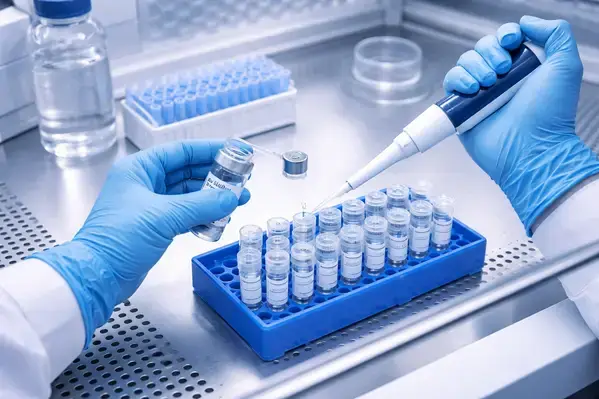
- Dispense measured volumes into pre-labeled, sterile microcentrifuge tubes or cryovials. Choose aliquot sizes that match typical single-use volumes for your experimental protocols.
- Flash-freeze aliquots in liquid nitrogen or place them directly into your negative 80 degrees Celsius freezer.
- Update your inventory log to reflect the number of aliquots created, individual volumes, and their storage location.
Why Aliquoting Protects Your Research Investment
By dividing a stock solution into single-use portions, you eliminate the need to repeatedly freeze and thaw the same vial. This preserves the structural integrity of the peptide, reduces the risk of microbial contamination from repeated cap removal, and ensures that each aliquot delivers a consistent and reliable concentration for your assays.
Maintaining Sterile Technique Throughout Handling
Contamination is a persistent threat to peptide solution quality. Even low levels of bacterial or fungal growth can introduce proteases that rapidly degrade your research compounds.
Key Sterile Handling Practices
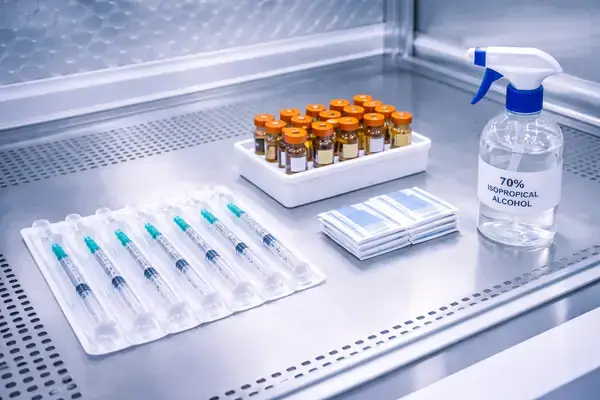
- Work in a laminar flow hood or biological safety cabinet whenever opening peptide vials or transferring solution between containers.
- Use sterile, single-use syringes and needles for all transfers. Never reuse dispensing equipment between different peptide lots.
- Sanitize gloved hands and work surfaces with 70% isopropyl alcohol before and after each handling session.
- Avoid touching vial openings or needle tips to any non-sterile surface.
- Cap or seal vials immediately after withdrawing the required volume.
Incorporating bacteriostatic water or appropriate antimicrobial agents into your reconstitution solvent (where compatible with your experimental design) provides an additional layer of protection against microbial contamination during storage.
Monitoring Peptide Solution Stability Over Time
Even under ideal storage conditions, peptide solutions can undergo gradual changes. Implement a routine stability monitoring protocol to catch degradation early and protect the validity of your experimental data.
Recommended Analytical Methods
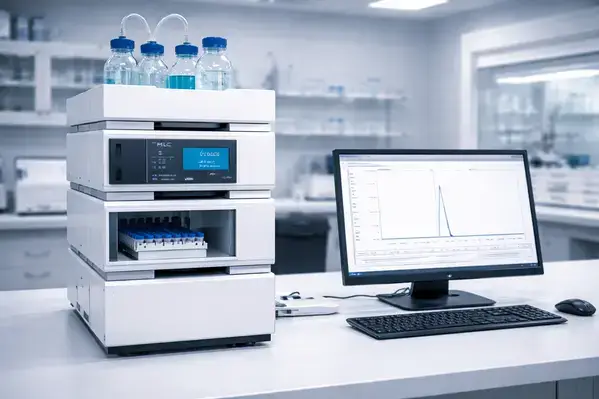
- Reversed-phase HPLC (RP-HPLC): The standard technique for assessing peptide purity and detecting degradation products. Run periodic purity checks against your initial COA values.
- Mass spectrometry (MS): Confirms molecular weight and identifies specific degradation pathways such as deamidation, oxidation, or disulfide scrambling.
- Visual inspection: Check for turbidity, precipitation, or color changes before each use. Any visible change warrants further analytical testing before proceeding with experiments.
- pH measurement: Shifts in pH can indicate buffer degradation or chemical changes in the solution. Compare against the original formulation specifications.
Establishing a Testing Schedule
For active research projects, verify peptide purity and concentration at the following intervals:
- Upon receipt and initial aliquoting
- At 30-day intervals for refrigerated stock solutions
- Before beginning any critical or high-value assay
- Whenever a vial has been inadvertently exposed to non-standard conditions
Document all stability data in your electronic lab notebook (ELN) or paper records. This documentation supports reproducibility, institutional compliance, and peer review transparency.
Proper Labeling and Documentation Standards
Clear, consistent labeling prevents mix-ups and supports regulatory compliance within your research institution.
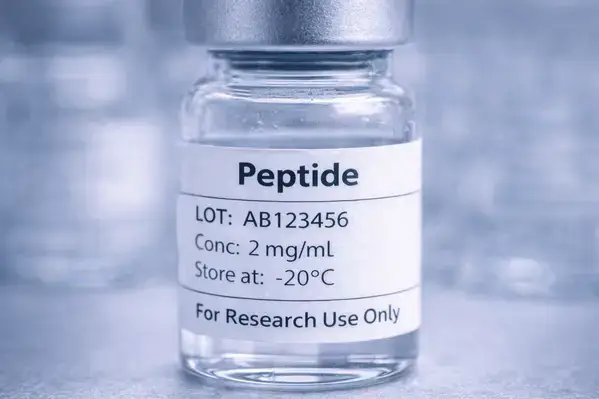
What Every Peptide Vial Label Should Include
- Peptide name and catalog identifier
- Lot number
- Concentration and total volume
- Solvent or buffer composition
- Date of reconstitution or receipt
- Storage temperature requirement
- Expiration or retest date
- The statement: “For Research Use Only. Not for Human Consumption.”
Record-Keeping Best Practices
Maintain a chain-of-custody log for all research-grade peptide reagents. Record who accessed each vial, when, and for which experiment. This level of traceability is essential for GLP (Good Laboratory Practice) compliance and supports data integrity during audits or institutional reviews.
Disposal of Expired or Degraded Peptide Solutions
Research compounds that have exceeded their labeled shelf life or failed stability testing must be disposed of according to your institution’s chemical waste management protocols.
- Never pour peptide solutions down the drain. Follow your institution’s hazardous waste or chemical waste disposal procedures.
- Label waste containers clearly with the compound identity and any associated hazards.
- Document disposal in your inventory system, noting the lot number, quantity, reason for disposal, and date.
Proper disposal practices protect laboratory personnel, maintain environmental compliance, and demonstrate responsible stewardship of research materials.
Common Mistakes That Compromise Peptide Solution Quality
Awareness of frequent errors helps laboratory teams build better habits and protect valuable research reagents.
Thawing at room temperature. Rapid warming promotes peptide degradation and condensation inside the vial. Always thaw slowly at 2 to 8 degrees Celsius.
Skipping aliquoting. Researchers who repeatedly freeze and thaw a single stock vial introduce cumulative damage. Invest the time to aliquot on day one.
Using non-sterile equipment. Even brief contact with a contaminated pipette tip can introduce proteolytic enzymes that destroy your peptide within hours.
Ignoring expiration dates. Expired reagents may still appear visually acceptable but could have undergone significant chemical degradation. Always verify analytical purity before using aged solutions.
Storing incompatible compounds together. Some buffers and additives are not compatible across peptide types. Verify compatibility before co-storing or mixing solutions.
Neglecting equipment calibration. Freezer and refrigerator temperatures drift over time. Calibrate storage units regularly and use continuous temperature monitoring with alarm systems.
Building a Lab Culture Around Reagent Integrity
Peptide handling is a team effort. Even the best protocols fail if they are not consistently followed by every member of the laboratory group.
- Train all lab personnel on peptide handling SOPs before they access research reagent stocks.
- Post quick-reference handling guides near storage units and biosafety cabinets.
- Conduct periodic audits of storage conditions, labeling accuracy, and inventory records.
- Encourage a reporting culture where team members flag potential storage lapses without fear of blame.
Building these habits into your laboratory’s daily operations protects data quality, supports compliance, and maximizes the useful life of every research compound in your inventory.
Conclusion
Every peptide-based experiment is only as reliable as the reagents behind it. The protocols outlined in this guide give your laboratory team a clear, repeatable framework for protecting pre-mixed peptide solutions from the moment they arrive at your facility through final disposal. Prioritize cold chain verification on receipt, aliquot stock solutions immediately to eliminate unnecessary freeze-thaw cycles, and enforce strict aseptic technique during every transfer. Back up these physical controls with routine analytical monitoring through RP-HPLC and mass spectrometry so degradation never goes undetected. Consistent labeling, thorough documentation, and a well-trained team tie everything together and keep your lab audit-ready at all times. Treat these practices not as suggestions but as standard operating procedures embedded into daily workflows. When reagent integrity is protected at every step, your data speaks for itself and your research moves forward with confidence.
FAQs
What is the best temperature to store pre-mixed peptide solutions for long-term research use?
For long-term storage beyond four weeks, place pre-mixed peptide solutions at negative 80 degrees Celsius to significantly slow chemical degradation and microbial activity. Short-term storage of up to seven days is acceptable at 2 to 8 degrees Celsius, while medium-term storage of one to four weeks calls for negative 20 degrees Celsius. Always confirm the supplier’s certificate of analysis for compound-specific temperature recommendations before defaulting to general guidelines.
Why is aliquoting peptide solutions considered essential in research laboratories?
Aliquoting divides a stock solution into single-use portions, which eliminates the damaging effects of repeated freeze-thaw cycles on peptide secondary structure. Each cycle introduces mechanical stress that promotes aggregation, reduces potency, and increases the likelihood of microbial contamination from repeated vial access. Prepare your aliquots immediately after the first controlled thaw and flash-freeze them to preserve consistent concentration and structural integrity across every experiment.
How often should researchers test the stability of stored peptide solutions?
Run purity and concentration checks upon receipt, at 30-day intervals for refrigerated stock solutions, and before any high-value or critical assay. Use reversed-phase HPLC to compare current purity against your initial certificate of analysis values, and supplement with mass spectrometry to identify specific degradation pathways like deamidation or oxidation. Any vial exposed to non-standard conditions, such as a freezer malfunction or accidental room-temperature thaw, should be retested immediately before use.
What sterile handling techniques should be followed when working with peptide research reagents?
Open peptide vials exclusively inside a laminar flow hood or biological safety cabinet, and use sterile, single-use syringes and needles for every transfer. Sanitize gloved hands and all work surfaces with 70% isopropyl alcohol before and after each handling session, and cap vials immediately after withdrawing your required volume. These steps prevent the introduction of proteases from bacterial or fungal contamination that can rapidly degrade your research compounds.
How should expired or degraded peptide solutions be disposed of in a research setting?
Follow your institution’s chemical waste management protocols and never pour peptide solutions down the drain. Label all waste containers clearly with the compound identity, lot number, associated hazards, and reason for disposal. Record every disposal event in your laboratory inventory system to maintain full traceability and ensure compliance with environmental regulations and institutional review requirements.