❌ Not for Human Consumption
●
✅ For Research Use Only
●
All products are intended strictly for laboratory research purposes only
●
❌ Not for Human Consumption
●
✅ For Research Use Only
●
All products are intended strictly for laboratory research purposes only
●

Designing In Vitro Experiments With BPC-157 + TB-500

Written By: Gary Hite, Research Content Writer
Reviewed By: Natalie Kunsman, M.D., Board-Certified Physician
Last Reviewed: August 10, 2026
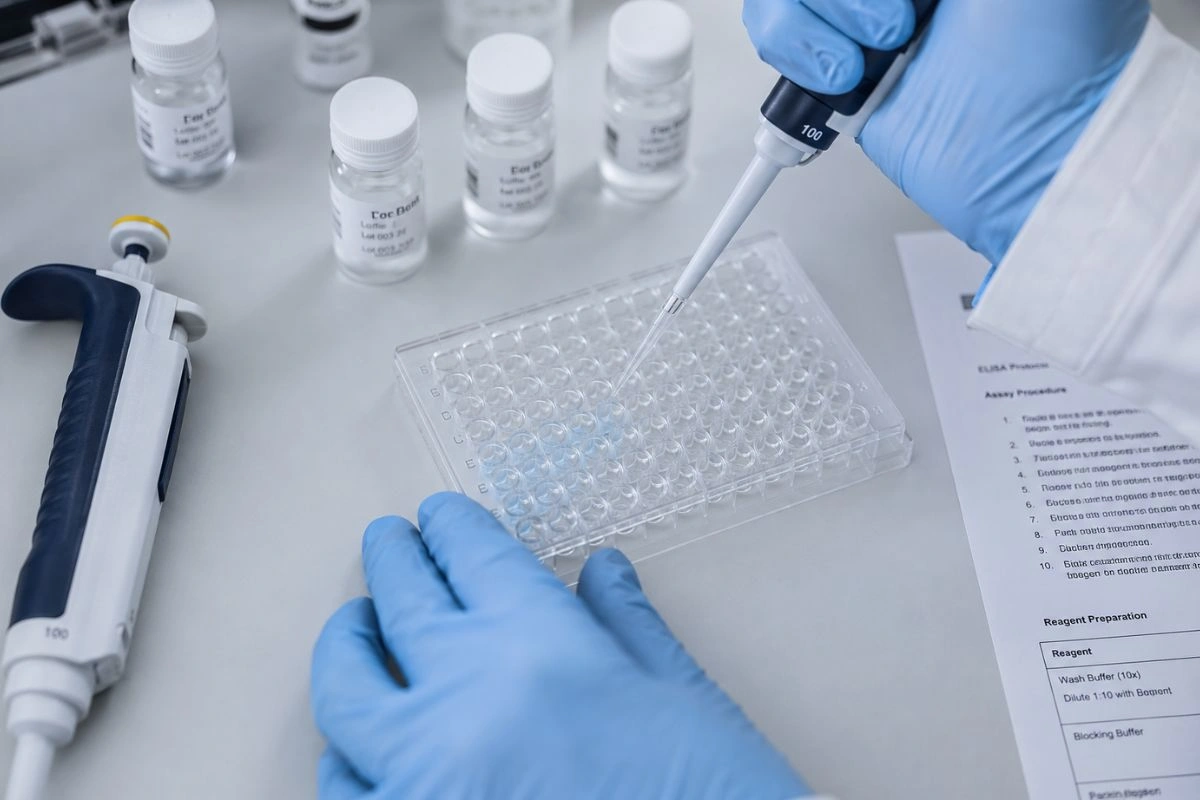
In vitro experimentation remains a foundational step in peptide science. Before any compound moves into more advanced stages of investigation, controlled laboratory work at the cellular and molecular level helps researchers build a clearer picture of peptide behavior, interaction dynamics, and potential mechanisms of action. When working with multi-peptide formulations such as BPC-157 + TB-500, the complexity of experimental design increases, and so does the importance of methodological rigor.
For academic and professional researchers, understanding how to structure these experiments is not optional. It is essential. This article breaks down the critical considerations for designing in vitro studies that involve multi-peptide compounds, with a specific focus on BPC-157 + TB-500.
Disclaimer: BPC 157 + TB 500 is sold strictly for research purposes only. This compound is not intended for human consumption, therapeutic application, or diagnostic use. The following content is provided solely for educational and informational purposes directed at professional researchers and academic investigators. Nothing in this article constitutes medical advice or a claim of therapeutic benefit.
Understanding the Individual Peptide Profiles
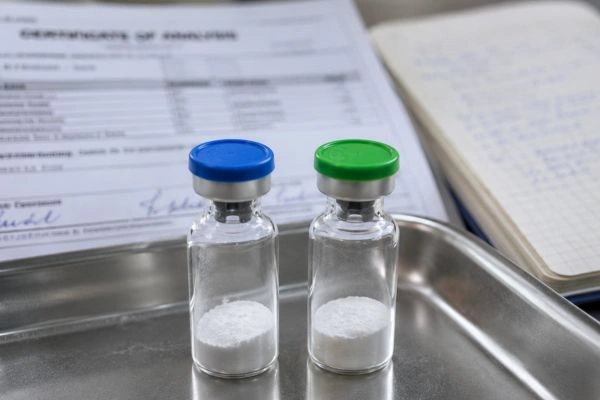
Before combining peptides in a research protocol, investigators should first establish a thorough understanding of each peptide independently. BPC 157 is a synthetic pentadecapeptide derived from a partial sequence of body protection compounds found in gastric juice. TB 500, a synthetic fraction of the naturally occurring protein thymosin beta-4, has been studied in laboratory settings for its role in cellular processes such as migration and differentiation.
Both peptides have been subjects of published preclinical research. However, combining them introduces variables that single-peptide studies do not address. Researchers should review the existing literature on each peptide individually before proceeding with a combined experimental framework.
Important Note: BPC-157 + TB-500 is intended for laboratory research use only and is not approved for human consumption by the FDA or any regulatory body.
Key Variables in Multi-Peptide In Vitro Design
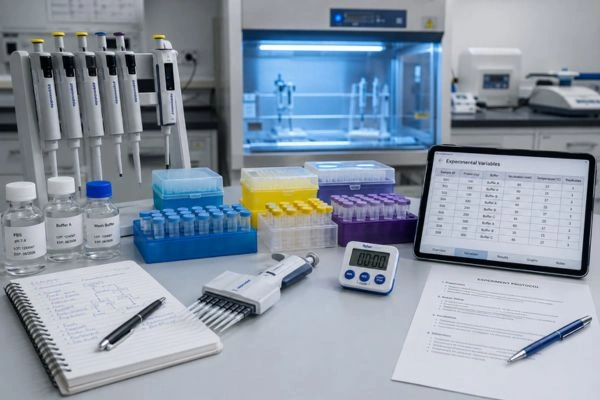
Designing experiments with multi-peptide compounds requires attention to several critical variables. Below are the primary considerations researchers should evaluate when planning their protocols.
Concentration and Dose-Response Mapping
Establishing an accurate dose-response curve for each peptide individually is a prerequisite. Researchers should then test multiple concentration ratios of BPC 157 to TB 500 to observe how the combined formulation behaves relative to each peptide in isolation. Serial dilution assays and cell viability studies are practical starting points for this phase of investigation.
Selecting Appropriate Cell Lines
Cell line selection has a direct impact on the relevance and reproducibility of in vitro results. The choice of cell type should align with the research question. For instance, fibroblast cell lines, endothelial cell cultures, and musculoskeletal cell models have appeared frequently in published preclinical peptide studies. Researchers should document the passage number, source, and culture conditions of any cell lines used to support reproducibility.
Timing and Exposure Duration
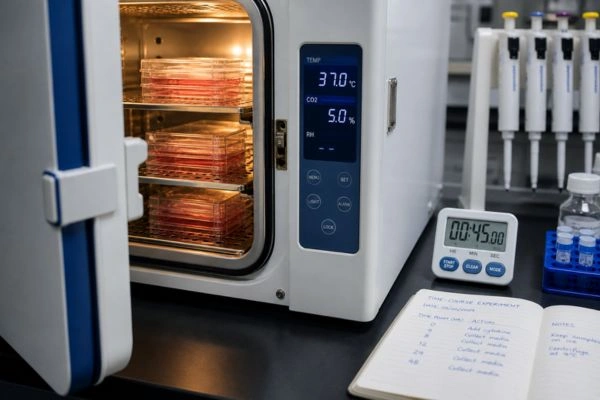
The duration of peptide exposure in an in vitro setting can significantly influence observed outcomes. Researchers should design time-course experiments that assess cellular responses at multiple intervals. Short-term exposure windows (such as 24 to 48 hours) and extended exposure protocols (72 hours or more) can yield different data sets. Both are valuable in building a comprehensive activity profile.
Buffer Compatibility and Solubility
Peptide stability in the selected buffer or culture medium is a factor that is sometimes overlooked. BPC 157 and TB 500 may exhibit different solubility characteristics, and their combined behavior in solution should be verified prior to conducting biological assays. Researchers should confirm peptide integrity through methods such as high-performance liquid chromatography (HPLC) or mass spectrometry before and after incubation.
Controls and Reproducibility Standards
Strong experimental design demands robust controls. Each experiment involving BPC-157 + TB-500 should include negative controls (untreated cells), positive controls (where applicable), single-peptide controls (BPC 157 alone and TB 500 alone), and the combined formulation at varying concentrations. Without proper controls, it becomes difficult to attribute observed effects to the multi-peptide compound rather than to individual components or external variables.
Analytical Methods for Evaluating Results
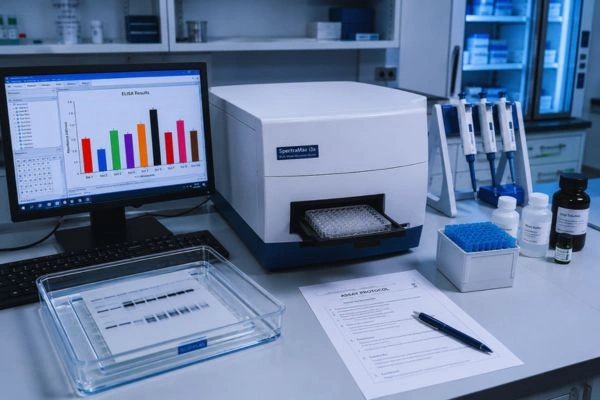
Selecting the right analytical endpoints is just as important as designing the exposure protocol. Common in vitro analytical methods relevant to peptide research include cell proliferation assays (such as MTT or WST-1), migration assays (such as scratch or transwell assays), gene expression analysis via qPCR, protein quantification through Western blot or ELISA, and flow cytometry for cell cycle or apoptosis analysis.
Each method provides a different lens through which to evaluate peptide activity. Researchers should align their choice of analytical tools with their specific hypothesis and ensure that all instruments are properly calibrated and validated.
Documentation and Compliance in Peptide Research
Maintaining detailed laboratory records is a non-negotiable aspect of professional research. Every experiment involving BPC-157 + TB-500 should be documented with complete records of compound sourcing, lot numbers, preparation protocols, environmental conditions, and raw data outputs. This documentation supports not only reproducibility but also regulatory compliance.
Researchers should also be aware of institutional guidelines and ethical review requirements that may apply to their specific area of study. While in vitro research generally carries fewer regulatory requirements than in vivo studies, institutional biosafety committees and research ethics boards may still require notification or approval.
Sourcing Research-Grade Peptides
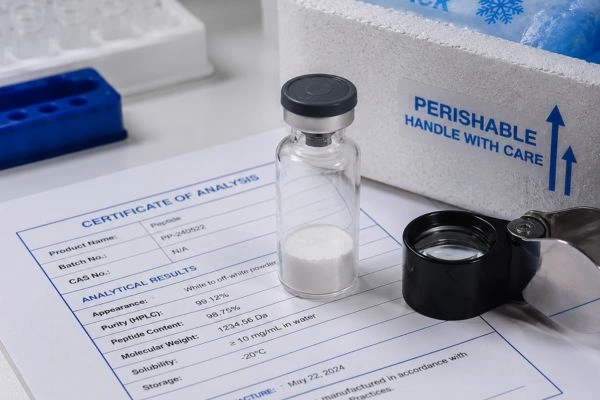
The quality of peptide compounds used in research directly affects the validity of experimental results. When sourcing BPC-157 + TB-500 for in vitro studies, investigators should verify that the supplier provides certificates of analysis (COA), third-party purity testing, and batch-specific documentation. Research-grade peptides should meet a minimum purity threshold, typically 98% or higher, to reduce the risk of confounding variables introduced by impurities.
All peptides purchased and used should be handled, stored, and disposed of in accordance with applicable laboratory safety standards and institutional protocols.
Moving Forward With Rigorous Experimental Design
Multi-peptide in vitro research is a growing area of interest within the broader peptide science community. For researchers working with BPC-157 + TB-500, the path to meaningful data begins with careful planning, proper controls, validated analytical methods, and thorough documentation. By addressing each of the considerations outlined above, investigators can build experimental frameworks that produce reliable, reproducible, and scientifically valuable results.
Approach each experiment with precision, and let the data guide the next steps in your research program.
Conclusion
Designing in vitro experiments with BPC-157 + TB-500 demands more than standard single-peptide protocols. Researchers must account for compounded variables, from concentration ratios and cell line selection to buffer compatibility and exposure timing, that directly shape the quality and interpretability of results. Every decision in the experimental framework either strengthens or undermines the data that follows. Prioritize dose-response mapping for each peptide individually before testing combined formulations. Build in single-peptide controls alongside negative and positive controls at every stage. Validate peptide integrity before and after incubation using HPLC or mass spectrometry. Select analytical endpoints that align precisely with your hypothesis, and document every step with enough detail to allow full replication. Rigorous design is not a suggestion, it is the baseline requirement for producing data the research community can build on. Start with discipline, and let your results speak.
Final Disclaimer: BPC 157 + TB 500 is sold exclusively for research purposes. It is not a drug, supplement, food product, or therapeutic agent. This product is not intended for human consumption and has not been approved by the FDA for any clinical application. All handling, storage, and use of this compound must comply with applicable local, state, and federal regulations. This article is intended for licensed researchers and academic professionals only.
Frequently Asked Questions
Why should I test BPC-157 and TB-500 individually before combining them?
Establish each peptide’s independent dose-response profile first. Without single-peptide baseline data, you cannot determine whether observed effects in the combined formulation result from synergistic interaction, additive behavior, or the activity of just one component. Run individual serial dilution assays and cell viability tests before introducing the multi-peptide variable.
Which cell lines are most commonly used in BPC-157 + TB-500 in vitro research?
Fibroblast cell lines, endothelial cell cultures, and musculoskeletal cell models appear most frequently in published preclinical peptide studies. Select your cell type based on your specific research question, and always document passage number, source, and culture conditions to support reproducibility across experiments.
How do I verify peptide stability in my culture medium before running assays?
Confirm peptide integrity using high-performance liquid chromatography (HPLC) or mass spectrometry both before and after incubation in your selected buffer or medium. BPC-157 and TB-500 may behave differently in solution, so test their combined solubility and stability under your exact experimental conditions before proceeding to biological assays.
What exposure durations should I include in my experimental design?
Design time-course experiments that capture both short-term (24-48 hours) and extended (72+ hours) exposure windows. Different durations can produce significantly different cellular responses. Include multiple time points to build a comprehensive activity profile rather than relying on a single snapshot of peptide behavior.
What minimum purity standard should I require when sourcing research-grade BPC-157 + TB-500?
Require a minimum purity of 98% or higher, verified through certificates of analysis and third-party testing. Request batch-specific documentation from your supplier. Lower purity introduces impurities that act as confounding variables, directly compromising the validity of your experimental results. Store and handle all peptides according to institutional laboratory safety protocols.