❌ Not for Human Consumption
●
✅ For Research Use Only
●
All products are intended strictly for laboratory research purposes only
●
❌ Not for Human Consumption
●
✅ For Research Use Only
●
All products are intended strictly for laboratory research purposes only
●

ARA-290: Erythropoietin-Derived Peptide Research Overview

Written By: Gary Hite, Research Content Writer
Reviewed By: Natalie Kunsman, M.D., Board-Certified Physician
Last Reviewed: July 5, 2026
ARA-290 binds the innate repair receptor but skips the classical EPO receptor entirely. That single property is the reason researchers separated it from erythropoietin’s hematopoietic activity in the first place. Investigators wanted EPO’s specialized receptor signaling without raising hematocrit. Cibinetide, the generic name for ARA-290, was engineered to do exactly that.
The compound continues to appear in academic inflammation and neuropathy literature more than fifteen years after its initial characterization. This overview summarizes its structure, receptor pharmacology, documented research areas, and laboratory handling considerations for qualified investigators.
Disclaimer: ARA-290 (cibinetide) is sold and distributed strictly for research purposes only. It is not for human consumption, veterinary use, food, cosmetic, or therapeutic application. No statements in this overview constitute medical advice or claims of safety or efficacy in humans or animals outside of approved research protocols. Purchasers must be qualified researchers or academic institutions and must comply with all applicable local, state, and federal regulations. The compound has not been evaluated or approved by the FDA for any clinical use.
Structural Background
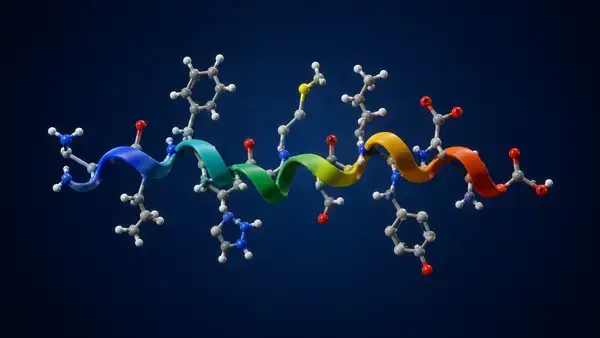
ARA-290 is an 11 amino acid linear peptide. The sequence is pyroglutamate-Glu-Gln-Leu-Glu-Arg-Ala-Leu-Asn-Ser-Ser. That sequence mimics the spatial conformation of helix B on the external face of the erythropoietin molecule.
Helix B is the region of EPO that contacts the tissue-protective receptor complex rather than the classical erythropoietic receptor. By isolating this segment, researchers retained one signaling pathway while removing the other. The compound was developed by Araim Pharmaceuticals, with Michael Brines and Anthony Cerami credited as the principal investigators behind the underlying receptor characterization work.
The Innate Repair Receptor
This is where ARA-290 separates from earlier EPO analogs in the literature.
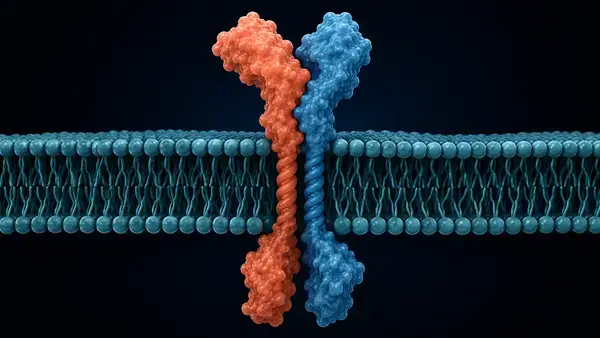
The classical EPO receptor exists as a homodimer of two EPOR subunits. The innate repair receptor (IRR) is a heteromer composed of EPOR and the beta common receptor, CD131. Published binding studies report that ARA-290 engages the IRR with no measurable affinity for the homodimeric EPOR. In vivo hematocrit measurements in animal models support this selectivity profile.
The practical consequence for study design is straightforward. ARA-290 administration in animal models does not produce the red cell expansion seen with recombinant human EPO. That removes a major confounding variable from research on inflammation, neuropathy, and tissue repair signaling.
Documented Research Areas
The following areas appear in published preclinical and academic clinical literature. None of this is a clinical recommendation. Researchers should consult primary sources before designing protocols.
Sarcoidosis-associated small fiber neuropathy. Investigators at Leiden University Medical Center conducted academic clinical work examining corneal nerve fiber metrics and patient-reported symptom inventories in sarcoidosis cohorts. Records are indexed on ClinicalTrials.gov under identifiers including NCT01851381.
Diabetic peripheral neuropathy. Rodent models and small academic studies used corneal confocal microscopy as a structural readout for nerve fiber response to compound administration.
Neuropathic pain and inflammation. Rodent models of nerve injury, ischemia-reperfusion, and chronic inflammation make up the bulk of the preclinical record.
Ischemic tissue protection. Cardiac, renal, and central nervous system ischemia models have been used to characterize tissue-protective signaling downstream of IRR engagement.
The dominant observation across these studies involves modulation of inflammatory signaling markers and cytoprotective rather than regenerative in a stem cell sense. Researchers framing hypotheses should keep that distinction tight. Conflating “tissue protection” with “tissue regeneration” is a common error in secondary literature.

Pharmacokinetic Notes from Published Research
ARA-290 shows a notably short plasma half-life in rodent models, reported in the range of two minutes. The pharmacodynamic effect persists well past plasma clearance.
This disconnect between plasma exposure and biological effect has been a recurring theme in the published dosing rationales. Researchers using continuous infusion protocols and intermittent bolus protocols have both reported sustained downstream signaling, which has implications for any pharmacokinetic modeling work.
Laboratory Handling
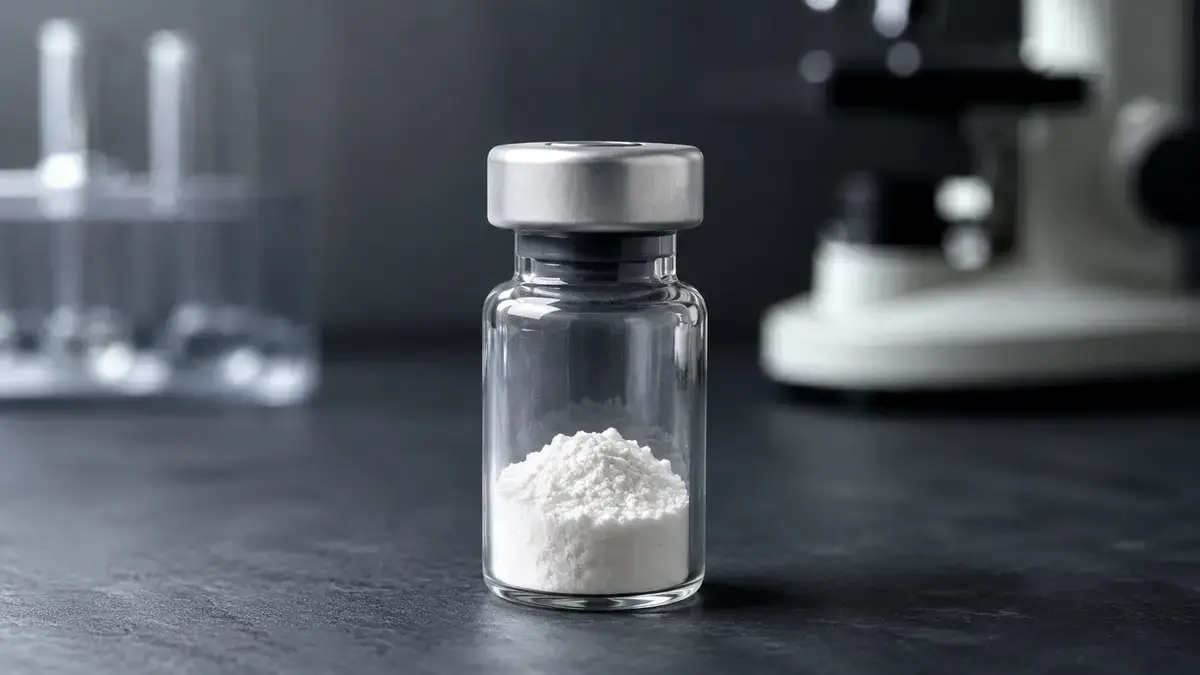
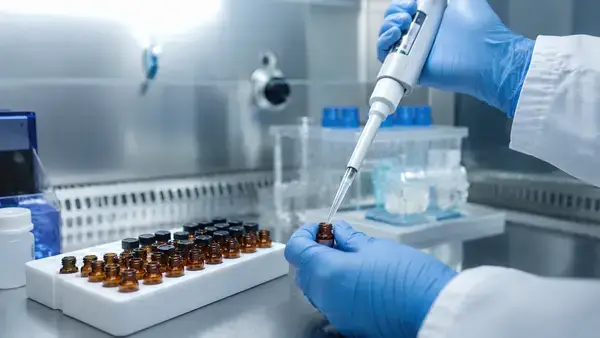
ARA-290 is supplied as a lyophilized powder for laboratory reconstitution. Published protocols typically use bacteriostatic water or sterile saline for reconstitution.
Aliquoting on reconstitution is the standard practice to limit freeze-thaw cycles. Stability data in the literature support short-term storage at refrigerator temperatures after reconstitution and longer-term storage of the lyophilized powder at minus 20 degrees Celsius or below. Investigators should validate stability under their specific reconstitution buffer and storage conditions rather than relying on generic figures.
Regulatory Status
ARA-290 has not received FDA approval for any clinical indication.
The compound is offered strictly for in vitro and in vivo research use by qualified investigators and academic institutions. It is not approved for human use, veterinary use, food, cosmetic, or any therapeutic application. Purchasers carry full responsibility for compliance with institutional oversight requirements and all applicable local, state, and federal regulations governing the handling of research compounds.
Why ARA-290 Keeps Appearing in the Literature
If you are designing a study, the IRR selectivity is the experimental hook worth focusing on.
It allows clean separation of EPO’s specialized receptor signaling from its hematopoietic effects within the same animal model. Few peptides offer that precise a dissection of a complex cytokine’s downstream pathways. That is the substantive contribution of cibinetide to the research record, and it is the reason the compound continues to appear in inflammation and neuropathy investigations long after its initial characterization.
For investigators working on receptor pharmacology rather than therapeutic translation, that selectivity is the point of the molecule.
Conclusion
ARA-290 earns its place in research programs because it isolates one signaling arm of a complex cytokine. Investigators designing experiments around inflammation, neuropathy, or ischemia-reperfusion gain a tool that probes IRR signaling without the erythropoietic noise that complicates parent EPO studies. The methodological value sits above any single indication in the published record.
Practical next steps for researchers: pull the primary Araim characterization papers, review the published phase 2 sarcoidosis dataset, and check Brines and Cerami’s foundational receptor work before drafting any dosing protocol. Plan sampling windows around the plasma half-life and pharmacodynamic disconnect rather than against it.
Verify reconstitution buffer compatibility and storage stability under your specific laboratory conditions. Source from suppliers that provide certificate of analysis documentation, HPLC purity data, and mass spectrometry confirmation. Documentation quality directly affects the reproducibility of any downstream finding.
FAQs
What distinguishes ARA-290 from erythropoietin in research applications?
ARA-290 engages the innate repair receptor (the EPOR/CD131 heteromer) but shows no measurable affinity for the homodimeric EPO receptor. In rodent models, this means administration does not raise hematocrit. Investigators studying specialized receptor signaling can separate that pathway from the hematopoietic effects that confound parent EPO experiments.
Why does the short plasma half-life not undercut research dosing protocols?
Published data report a plasma half-life of roughly two minutes in rodent models, but the pharmacodynamic effect persists well past plasma clearance. The literature suggests receptor engagement triggers signaling cascades that outlast circulating peptide levels. Researchers should plan sampling windows around the biological effect curve rather than the plasma concentration curve.
What are the documented research areas in the published literature?
Preclinical and academic clinical work covers sarcoidosis-associated small fiber neuropathy (including the Leiden University trials indexed under NCT01851381), diabetic peripheral neuropathy models, neuropathic pain and inflammation, and ischemic tissue protection in cardiac, renal, and central nervous system models. The dominant signal across studies is anti-inflammatory and cytoprotective.
How should ARA-290 be reconstituted and stored for laboratory use?
Published protocols typically use bacteriostatic water or sterile saline for reconstitution of the lyophilized powder. Aliquot on reconstitution to limit freeze-thaw cycles. Lyophilized material is generally stored at minus 20 degrees Celsius or below for long-term stability. Researchers should validate these conditions against their specific buffer and study design before committing to a protocol.
Is ARA-290 approved for any clinical use?
No. ARA-290 has not received FDA approval for any clinical indication. The compound is offered strictly for in vitro and in vivo research use by qualified investigators and academic institutions. It is not for human consumption, veterinary use, or any therapeutic application, and purchasers carry full responsibility for compliance with institutional and regulatory oversight.