❌ Not for Human Consumption
●
✅ For Research Use Only
●
All products are intended strictly for laboratory research purposes only
●
❌ Not for Human Consumption
●
✅ For Research Use Only
●
All products are intended strictly for laboratory research purposes only
●

GLP-1T Research Compounds: Sourcing And Purity Guide


For principal investigators, graduate researchers, and laboratory procurement officers, the integrity of every experiment begins long before the first pipette is lifted. It begins at sourcing. When working with reference compounds such as GLP-1T research compounds, the selection of a supplier is not a matter of convenience, it is a matter of scientific reproducibility, regulatory posture, and lab safety.
This guide is written specifically for academic and professional research audiences. It walks through the key considerations for sourcing GLP-1T intended for in vitro assays, receptor binding studies, analytical method development, and reference standardization within a controlled laboratory setting. Nothing in this article is intended to promote, suggest, or endorse any use beyond professional research.
Let’s get into the criteria that distinguish a reliable research-grade supplier from the rest.
IMPORTANT DISCLAIMER: GLP-1T is sold and distributed strictly for laboratory research and educational purposes only. It is not intended for human consumption, veterinary use, diagnostic application, therapeutic use, or any form of in vivo administration. GLP-1T is not a drug, medicine, dietary supplement, cosmetic, or food product. It has not been evaluated or approved by the FDA for any human or animal use. Products are intended solely for qualified researchers operating in licensed academic or professional laboratory environments. Any use outside of this scope is strictly prohibited and is the sole responsibility of the purchaser.
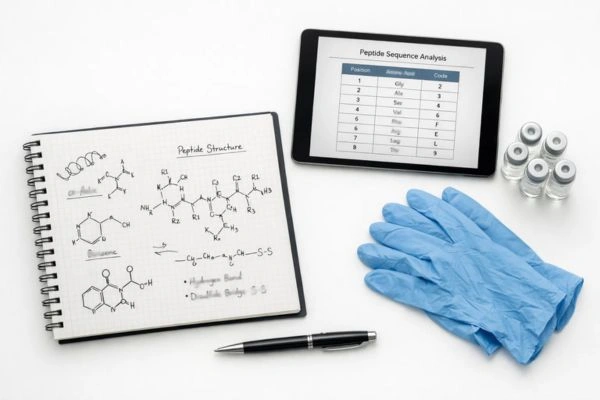
What Is GLP-1T in a Research Context?
GLP-1T refers to a research-grade peptide analog used in receptor pharmacology studies and peptide chemistry research.
Within the research setting, GLP-1T is used exclusively as:
- A reference compound for analytical method validation (HPLC, LC-MS, ELISA calibration).
- An in vitro probe for receptor binding studies in isolated cell cultures.
- A structural standard for peptide synthesis and characterization research.
- An educational material in graduate-level biochemistry and pharmacology coursework.
It is not a therapeutic product. It is not a wellness product. It is not for administration to humans or animals. Any supplier or distributor implying otherwise is operating outside the bounds of research compound distribution, and that is the first red flag to watch for when evaluating sourcing options.

The Five Pillars of Research Compound Sourcing
Academic labs should evaluate any GLP-1T research compound supplier against five non-negotiable pillars. Use this framework as a procurement checklist.
1. Verified Certificate of Analysis (COA) for Every Batch
A credible supplier provides a batch-specific Certificate of Analysis that includes, at minimum:
- Batch or lot number.
- Date of synthesis and date of analysis.
- Analytical method(s) used (HPLC, LC-MS, etc.).
- Quantified purity percentage.
- Identity confirmation (mass spectrometry data).
- Appearance, solubility notes, and physical characterization.
- Name of the analyzing laboratory or internal QC department.
If a COA is generic, undated, or identical across multiple batches, treat that as a disqualifying signal. Batch-specific documentation is the baseline for reproducible research.
2. Third-Party Independent Testing
Internal QC is useful, but third-party verification is the gold standard. Reputable research compound suppliers submit random batches to independent analytical laboratories and publish those results alongside internal COAs. Look for:
- ISO-accredited testing facilities.
- Independent HPLC purity confirmation.
- Mass spectrometry molecular weight verification.
- Published testing methodology.
When two independent labs confirm the purity and identity of a batch, the research downstream becomes defensible in peer review.
3. Purity Standards Appropriate for Research Use
For peptide research compounds, a commonly referenced benchmark in academic procurement is ≥98% HPLC purity, with some method-development applications requiring ≥99%. Verify that the supplier’s stated purity:
- Matches the intended research application.
- Is measured by a named, reproducible method.
- Is supported by the raw chromatogram data, not just a summary statement.
Ask to see the chromatogram. A transparent supplier will share it without hesitation.
4. Transparent Synthesis and Handling Documentation
Academic labs should expect clear documentation covering:
- Synthesis route (solid-phase peptide synthesis, recombinant expression, etc.).
- Solvents and reagents used.
- Lyophilization process and final physical form.
- Recommended storage conditions (typically -20°C or -80°C, protected from light and moisture).
- Reconstitution guidance for laboratory preparation.
- Stability data where available.
This documentation is essential for experimental reproducibility and for satisfying institutional review and compliance requirements.
5. Compliance-Forward Labeling and Communication
Every legitimate research compound supplier labels products with clear “For Research Use Only, Not for Human Consumption” language. They do not make medical claims. They do not reference weight, metabolic outcomes in humans, or any therapeutic indication. They do not suggest dosing for people or animals.
If a supplier’s marketing copy reads like pharmaceutical advertising, walk away. That supplier is creating legal exposure for themselves and for any institution that buys from them.
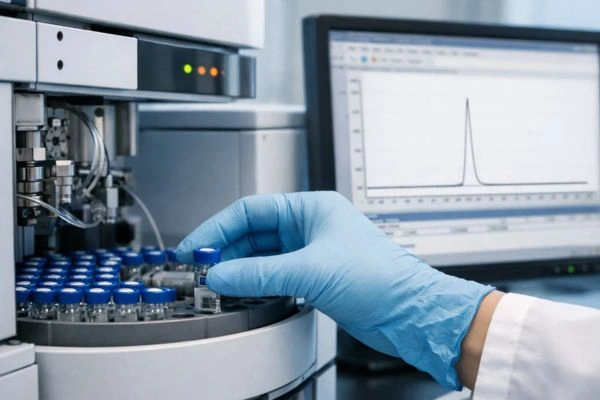
Purity Testing Methods Academic Labs Should Understand
Research teams purchasing GLP-1T should be familiar with the primary analytical techniques used to confirm peptide purity and identity. This knowledge helps evaluate COAs critically.
- High-Performance Liquid Chromatography (HPLC): The industry standard for quantifying peptide purity. Reverse-phase HPLC with UV detection is most common. A single, dominant peak with minimal shoulder peaks is a strong indicator of high purity.
- Liquid Chromatography–Mass Spectrometry (LC-MS): Confirms molecular weight and identity. An observed mass matching the theoretical mass within a small error margin confirms the compound’s structural identity.
- Matrix-Assisted Laser Desorption/Ionization (MALDI-TOF): Often used as a complementary identity verification method for peptides.
- Karl Fischer Titration: Measures water content in lyophilized peptide powder, important because residual moisture affects both stability and assay accuracy.
- Elemental Analysis and Amino Acid Analysis: Used for detailed characterization in more rigorous quality-control programs.
When a supplier provides data from multiple orthogonal methods, confidence in the compound’s identity and purity increases substantially.
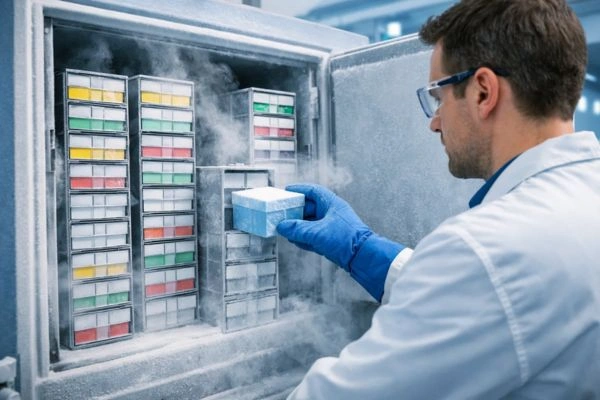
Storage, Handling, and Laboratory Protocols
Once received in the lab, GLP-1T research compounds require appropriate handling to preserve integrity. General best practices include:
Storing lyophilized peptide at -20°C or -80°C in a sealed, desiccated container, protected from light and temperature fluctuation. Reconstituted solutions should be aliquoted to avoid repeated freeze-thaw cycles, which degrade peptide integrity. Researchers should wear appropriate PPE (gloves, lab coat, and safety eyewear) and work within a designated research area, never in spaces used for food preparation or personal activities. All handling should follow institutional biosafety and chemical hygiene protocols, including documented SOPs for receipt, logging, and disposal.
Institutional Compliance Considerations
Academic procurement teams should ensure any purchase of GLP-1T research compounds aligns with:
- Institutional Biosafety Committee (IBC) review where applicable.
- Environmental Health and Safety (EHS) protocols for peptide handling.
- Departmental chemical inventory requirements.
- Grant funding guidelines regarding reagent sourcing and documentation.
- Federal, state, and local regulations regarding research chemical receipt and storage.
This guide does not constitute legal or regulatory advice. Researchers should consult their institution’s compliance office before placing any order.

Red Flags to Avoid When Sourcing GLP-1T
Not every supplier in the research compound space operates at the same standard. Watch for these warning signs:
Marketing copy that references weight, appetite, diabetes, or any human health outcome. This indicates the supplier is not operating as a research compound vendor. Absence of batch-specific COAs, or identical COAs recycled across shipments. Vague or missing third-party testing data. Packaging that mimics pharmaceutical products or uses consumer-facing branding. Pricing that is dramatically below market rates for comparable research peptides, which often signals synthesis shortcuts or misrepresented purity. Communication that encourages use outside a laboratory context in any way.
A professional research compound supplier supports the work of scientists. That support shows in documentation, transparency, and language.

Building a Long-Term Sourcing Relationship
For labs that work with reference compounds on an ongoing basis, developing a trusted sourcing relationship pays dividends in efficiency and data quality. Consider suppliers who offer:
- Consistent lot-to-lot reproducibility.
- Responsive technical support from staff with peptide chemistry expertise.
- Clear documentation trails suitable for publication and peer review.
- Willingness to provide custom QC data on request.
- Transparent communication about synthesis timelines and inventory.
The best supplier relationships become extensions of the lab’s own quality infrastructure.
Research Integrity Starts at the Source
The reproducibility of peptide research, and the credibility of published findings, depends on the quality of the reference materials used. Sourcing GLP-1T research compounds from suppliers who meet rigorous purity, documentation, and compliance standards is not optional for academic laboratories. It is foundational.
Use this guide as a procurement framework. Evaluate every supplier against the five pillars. Verify every batch. Document every step. That is how serious research gets done.
Conclusion
Every data point your lab produces is only as reliable as the compound behind it. Sourcing GLP-1T research compounds demands the same rigor you apply to experimental design, verify batch-specific COAs, confirm purity through independent third-party testing, and hold every supplier accountable to transparent documentation. Cut corners at procurement, and you introduce uncertainty that no amount of downstream troubleshooting can resolve. Build your supplier evaluation around the five pillars outlined above: certified analysis, independent verification, defined purity benchmarks, full synthesis documentation, and compliance-forward labeling. Flag any vendor whose language drifts toward therapeutic claims or consumer marketing. Prioritize relationships with suppliers who treat transparency as standard practice, not a special request. Your institution’s compliance framework, your funding body’s expectations, and the reproducibility of your published findings all depend on this single upstream decision. Source deliberately. Verify consistently. Document everything.
IMPORTANT DISCLAIMER: GLP-1T is sold and distributed strictly for laboratory research and educational purposes only. It is not intended for human consumption, veterinary use, diagnostic application, therapeutic use, or any form of in vivo administration. GLP-1T is not a drug, medicine, dietary supplement, cosmetic, or food product. It has not been evaluated or approved by the FDA for any human or animal use. Products are intended solely for qualified researchers operating in licensed academic or professional laboratory environments. Any use outside of this scope is strictly prohibited and is the sole responsibility of the purchaser.
Frequently Asked Questions
What purity level should I require when ordering GLP-1T for in vitro receptor binding studies?
Target ≥98% HPLC purity for most in vitro applications. If your work involves analytical method development or calibration where tighter tolerances matter, look for ≥99%. Always request the raw chromatogram rather than relying on a summary purity statement, so you can independently assess peak integrity and rule out co-eluting impurities.
How do I verify that a supplier’s Certificate of Analysis is legitimate?
Check that the COA is batch-specific, dated, and includes the lot number, analytical methods used, quantified purity, and mass spectrometry identity confirmation. Compare COAs across different orders, if they appear identical, that signals recycled documentation. Cross-reference supplier claims by requesting third-party testing data from an ISO-accredited independent lab.
What are the correct storage conditions for lyophilized GLP-1T once it arrives in the lab?
Store the sealed, lyophilized powder at -20°C or -80°C in a desiccated container, shielded from light and temperature swings. Once reconstituted, divide the solution into single-use aliquots immediately. Repeated freeze-thaw cycles degrade peptide integrity and compromise assay accuracy, so plan your aliquot volumes around your experimental needs before reconstituting.
What is the biggest red flag when evaluating a GLP-1T research compound supplier?
Marketing language that references human health outcomes, weight management, appetite suppression, blood sugar regulation, or any therapeutic benefit. A legitimate research compound vendor sells strictly to qualified labs and frames its products accordingly. Any supplier positioning GLP-1T as a wellness or health product is operating outside proper research distribution standards and creates compliance risk for your institution.
Do I need institutional approval before purchasing GLP-1T research compounds?
Check with your institution’s compliance office, Environmental Health and Safety department, and Institutional Biosafety Committee before ordering. Many academic institutions require chemical inventory logging, documented SOPs for receipt and handling, and alignment with grant funding guidelines on reagent sourcing. Securing these approvals upfront protects both your research and your institution.