❌ Not for Human Consumption
●
✅ For Research Use Only
●
All products are intended strictly for laboratory research purposes only
●
❌ Not for Human Consumption
●
✅ For Research Use Only
●
All products are intended strictly for laboratory research purposes only
●

What Is Bacteriostatic Water And Why It Matters For Peptide Reconstitution In Research Labs

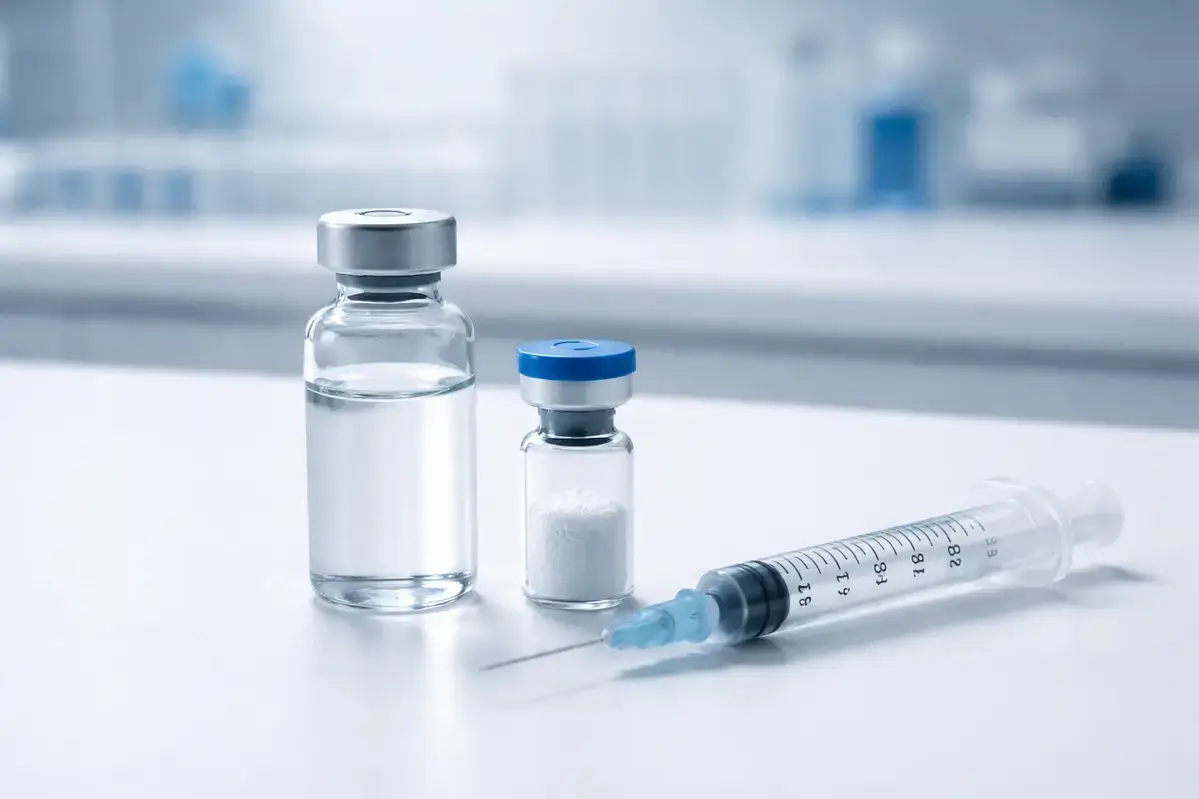
Bacteriostatic water is a sterile, non-pyrogenic preparation of purified water containing 0.9% benzyl alcohol as a preservative that inhibits the growth of bacteria. It is the standard diluent used in research laboratories to reconstitute lyophilized (freeze-dried) peptides into stable liquid solutions for in vitro analysis, binding assays, and experimental protocols. Bacteriostatic water differs from sterile water because its benzyl alcohol component allows a single vial to be accessed multiple times over a 28-day period without compromising sterility, while sterile water must be discarded after a single use. This multi-access capability makes bacteriostatic water the preferred reconstitution solvent in peptide research settings where small aliquots are drawn across several laboratory sessions.
Researchers select bacteriostatic water over alternative diluents because it maintains pH neutrality, supports peptide structural stability in solution, and reduces material waste throughout ongoing research workflows. This article covers the composition of bacteriostatic water, how it compares to sterile water and bacteriostatic saline, the step-by-step reconstitution protocol for research peptides, proper storage and handling practices, common reconstitution errors, and quality sourcing standards. Bacteriostatic water is intended strictly for research and laboratory use only and is not for human consumption, therapeutic application, or clinical use.
Disclaimer: Bacteriostatic water is sold strictly for research purposes only. It is not intended for human consumption, therapeutic use, or any clinical application. All references in this article pertain exclusively to in vitro research and laboratory analysis. This content is intended solely for qualified researchers and academic professionals operating within appropriately equipped laboratory environments. Nothing in this article constitutes medical advice, a health claim, or an endorsement of any unapproved use.
What Is Bacteriostatic Water?
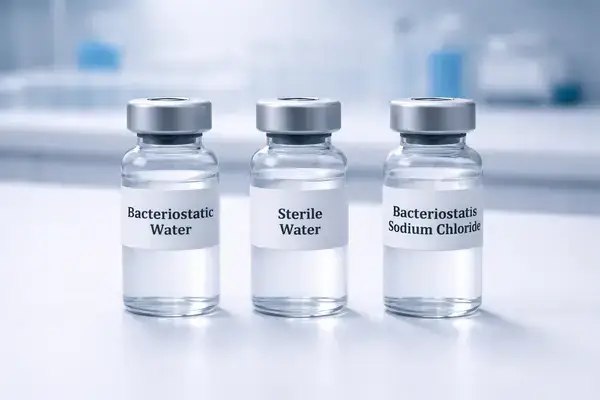
Bacteriostatic water is a purified water formulation containing 0.9% benzyl alcohol as an antimicrobial preservative. The benzyl alcohol component prevents the proliferation of bacteria within the solution, distinguishing it from standard sterile water preparations that contain no preservative agents.
This distinction matters in research environments. Sterile water, once opened, becomes susceptible to microbial contamination almost immediately. Bacteriostatic water maintains its integrity for up to 28 days after the first puncture of the vial, provided proper storage protocols are followed. This extended usability window is what makes it a staple across peptide research laboratories worldwide.
Why Bacteriostatic Water Matters for Peptide Research
Peptides used in research are commonly supplied in lyophilized (freeze-dried) form. Lyophilization preserves the structural integrity of the peptide during shipping and long-term storage. Before a researcher can analyze, assay, or study a peptide compound, it must be reconstituted into a solution using a compatible diluent.
Bacteriostatic water is the most widely recommended diluent for this purpose, and the reasons are practical.
First, the benzyl alcohol preservative inhibits microbial growth within the reconstituted solution. Peptide compounds can serve as a nutrient source for bacteria, and contamination compromises experimental integrity. By suppressing bacterial proliferation, bacteriostatic water protects the sample across multiple uses.
Second, the multi-use capability of bacteriostatic water reduces waste. Researchers working with peptides often draw small aliquots from a single reconstituted vial over the course of several sessions. Using a non-preserved diluent would require discarding unused portions after each access, increasing material requirements and reducing workflow efficiency.
Third, bacteriostatic water is pH-neutral and isotonically compatible, which helps maintain the structural stability of peptides in solution. This is critical for research applications where degradation of the compound would invalidate results.
How Bacteriostatic Water Differs from Sterile Water and Saline
Understanding the differences between available diluents helps researchers select the right solvent for each application.
Bacteriostatic water contains 0.9% benzyl alcohol. It is designed for multi-dose vial use and maintains sterility for up to 28 days after first puncture when stored at controlled room temperature (20 to 25 degrees Celsius).
Sterile water for injection contains no preservatives. Once opened, it must be used immediately and any remaining volume discarded. It is appropriate only for single-use research applications.
Bacteriostatic sodium chloride (0.9%) contains both sodium chloride and benzyl alcohol. Some peptide protocols specify this diluent when ionic strength is a factor in maintaining peptide solubility or structural conformation during research analysis.
For the majority of peptide reconstitution protocols in research settings, bacteriostatic water is the standard choice. Researchers should always consult the specific peptide’s certificate of analysis or technical data sheet to confirm the recommended diluent.
Proper Reconstitution Protocol for Research Peptides
Following a consistent reconstitution protocol is essential for maintaining compound integrity and ensuring reproducible results. Below is the standard approach used in research laboratories.
Step 1: Gather Materials. Prepare the lyophilized peptide vial, a vial of bacteriostatic water, alcohol swabs, and an appropriate sterile syringe.
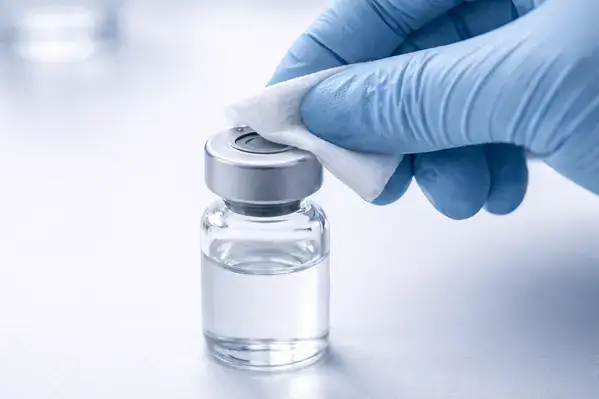
Step 2: Sanitize Access Points. Wipe the rubber stoppers of both the peptide vial and the bacteriostatic water vial with alcohol swabs. Allow each to air dry completely before proceeding.
Step 3: Withdraw the Diluent. Using a sterile syringe, draw the desired volume of bacteriostatic water from its vial. The volume depends on the target concentration for the research protocol.
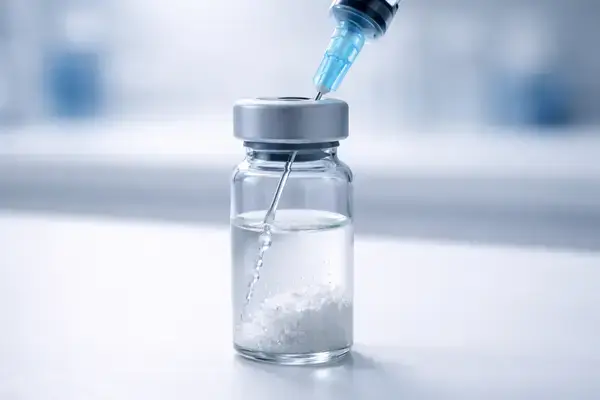
Step 4: Add Water to the Peptide Vial. Insert the syringe needle into the peptide vial and dispense the bacteriostatic water slowly along the inside wall of the vial. Do not inject directly onto the lyophilized powder, as forceful reconstitution can damage the peptide structure.
Step 5: Allow Dissolution. Gently swirl the vial in a circular motion until the peptide is fully dissolved. Avoid shaking, as vigorous agitation can cause foaming, denaturation, or aggregation of the peptide compound.
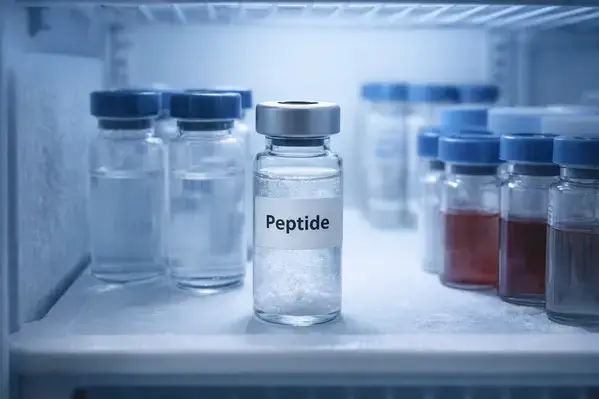
Step 6: Store Properly. Once reconstituted, store the peptide solution in a refrigerator at 2 to 8 degrees Celsius. Label the vial with the reconstitution date. Use within 28 days for optimal stability.
This protocol applies to standard research-grade peptides. Always defer to the manufacturer’s technical documentation for compound-specific instructions.
Storage and Handling Best Practices
Proper storage of both bacteriostatic water and reconstituted peptide solutions directly impacts the reliability of research outcomes.
Unopened bacteriostatic water should be stored at controlled room temperature, away from direct sunlight and heat sources. Check the expiration date printed on the vial before use.
Opened bacteriostatic water maintains its preservative efficacy for up to 28 days when stored at 20 to 25 degrees Celsius. After 28 days, discard any remaining volume and use a fresh vial.
Reconstituted peptide solutions should be refrigerated immediately after preparation. Avoid repeated freeze-thaw cycles, as these can degrade peptide bonds and alter the compound’s structural profile. If long-term storage is required, aliquot the reconstituted solution into smaller volumes and store them individually to minimize the number of freeze-thaw events any single sample experiences.
Maintain a clean, contamination-free workspace during all handling procedures. Use proper personal protective equipment (PPE) consistent with standard laboratory safety protocols.
Common Mistakes Researchers Should Avoid
Even experienced researchers can introduce errors during reconstitution. Awareness of common pitfalls improves experimental outcomes.
Using the wrong diluent. Not all peptides are compatible with bacteriostatic water. Some research compounds require DMSO, acetic acid, or other specialized solvents for proper dissolution. Always verify the recommended diluent before proceeding.
Injecting water directly onto the powder. Forceful contact between the diluent stream and the lyophilized peptide can cause localized concentration spikes and structural damage. Always dispense along the vial wall.
Shaking the vial. Vigorous shaking introduces air bubbles and mechanical stress that can denature the peptide. Gentle swirling is the standard technique.
Skipping sanitization. Failing to swab vial stoppers before needle insertion introduces a contamination vector. This step takes seconds and protects the integrity of the entire experiment.
Exceeding the 28-day use window. Bacteriostatic water’s preservative efficacy diminishes over time. Using reconstituted solutions beyond the recommended window increases the risk of bacterial contamination and peptide degradation.
Why Quality Matters When Sourcing Bacteriostatic Water
Not all bacteriostatic water products meet the same quality standards. Researchers should source their diluents from suppliers that provide certificates of analysis (COAs), maintain compliance with Current Good Manufacturing Practice (cGMP) standards, and clearly label products for research use only.
Key quality indicators to evaluate include benzyl alcohol concentration (should be exactly 0.9%), sterility verification, endotoxin testing results, and packaging integrity. Vials should be sealed with tamper-evident closures and clearly labeled with lot numbers and expiration dates.
Using substandard diluents introduces uncontrolled variables into the research process. When experimental outcomes depend on compound purity and solution stability, the quality of the bacteriostatic water is not a place to cut corners.
Conclusion
Bacteriostatic water is not just another lab supply. It is the foundation of accurate, reproducible peptide reconstitution in research settings. Its 0.9% benzyl alcohol preservative delivers a critical advantage over standard sterile water by inhibiting bacterial growth and extending the usable life of reconstituted solutions to 28 days. This single property reduces material waste, protects sample integrity, and supports multi-session research protocols that demand consistency from the first draw to the last. Researchers who invest in high-quality, cGMP-compliant bacteriostatic water, follow proper reconstitution techniques, and adhere to documented storage protocols position their experiments for reliable, defensible outcomes. Source it from a reputable supplier. Follow the protocol. Protect the compound. These three steps separate rigorous research from compromised data.
FAQs
What is bacteriostatic water used for in peptide research?
Bacteriostatic water serves as the standard diluent for reconstituting lyophilized peptides into a liquid solution for laboratory analysis. Its 0.9% benzyl alcohol preservative inhibits microbial contamination, making it suitable for multi-use research protocols. It is intended strictly for research and laboratory purposes and is not for human consumption.
How long can bacteriostatic water be used after opening?
Bacteriostatic water maintains its antimicrobial preservative efficacy for up to 28 days after the first vial puncture. Store it at controlled room temperature between 20 and 25 degrees Celsius during that window. Discard any remaining volume after 28 days and open a fresh vial for continued research use.
What is the difference between bacteriostatic water and sterile water for research applications?
Bacteriostatic water contains 0.9% benzyl alcohol, which prevents bacterial growth and allows repeated access over a 28-day period. Sterile water contains no preservative and must be used immediately after opening, with any unused portion discarded. For research protocols requiring multiple draws from a single reconstituted vial, bacteriostatic water is the recommended diluent.
What mistakes should researchers avoid when reconstituting peptides with bacteriostatic water?
Avoid injecting the diluent directly onto the lyophilized powder, as this can cause structural damage to the peptide compound. Never shake the vial; instead, use a gentle swirling motion to dissolve the peptide without introducing air bubbles or mechanical stress. Always sanitize vial stoppers with alcohol swabs before needle insertion to prevent microbial contamination.
How should reconstituted peptide solutions be stored after preparation?
Refrigerate reconstituted peptide solutions immediately at 2 to 8 degrees Celsius and label each vial with the reconstitution date. Avoid repeated freeze-thaw cycles, as these degrade peptide bonds and compromise compound stability. For long-term storage needs, aliquot the solution into smaller individual volumes to limit freeze-thaw exposure per sample.