❌ Not for Human Consumption
●
✅ For Research Use Only
●
All products are intended strictly for laboratory research purposes only
●
❌ Not for Human Consumption
●
✅ For Research Use Only
●
All products are intended strictly for laboratory research purposes only
●

Epithalon In Circadian And Melatonin Pathway Research

Written By: Gary Hite, Research Content Writer
Reviewed By: Natalie Kunsman, M.D., Board-Certified Physician
Last Reviewed: August 21, 2026
Epithalon is a synthetic tetrapeptide that has attracted sustained interest among research scientists studying the biology of the pineal gland, circadian timing, and melatonin signaling. As a chemically defined peptide sequence, it offers laboratories a consistent and reproducible tool compound for controlled experimental work. This article reviews how Epithalon appears within circadian and melatonin pathway research models and outlines considerations relevant to professional researchers and academics designing studies in this space. For teams sourcing materials for this kind of work, Penguin Peptides supplies lab-tested compounds intended solely for controlled, professional research.
Epithalon is intended strictly for laboratory research and educational purposes. It is not a drug, dietary supplement, food, or cosmetic, and it is not approved for human or veterinary use.

Understanding the Circadian and Melatonin Pathway
The circadian system coordinates roughly 24-hour cycles in physiology and behavior. At its center sits a master clock located in the suprachiasmatic region of the hypothalamus, which receives light information from the eyes and synchronizes peripheral clocks throughout the body. The circadian rhythm and its dependence on the light and dark cycle are well documented across the scientific literature, which makes this system a frequently modeled subject in laboratory research.
A key output of this system is the nightly production of melatonin by the pineal gland. Melatonin synthesis follows a defined enzymatic pathway and is tightly gated by the light and dark cycle, which makes it a frequently measured marker in circadian research. At the molecular level, interlocking transcription and translation feedback loops involving core clock genes generate and sustain rhythmic activity within cells. Researchers studying these mechanisms often look for compounds that may interact with pineal function, melatonin output, or clock gene expression in model systems. This is the broad scientific landscape in which Epithalon is most often examined.
Why Researchers Study Epithalon in This Context
Epithalon is a short peptide composed of four amino acids. Its sequence is derived from a naturally occurring pineal peptide complex, which is part of why it has been examined in studies focused on pineal biology and circadian regulation. A general Epithalon reference outlines the molecule’s structure and the broad history of research interest around it.
In published laboratory work, investigators have used Epithalon as a probe to explore questions about melatonin synthesis, pineal cell activity, and changes in circadian parameters within animal and cell-based models. Because it is a chemically defined molecule, it can be prepared at known concentrations, and working with research-grade Epithalon of verified purity supports reproducibility across experiments. Within this research framing, Epithalon functions as a tool compound: a substance used to interrogate a biological pathway under controlled conditions, not a product with any established application in people.
Common Research Model Designs
Studies that involve circadian and melatonin pathway questions tend to draw on several recognized model types, each suited to different stages of investigation. A peer-reviewed overview of this tetrapeptide catalogs the range of in vitro, in vivo, and in silico approaches reported over the past few decades.
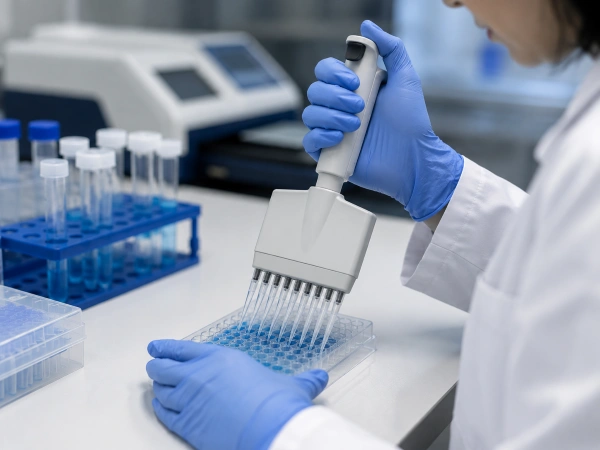
In vitro and cell-based models allow researchers to examine how a compound may influence melatonin-related enzymes, gene expression, or cellular markers under controlled conditions. Cultured pinealocytes and other neuroendocrine cell lines isolate specific variables and are often used in early-stage mechanistic work. Peptides grouped among neuro research compounds are frequently studied in these systems for their interaction with neuroendocrine markers.
Whole-organism animal models have featured prominently in published circadian and pineal research. In such designs, investigators may track behavioral rhythms, hormone levels across the light and dark cycle, or molecular markers in pineal and hypothalamic tissue. Animal research of this kind is conducted under institutional oversight and ethical review.
Tissue and organ culture can serve as an intermediate model, retaining more biological context than single-cell systems while still permitting controlled manipulation. This middle ground is useful when researchers want to preserve tissue architecture without the full complexity of a living organism.
Methodological Considerations for the Laboratory
Sound methodology is what separates interpretable circadian data from noise, and peptide research carries its own practical requirements.
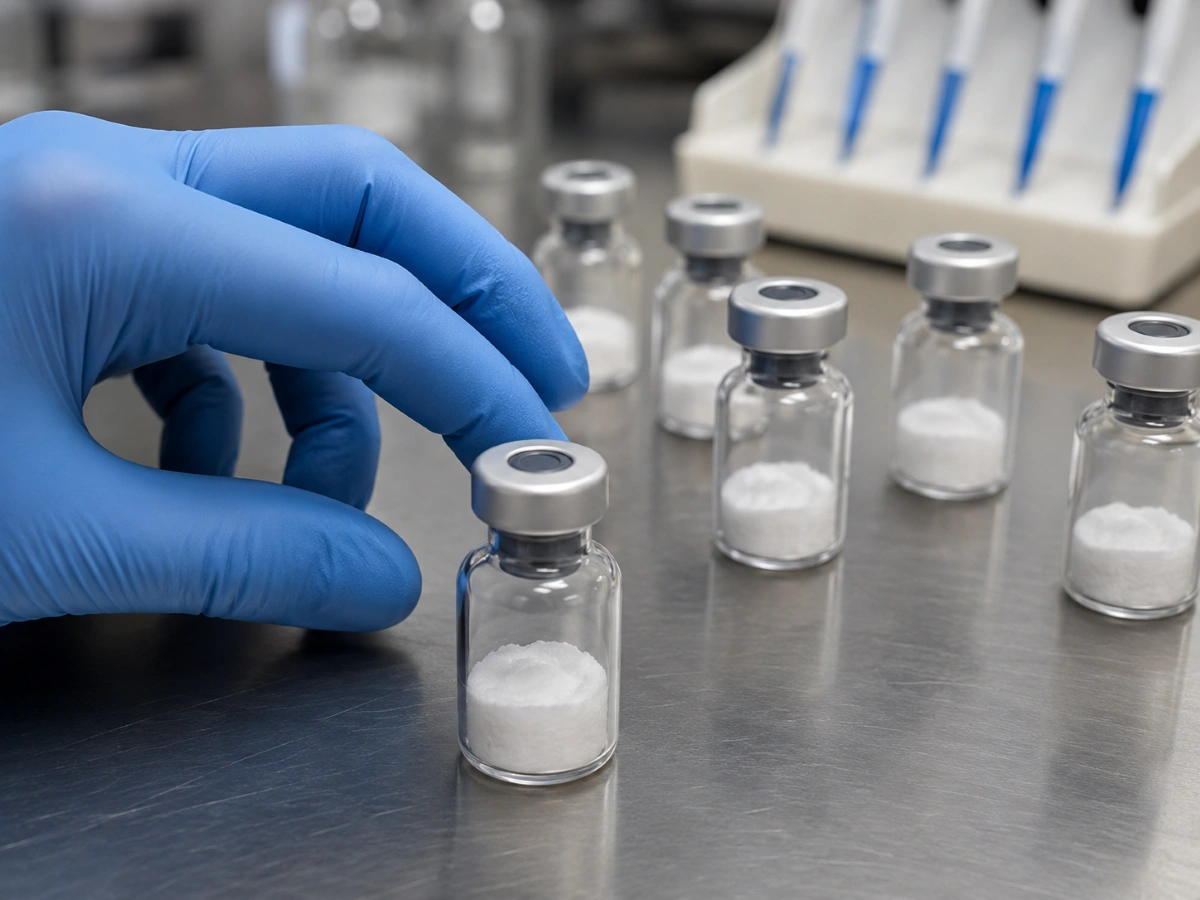
Synthetic peptides are typically supplied as a lyophilized powder and reconstituted in an appropriate solvent for laboratory use. Sterile and bacteriostatic water and other research-grade solvents are commonly referenced in protocols, with the choice depending on the experimental design and solubility requirements.
Peptides are generally sensitive to temperature, light, and repeated freeze and thaw cycles. Researchers often store lyophilized material and reconstituted solutions under cold conditions and aliquot stock solutions to limit degradation. Documenting lot numbers, concentrations, and preparation dates supports reproducibility and makes results easier to compare across runs.
Analytical data such as high performance liquid chromatography and mass spectrometry results are important for confirming identity and purity before a compound is used in a study. Reviewing third-party lab results for each batch helps reduce experimental variability and strengthens confidence in downstream findings.
Experimental Endpoints in Circadian Research
Studies in this area rely on a range of measurable endpoints. Melatonin and its metabolites can be quantified in biological samples to assess pathway activity. Expression of core clock genes and melatonin-related enzymes can be measured at the messenger RNA and protein levels. In animal models, behavioral readouts such as activity rhythms and patterns across the light and dark cycle provide a system-level view.
Selecting appropriate endpoints, controls, and time-course sampling is central to interpreting results in circadian experiments, where timing itself is a critical variable. A measurement taken at the wrong point in the cycle can obscure a real effect or suggest one that is not there, so careful scheduling is often as important as the assay itself. In sleep and circadian research more broadly, related tool molecules such as the DSIP research peptide are also studied within comparable model frameworks.
Compliance and Responsible Research Practice
Research compounds occupy a specific legal and regulatory category. Materials supplied for laboratory use are intended only for qualified professionals working in appropriate settings, and they are not for human or animal consumption. The same standard applies across all peptide research compounds, regardless of the pathway under study.
Responsible practice includes verifying that a compound is being acquired and handled in line with institutional policies and all applicable local, state, and federal laws, maintaining accurate records, and restricting access to trained personnel. Clear internal documentation also strengthens the integrity and reproducibility of any resulting data, which benefits both the individual laboratory and the wider research community.
Conclusion
Epithalon continues to earn its place as a focused tool compound for laboratories exploring the circadian and melatonin pathway. Its defined four amino acid structure and its origin in pineal biology give research teams a reproducible way to interrogate questions about melatonin synthesis, pineal cell activity, and clock gene behavior across cell-based and animal models. To reach reliable, publishable results, prioritize rigorous study design, well-characterized material, careful cold storage, and disciplined time-course sampling, since timing itself drives so much of what circadian experiments reveal.
Pair that methodological discipline with strict legal and ethical compliance, documenting every step and restricting access to trained professionals. Approached this way, Epithalon gives academics and research groups a practical entry point into one of biology’s most enduring questions: how living systems keep time. Start with high-purity, lab-tested material from a transparent supplier, define your endpoints clearly, and let the data direct your next experiment.
FAQs
What is Epithalon?
Epithalon is a synthetic tetrapeptide (Ala-Glu-Asp-Gly) derived from epithalamin, a peptide associated with the pineal gland. It is studied in laboratory models related to pineal function, circadian timing, and melatonin signaling. It is supplied strictly for research use only and is not for human or animal consumption.
Why is Epithalon studied in circadian and melatonin pathway research?
Its sequence originates from a pineal peptide complex, so researchers use it as a tool compound to investigate questions about melatonin synthesis, pineal cell activity, and circadian parameters in cell-based and animal models. Its defined structure makes it useful for designing reproducible experiments.
How is Epithalon stored and handled in the laboratory?
Synthetic peptides are typically supplied lyophilized and reconstituted in a suitable research-grade solvent. Researchers generally keep material cold, aliquot stock solutions to limit freeze and thaw cycles, and document lot numbers and concentrations. Always follow your institution’s protocols and all applicable regulations.
Is Epithalon approved for human use or medical treatment?
No. Epithalon is not a drug, supplement, or food, and it has not been approved by the FDA to diagnose, treat, cure, or prevent any condition. It is intended only for qualified professionals conducting laboratory research, and it must never be used in or on humans or animals.
What endpoints do researchers measure in circadian studies involving Epithalon?
Common endpoints include melatonin and metabolite quantification, expression of core clock genes and melatonin-related enzymes, and, in animal models, behavioral activity rhythms across the light and dark cycle. Because timing is a key variable, careful time-course sampling is essential.
Disclaimer: Epithalon is sold and supplied strictly for laboratory and scientific research use only. It is not intended for human or animal consumption and is not a drug, food, cosmetic, or dietary supplement. It has not been approved by the Food and Drug Administration for the diagnosis, treatment, cure, or prevention of any disease or condition.
The information in this article is provided for educational and informational purposes only and does not constitute medical, scientific, or professional advice. Nothing in this content should be interpreted as a recommendation to use this compound outside of a controlled research setting by qualified professionals. Any acquisition and handling of research compounds must comply with all applicable local, state, and federal laws as well as institutional guidelines.