
Sourcing High-Purity BPC 157 For Research: What To Look For In A Certificate Of Analysis

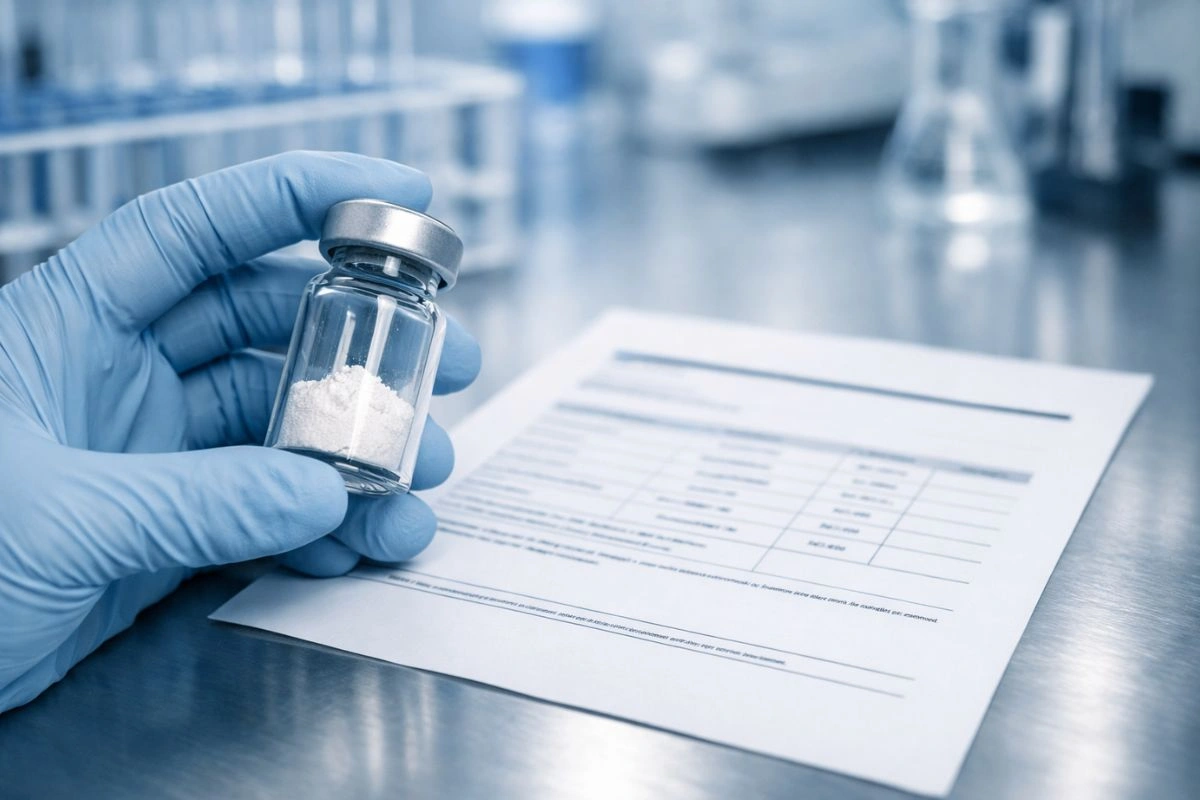
For professional researchers and academic scientists investigating synthetic peptides, the quality of materials can determine the integrity of an entire study. BPC 157 (Body Protection Compound-157) is a synthetic pentadecapeptide that has attracted growing interest within the research community for in vitro and in vivo laboratory studies. However, sourcing this peptide at the appropriate purity level requires more than simply placing an order with the first available supplier.
The Certificate of Analysis (COA) is the single most important document a researcher should evaluate before purchasing BPC 157 or any research peptide. A thorough COA serves as a verifiable record of a product’s identity, purity, and composition. Without one, researchers risk introducing uncontrolled variables into their experiments, compromising data reliability, and wasting valuable grant funding.
This guide provides professional researchers and academics with a detailed, actionable framework for evaluating COAs when sourcing high-purity BPC 157 for laboratory research.
Disclaimer: BPC 157 referenced throughout this article is intended exclusively for use in controlled laboratory research settings by qualified professionals. It is not approved by the FDA for any therapeutic or clinical application and is not intended for human or animal consumption.
What Is a Certificate of Analysis (COA)?
A Certificate of Analysis is a document issued by a manufacturer or an independent third-party laboratory that reports the results of quality control testing performed on a specific batch of a chemical or biological product. For research-grade peptides like BPC 157, the COA typically includes:
- The peptide’s identity and sequence confirmation
- Purity percentage as determined by analytical testing
- Quantitative data on residual impurities
- Lot or batch number for traceability
- Testing methodology references
- Date of manufacture and date of analysis
A COA is not a marketing document. It is a technical record that should be reproducible, transparent, and tied to a specific production batch. Researchers should treat any supplier that cannot provide a batch-specific COA with caution.
Key Components to Evaluate on a BPC 157 COA
When you receive a COA for a batch of BPC 157, do not simply glance at the purity number and move on. Each section of the document provides critical data. Below is a breakdown of the most important elements to assess.
1. Peptide Identity and Sequence Verification
The COA should clearly identify the product as BPC 157 and confirm the amino acid sequence: Gly-Glu-Pro-Pro-Pro-Gly-Lys-Pro-Ala-Asp-Asp-Ala-Gly-Leu-Val. This 15-amino-acid sequence is the defining characteristic of BPC 157 in its free acid or salt form.
What to look for:
Confirm that the peptide name, molecular formula (C₆₂H₉₈N₁₆O₂₂), and molecular weight (approximately 1419.53 g/mol for the free acid form) are accurately listed. Any discrepancy in the reported molecular weight or sequence should prompt further inquiry with the supplier before proceeding with a purchase.
Mass spectrometry (MS) data, specifically electrospray ionization mass spectrometry (ESI-MS) or matrix-assisted laser desorption/ionization (MALDI), should be referenced or included. This data confirms that the synthesized peptide matches the expected molecular weight and identity.
2. Purity Assessment via HPLC
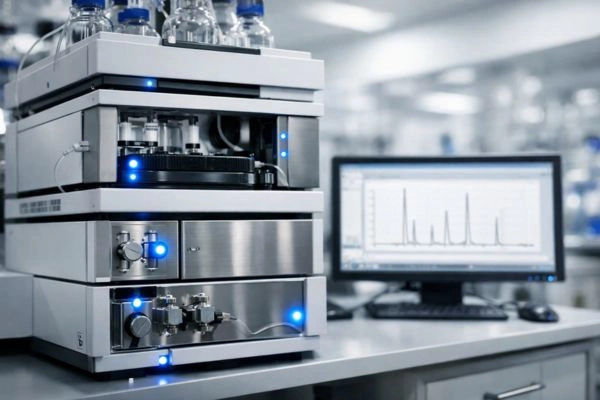
High-Performance Liquid Chromatography (HPLC) is the standard analytical method for determining peptide purity. For BPC 157 intended for rigorous research applications, look for a purity level of 98% or higher as determined by reverse-phase HPLC (RP-HPLC).
What to look for:
- The reported purity percentage should be accompanied by a chromatogram (or reference to one available upon request).
- The retention time of the main peak should be consistent with BPC 157 standards.
- Minor peaks on the chromatogram represent impurities. Evaluate their relative abundance and whether the supplier has identified them.
A purity reading below 95% generally indicates substandard synthesis or purification processes and may introduce confounding variables in experimental results. For quantitative or dose-response studies, even small impurity percentages can affect reproducibility.
3. Residual Solvent Analysis
Peptide synthesis involves organic solvents such as dimethylformamide (DMF), dichloromethane (DCM), acetonitrile, and trifluoroacetic acid (TFA). A responsible COA will include testing for residual solvents to confirm that the final product falls within acceptable limits.
What to look for:
Reference to ICH Q3C guidelines for residual solvent classification and limits. TFA content is particularly relevant for BPC 157, as many peptides are supplied as TFA salts. The COA should specify the counterion form (TFA salt vs. acetate salt vs. free acid) and report TFA content if applicable. This is not a trivial detail, as the counterion can influence solubility, stability, and behavior in certain assay systems.
4. Amino Acid Analysis (AAA)
Amino Acid Analysis provides quantitative data on the composition of the peptide by hydrolyzing it into individual amino acids and measuring their concentrations. This test confirms that the peptide was synthesized with the correct stoichiometry of each amino acid.
What to look for:
The reported amino acid ratios should match the theoretical composition of BPC 157. Significant deviations from expected ratios may indicate incomplete synthesis, deletion sequences, or degradation. While not every COA will include full AAA data, high-quality suppliers typically make this information available upon request.

5. Endotoxin and Bioburden Testing
For researchers conducting in vivo or cell culture studies, endotoxin contamination is a serious concern. Bacterial endotoxins (lipopolysaccharides) can trigger potent immune responses in biological systems and confound experimental data.
What to look for:
The COA should report endotoxin levels as determined by a Limulus Amebocyte Lysate (LAL) test, with results expressed in Endotoxin Units per milligram (EU/mg). Research-grade peptides should ideally test below 0.5 EU/mg, though specific thresholds may vary depending on the application.
Bioburden testing (total aerobic microbial count and total yeast/mold count) provides additional assurance of microbiological quality, particularly for peptides stored in solution.
6. Water Content (Karl Fischer Titration)
Peptide powders are hygroscopic and can absorb moisture over time, which affects accurate weighing and concentration calculations in research settings. Karl Fischer titration is the standard method for measuring water content in lyophilized peptide products.
What to look for:
Water content should typically be reported at less than 8% for lyophilized peptides. Higher water content could indicate improper lyophilization or storage and may affect the peptide’s long-term stability.
7. Net Peptide Content
This is a commonly overlooked but critically important value. The net peptide content represents the actual percentage of the product’s weight that consists of the active peptide, as opposed to counterions (such as TFA or acetate), water, and other non-peptide components.
What to look for:
Net peptide content for BPC 157 often ranges from 60% to 85%, depending on the counterion and moisture content. This value is essential for researchers who need to calculate accurate molar concentrations in their experimental protocols. Ignoring net peptide content can lead to significant dosing errors in research applications.
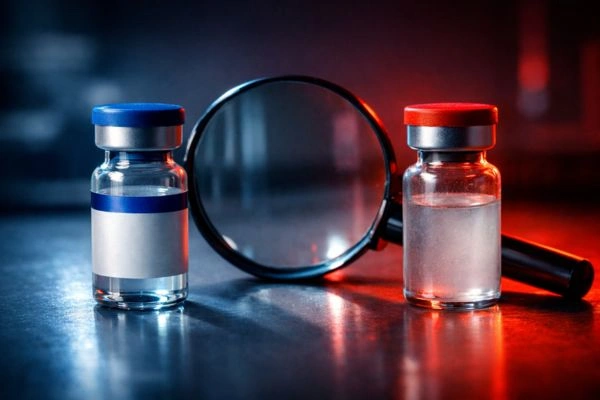
Red Flags: When to Walk Away from a Supplier
Evaluating COAs is also about identifying warning signs. Here are clear indicators that a supplier may not meet the standards required for legitimate research:
- No COA available. Any supplier that cannot provide a batch-specific COA on request should be disqualified. A generic or template COA that does not reference a specific lot number is equally unacceptable.
- Missing or incomplete analytical data. A COA that lists only a purity percentage without referencing the testing method, instrument parameters, or supporting chromatographic data is insufficient for research purposes.
- No third-party verification. While in-house testing is standard, reputable suppliers also submit samples to independent, ISO 17025-accredited laboratories for verification. Ask whether third-party testing reports are available.
- Unrealistic purity claims. A reported purity of 99.99% without supporting chromatographic evidence should be treated with skepticism. Legitimate HPLC analysis of synthetic peptides almost always reveals trace impurities, and an honest COA will reflect this.
- No batch traceability. Every COA should be linked to a specific lot or batch number. This number should also appear on the product label and correspond to the supplier’s internal records. Without batch traceability, there is no way to verify that the COA matches the product you received.
- Therapeutic or clinical claims. Any supplier marketing BPC 157 with language suggesting therapeutic benefits, clinical outcomes, or suitability for human use is not operating within the boundaries of current regulatory frameworks. Research-grade peptide suppliers should market their products exclusively for laboratory and academic research use.
The Role of Third-Party Testing
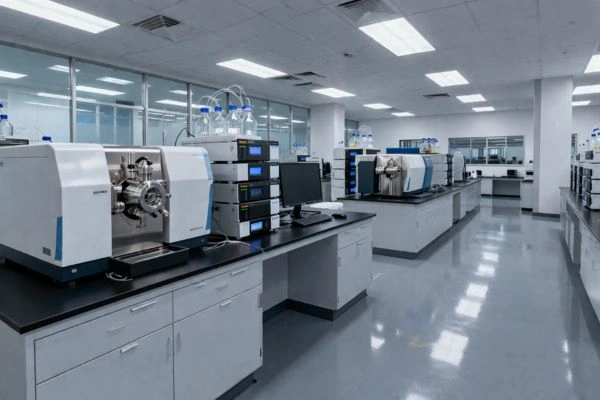
Independent, third-party laboratory testing adds an essential layer of accountability to the peptide supply chain. While manufacturers routinely test their own products, third-party verification eliminates potential conflicts of interest and provides an unbiased confirmation of product quality.
When evaluating a supplier, ask the following questions:
- Does the supplier use an ISO 17025-accredited laboratory for independent testing?
- Are third-party test results available for each batch, or only upon special request?
- Does the third-party lab test for the full panel (identity, purity, solvents, endotoxins, water content), or only a subset?
Suppliers who invest in comprehensive third-party testing demonstrate a commitment to transparency and quality that aligns with the expectations of professional research institutions.
Storage and Stability Considerations
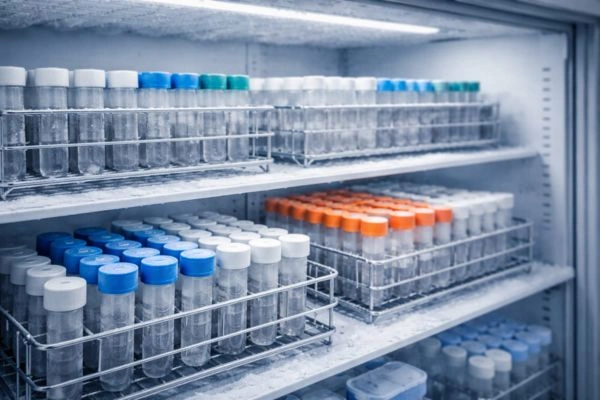
Even with a perfect COA at the time of purchase, the quality of BPC 157 can degrade if the product is not handled and stored correctly. Look for the following storage guidance from your supplier:
- Lyophilized BPC 157 should be stored at -20°C or below for long-term stability.
- Reconstituted solutions should be stored at 2 to 8°C and used within a short timeframe, as peptides in solution are more susceptible to degradation.
- The product should be shipped with appropriate cold-chain packaging, especially during warm months.
Some suppliers also provide stability data or reference shelf-life studies. While not always included on the COA itself, this information is valuable for researchers planning long-duration studies.

Regulatory Context: Understanding the Legal Landscape
BPC 157 is classified as a research chemical. It is not approved by the U.S. Food and Drug Administration (FDA) for any therapeutic, diagnostic, or clinical use. It is not a dietary supplement, and it is not authorized for human or animal consumption.
Researchers and institutions purchasing BPC 157 must ensure compliance with all applicable federal, state, and local regulations governing the acquisition, storage, handling, and disposal of research chemicals. Institutional review boards (IRBs) and institutional animal care and use committees (IACUCs) may have additional requirements for studies involving synthetic peptides.
Suppliers of BPC 157 bear a responsibility to market and sell their products in a manner consistent with these regulatory boundaries. Legitimate suppliers will clearly label their products as “For Research Use Only” and will not make claims regarding therapeutic efficacy, disease treatment, or health benefits.

Actionable Checklist: Evaluating a BPC 157 COA
Use this checklist before finalizing any purchase of BPC 157 for your laboratory:
Identity Confirmation
- The peptide name and sequence are listed correctly
- Molecular formula and molecular weight are accurate
- Mass spectrometry data referenced or included
Purity
- HPLC purity of 98% or higher
- Chromatogram available or accessible on request
- Testing method and conditions specified
Impurity Profile
- Residual solvent analysis performed (ICH Q3C reference)
- Counterion form specified (TFA, acetate, or free acid)
- Related peptide impurities identified and quantified
Biological Safety
- Endotoxin testing (LAL method) with results below 0.5 EU/mg
- Bioburden testing performed (if applicable to your research)
Composition
- Water content reported (Karl Fischer method)
- Net peptide content reported
- Amino acid analysis available
Traceability and Transparency
- Batch or lot number clearly stated
- COA is batch-specific, not generic
- Third-party testing available
- The supplier provides storage and handling instructions
Conclusion
Securing high-purity BPC 157 for laboratory research starts with a rigorous evaluation of the Certificate of Analysis. Every data point on that document, from HPLC purity and mass spectrometry confirmation to residual solvent levels and net peptide content, directly influences the reliability of your experimental outcomes. Treat the COA as a non-negotiable checkpoint, not a formality. Cross-reference batch numbers, request chromatograms, and verify results through independent third-party laboratories whenever possible. Walk away from any supplier that cannot meet these standards. By applying the framework and checklist outlined in this guide, researchers can systematically reduce the risk of compromised materials entering their workflows, protect the integrity of their data, and make the most responsible use of institutional resources. Informed sourcing decisions today lay the groundwork for reproducible, credible science tomorrow.
Disclaimer: BPC 157 is sold strictly for research purposes only. It is not intended for human consumption, therapeutic use, or diagnostic purposes. The information provided in this article is for educational and informational purposes only and should not be construed as medical advice, a recommendation for treatment, or an endorsement of any specific use. All research must be conducted in compliance with applicable federal, state, and local regulations.
Frequently Asked Questions
What minimum HPLC purity level should I require when purchasing BPC 157 for research?
Target a purity of 98% or higher as confirmed by reverse-phase HPLC. Purity below 95% suggests inadequate synthesis or purification and can introduce impurities that compromise dose-response accuracy and data reproducibility. Always request the accompanying chromatogram to verify the reported figure independently.
Why does net peptide content matter if the COA already reports high purity?
Purity and net peptide content measure different things. Purity reflects the proportion of the peptide fraction that is the correct sequence, while net peptide content accounts for the total weight contribution of counterions, water, and salts. Overlooking this value, which typically ranges from 60% to 85%, can lead to significant concentration miscalculations in your experimental protocols.
How can I confirm that a supplier’s COA is trustworthy?
Verify that the COA is tied to a specific batch or lot number matching your product label, references defined testing methodologies, and includes quantitative data rather than vague claims. Then ask whether the supplier submits samples to an ISO 17025-accredited third-party laboratory. Independent verification eliminates conflicts of interest and provides the strongest assurance of accuracy.
What storage conditions should I maintain to preserve BPC 157 quality after purchase?
Store lyophilized BPC 157 at -20°C or below for long-term stability. Once reconstituted, keep the solution refrigerated at 2–8°C and use it within a short timeframe, as peptides degrade faster in solution. Ensure your supplier ships with cold-chain packaging, particularly during warmer months, to prevent transit-related degradation.
Is BPC 157 approved for therapeutic or clinical use?
No. BPC 157 is classified strictly as a research chemical. It has not been approved by the FDA for any therapeutic, diagnostic, or clinical application and is not authorized for human or animal consumption. Researchers must ensure full compliance with federal, state, and institutional regulations when acquiring and handling this peptide. Avoid any supplier that markets BPC 157 with health or treatment claims.